
Are VPNs Proxy Servers?
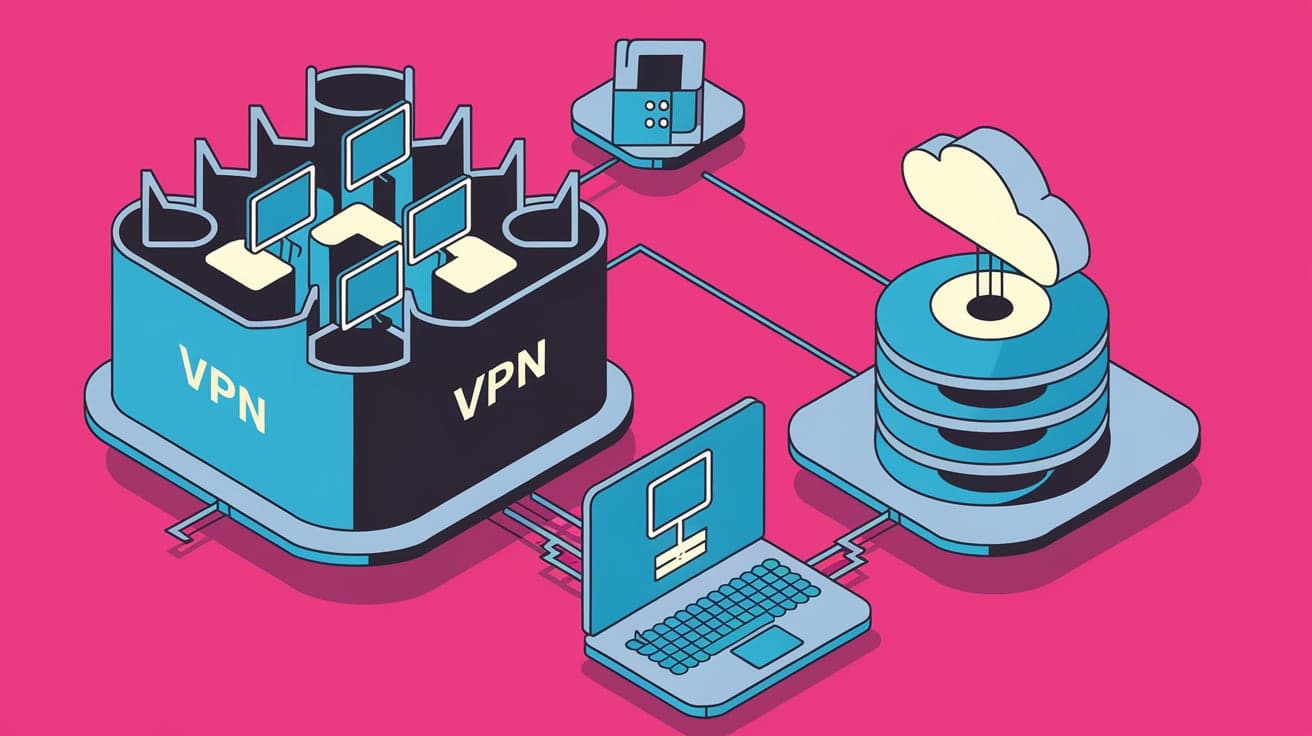
If you’ve ever searched for ways to protect your online privacy or bypass internet restrictions, you’ve likely come across both VPNs and proxy servers. These tools often get mentioned together, which might make you wonder: are VPNs and proxy servers the same thing? While they share similarities in masking your IP address and redirecting traffic, they work differently and serve distinct purposes.
In this article, I’ll explain the difference between VPNs and proxy servers, how they work, and when you should use each. By the end, you’ll clearly understand which one is right for your needs and why they aren’t interchangeable.
What Are VPNs?
A Virtual Private Network (VPN) is a service that creates a secure, encrypted connection between your device and the internet. It hides your IP address and encrypts all the data you send and receive, offering both privacy and security.
How a VPN Works
When you use a VPN, your internet traffic is routed through a remote server operated by the VPN provider. This server masks your real IP address and replaces it with one from a different location, making it appear as if you’re browsing from somewhere else.
Benefits of VPNs
Privacy: Encrypts your traffic, preventing ISPs, hackers, or governments from spying on your activity.
Access to Geo-Restricted Content: Lets you bypass region-based restrictions, such as streaming services or websites.
Secure Public Wi-Fi: Protects your data on unsecured networks, like coffee shop Wi-Fi.
What Are Proxy Servers?
A proxy server is an intermediary between your device and the internet. It reroutes your requests through a different server, masking your IP address and making it appear as if you’re connecting from the proxy’s location.
How a Proxy Server Works
When you use a proxy, your traffic goes through the proxy server before reaching the destination website. The server forwards the data back and forth while hiding your original IP address.
Types of Proxy Servers
HTTP Proxies: Handle web traffic and are ideal for bypassing website restrictions.
SOCKS5 Proxies: More versatile and can handle non-web traffic, like gaming or torrenting.
Transparent Proxies: Often used by schools or businesses to monitor and filter traffic.
Are VPNs and Proxy Servers the Same?
No, VPNs and proxy servers are not the same. While they both redirect your traffic and mask your IP address, they differ in functionality, security, and use cases.
Key Differences Between VPNs and Proxy Servers
| Feature | VPNs | Proxy Servers |
| Encryption | Encrypts all traffic end-to-end | No encryption (unless using HTTPS proxies) |
| Speed | Slower due to encryption | Faster since there’s no encryption |
| Privacy | High level of privacy | Basic IP masking, no added privacy |
| Applications | Works for all internet activity | Limited to specific apps or browsers |
| Setup Complexity | Easy (app-based setup) | Manual configuration required |
When to Use a VPN
VPNs are the better choice when privacy and security are your main concerns. Here’s when you should consider using a VPN:
1. Securing Sensitive Data
If you’re handling sensitive information like banking details or work emails, a VPN’s encryption ensures no one can intercept your data.
2. Accessing Blocked Content
VPNs help you bypass restrictions on streaming platforms, such as Netflix, Hulu, or BBC iPlayer, by letting you connect through servers in different countries.
3. Protecting Public Wi-Fi Usage
When you’re on an unsecured Wi-Fi network, hackers can easily intercept your data. A VPN encrypts your traffic, making it unreadable.
4. Preventing ISP Tracking
Your internet service provider (ISP) can log your browsing habits. A VPN hides your activity, giving you better privacy.
When to Use a Proxy Server
Proxy servers are ideal for lightweight tasks that don’t require full encryption. Here’s when to use a proxy server:
1. Bypassing Website Restrictions
If you’re trying to access a website blocked in your region or by your workplace, a proxy server can get you through quickly.
2. Streaming or Gaming
For activities where speed matters more than security, like streaming or gaming, proxies can provide a faster connection since they don’t encrypt your traffic.
3. Web Scraping or Automation
Proxies are often used for web scraping or automation tasks because they can rotate IP addresses, preventing detection and bans.
Should You Use a VPN, Proxy Server, or Both?
Your choice depends on your specific needs. Here’s a quick guide to help you decide:
Use a VPN If:
You prioritize security and privacy.
You need protection on public Wi-Fi.
You want to access geo-restricted content.
Use a Proxy Server If:
You only need to mask your IP address.
You’re doing low-security tasks like web scraping or bypassing simple restrictions.
You need faster speeds for gaming or streaming.
Use Both If:
For advanced users, combining a VPN and proxy server can provide the best of both worlds. For example:
Use a VPN for encrypted traffic and privacy.
Add a proxy server to route certain applications separately.
Security Risks of VPNs and Proxy Servers
Both VPNs and proxy servers have potential security risks:
Risks of VPNs
Untrustworthy Providers: Free VPNs may log your activity or sell your data.
Speed Reduction: Encryption can slow down your connection.
Blocked VPN Servers: Some websites block known VPN IP addresses.
Risks of Proxy Servers
Lack of Encryption: Data sent through a proxy is not secure.
Logging: Many free proxies log your activity.
Unreliable Servers: Free proxies can be slow or frequently unavailable.
Conclusion
VPNs and proxy servers are powerful tools for protecting your online presence, but they’re not the same. VPNs offer robust security and privacy by encrypting all your traffic, while proxy servers provide lightweight IP masking for specific tasks. Your choice depends on your needs—whether it’s privacy, bypassing restrictions, or enhancing speed.
By understanding the strengths and limitations of both, you can make an informed decision and use these tools effectively. For sensitive tasks, a VPN is your best bet. For lightweight or specific use cases, proxies can be a quick solution.
FAQs
Are VPNs better than proxy servers?
VPNs are better for privacy and security because they encrypt all your traffic. Proxies are faster but don’t offer encryption.
Can I use a proxy server and VPN together?
Yes, using both can provide added flexibility. For example, route specific apps through a proxy while using a VPN for overall encryption.
Are free VPNs and proxies safe?
Free VPNs and proxies often come with risks like data logging or unreliable performance. Paid services are generally more secure.
Do proxies work for all applications?
No, proxies typically work for specific applications or browsers. VPNs cover all internet activity on your device.
Which is faster: VPN or proxy server?
Proxies are faster because they don’t encrypt your data. VPNs may slow your connection slightly due to encryption overhead.




