
What is Web Proxy Security
Introduction
When you browse the internet, your data can be exposed to many risks. Web proxy security helps protect your online activities by acting as a middleman between you and the websites you visit. It adds a layer of safety and privacy that many people overlook.
In this article, I’ll explain what web proxy security is, how it works, and why it’s important for both individuals and businesses. You’ll learn how proxies can keep your data safe and improve your browsing experience.
What is a Web Proxy?
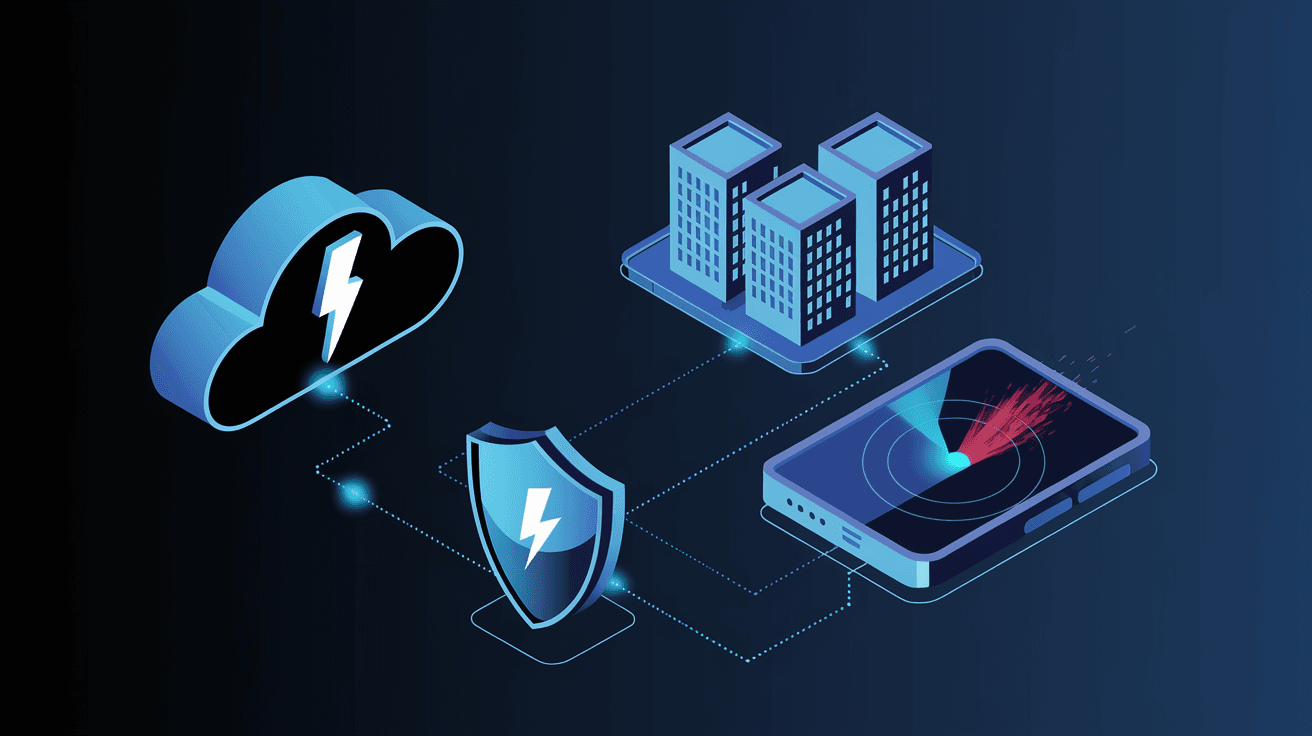
A web proxy is a server that sits between your device and the internet. When you use a proxy, your internet requests go through this server before reaching the website you want to visit.
- It hides your real IP address.
- It can filter content and block harmful websites.
- It can cache data to speed up browsing.
By acting as a gateway, a web proxy controls and monitors the data that passes through it. This makes it a useful tool for security and privacy.
How Does Web Proxy Security Work?
Web proxy security works by intercepting your internet traffic and applying rules to protect you. Here’s how it generally functions:
- Request Filtering: The proxy checks the websites you want to visit. If a site is known to be dangerous, the proxy blocks access.
- Data Encryption: Some proxies encrypt your data, making it harder for hackers to spy on your connection.
- Anonymity: By hiding your IP address, proxies prevent websites and attackers from tracking your location or identity.
- Malware Protection: Proxies can scan incoming data for viruses or malware before it reaches your device.
These features combine to create a safer browsing environment.
Types of Web Proxies and Their Security Features
There are several types of web proxies, each with different security benefits:
- Forward Proxy: Used by clients to access the internet anonymously. It hides your IP and can filter content.
- Reverse Proxy: Protects web servers by handling incoming requests and blocking malicious traffic.
- Transparent Proxy: Often used by organizations to monitor traffic without changing user experience.
- Anonymous Proxy: Focuses on hiding user identity but may not encrypt data.
- High Anonymity Proxy: Offers the strongest privacy by hiding both your IP and the fact that you’re using a proxy.
Choosing the right type depends on your security needs.
Benefits of Using Web Proxy Security
Using web proxy security offers many advantages:
- Improved Privacy: Your real IP address is hidden, reducing tracking.
- Access Control: Organizations can block harmful or inappropriate websites.
- Malware Defense: Proxies can block malicious content before it reaches you.
- Bandwidth Savings: Cached data reduces load times and saves bandwidth.
- Bypass Restrictions: Proxies help access geo-blocked or censored content safely.
These benefits make proxies valuable for both personal and professional use.
Common Security Risks Without a Web Proxy
Without web proxy security, you face several risks:
- Data Exposure: Your IP and browsing habits can be tracked by hackers or advertisers.
- Malware Attacks: Unsafe websites can deliver viruses directly to your device.
- Phishing: You may unknowingly visit fake sites designed to steal your information.
- Network Attacks: Direct connections can be exploited by cybercriminals.
- Restricted Access: You might be blocked from certain sites due to location or network policies.
A web proxy helps reduce these risks by controlling and protecting your internet traffic.
How Businesses Use Web Proxy Security
Businesses rely on web proxy security to protect their networks and employees:
- Content Filtering: Blocks access to harmful or distracting websites.
- Data Loss Prevention: Stops sensitive information from leaving the network.
- Threat Detection: Identifies and blocks malware or phishing attempts.
- User Monitoring: Tracks internet usage to enforce company policies.
- Secure Remote Access: Allows employees to connect safely from outside the office.
These uses help companies maintain security and productivity.
Setting Up Web Proxy Security for Personal Use
If you want to add web proxy security to your personal browsing, here are some steps:
- Choose a Reliable Proxy Service: Look for providers with strong privacy policies and encryption.
- Configure Your Device: Set up the proxy in your browser or operating system settings.
- Use HTTPS Proxies: Ensure your proxy supports secure connections.
- Combine with VPN: For extra security, use a VPN alongside your proxy.
- Regularly Update Settings: Keep your proxy and browser updated to avoid vulnerabilities.
Following these steps can improve your online safety.
Limitations of Web Proxy Security
While web proxies offer many benefits, they have some limitations:
- Not Full Encryption: Some proxies don’t encrypt all traffic, leaving data exposed.
- Speed Reduction: Routing traffic through a proxy can slow down your connection.
- Limited Protection: Proxies can’t protect against all cyber threats, like phishing emails.
- Trust Issues: You must trust the proxy provider not to log or misuse your data.
- Compatibility Problems: Some websites block proxy traffic or don’t work well with proxies.
Understanding these limits helps you use proxies wisely.
Future Trends in Web Proxy Security
Web proxy security is evolving with new technologies:
- AI-Powered Filtering: Artificial intelligence improves detection of malicious sites.
- Integration with Zero Trust: Proxies become part of zero trust security models.
- Cloud-Based Proxies: More proxies move to the cloud for scalability and flexibility.
- Enhanced Encryption: Stronger encryption standards protect data better.
- User Behavior Analytics: Proxies analyze user behavior to spot threats early.
These trends will make web proxy security more effective and user-friendly.
Conclusion
Web proxy security is a powerful tool to protect your online activities. By acting as a middleman, proxies hide your identity, block harmful content, and improve privacy. Whether you’re browsing at home or managing a business network, proxies add an important layer of defense.
While proxies have some limitations, their benefits in privacy, security, and access control are clear. As technology advances, web proxy security will continue to improve, helping you stay safe in an increasingly connected world.
FAQs
What is the main purpose of a web proxy?
A web proxy mainly hides your IP address and filters internet traffic. It acts as a middleman to protect your privacy and block harmful websites.
Can web proxies protect against all cyber threats?
No, proxies help block unsafe websites and hide your identity but don’t protect against all threats like phishing emails or malware from downloads.
How does a reverse proxy improve security?
A reverse proxy protects web servers by filtering incoming traffic, blocking attacks, and distributing load to prevent downtime.
Are free web proxies safe to use?
Free proxies may lack strong security and can log your data. It’s safer to use trusted paid services with clear privacy policies.
Can I use a web proxy with a VPN?
Yes, combining a web proxy with a VPN adds extra layers of encryption and privacy for better online security.




