
What is Web Proxy Gateway
Introduction
You might have heard the term "web proxy gateway" and wondered what it really means. In simple terms, a web proxy gateway acts as a middleman between your device and the internet. It helps manage and control your web traffic, making your online experience safer and more efficient.
In this article, I’ll explain what a web proxy gateway is, how it works, and why it’s important for businesses and individuals. By the end, you’ll understand how this technology can protect your privacy, improve security, and even speed up your internet connection.
What is a Web Proxy Gateway?
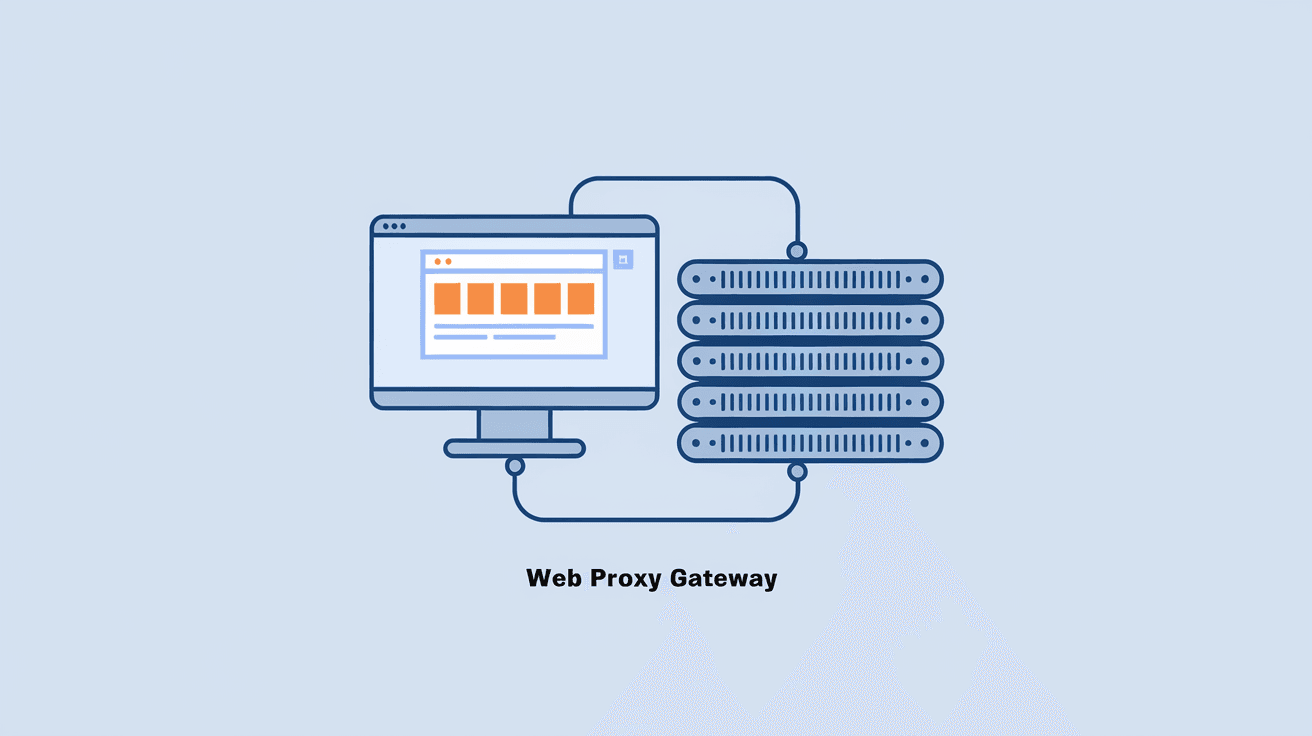
A web proxy gateway is a server or software that sits between your computer and the internet. When you request a website, your request goes through the proxy gateway first. The gateway then forwards your request to the website and sends the response back to you.
This setup offers several benefits:
- Privacy: It hides your IP address from the websites you visit.
- Security: It can block harmful websites and filter content.
- Control: Organizations can monitor and restrict internet use.
- Performance: It can cache frequently visited websites to speed up access.
Think of it as a gatekeeper that controls and protects your internet traffic.
How Does a Web Proxy Gateway Work?
When you use a web proxy gateway, your internet requests don’t go directly to the website. Instead, they pass through the proxy, which acts on your behalf. Here’s a simple breakdown:
- Request: You type a website address or click a link.
- Forwarding: The proxy gateway receives your request.
- Filtering: It checks the request against rules (like blocking harmful sites).
- Fetching: The proxy sends the request to the website.
- Response: The website sends data back to the proxy.
- Delivery: The proxy forwards the data to your device.
This process happens quickly, so you don’t notice any delay.
Types of Web Proxy Gateways
There are different types of web proxy gateways, each serving specific purposes:
- Forward Proxy: Used by clients to access the internet through a proxy server.
- Reverse Proxy: Used by web servers to handle incoming traffic and improve security.
- Transparent Proxy: Intercepts traffic without requiring user configuration.
- Anonymous Proxy: Hides user identity but may reveal that a proxy is used.
- High Anonymity Proxy: Completely hides user identity and proxy usage.
Each type offers different levels of privacy and control.
Why Do Businesses Use Web Proxy Gateways?
Businesses rely on web proxy gateways for several reasons. They help protect company data, enforce internet policies, and improve network performance.
Security and Threat Protection
- Malware Blocking: Proxy gateways can block access to malicious websites.
- Data Loss Prevention: They monitor outgoing traffic to prevent sensitive data leaks.
- Access Control: Companies can restrict access to certain websites or content categories.
Monitoring and Compliance
- User Activity Logs: Proxy gateways keep records of internet use for audits.
- Policy Enforcement: They ensure employees follow company internet policies.
- Regulatory Compliance: Help businesses meet legal requirements for data security.
Performance Optimization
- Caching: Stores copies of frequently accessed websites to reduce load times.
- Bandwidth Management: Controls how much bandwidth users consume.
- Load Balancing: Distributes traffic evenly across servers to prevent overload.
How Does a Web Proxy Gateway Enhance Privacy?
When you browse the internet without a proxy, websites see your real IP address, which can reveal your location and identity. A web proxy gateway masks this information by acting as an intermediary.
Benefits for Privacy
- IP Masking: Your real IP is hidden, replaced by the proxy’s IP.
- Anonymity: Some proxies remove identifying headers from your requests.
- Encryption: Many proxy gateways use HTTPS to encrypt data between you and the proxy.
This makes it harder for websites, advertisers, or hackers to track your online activities.
Setting Up a Web Proxy Gateway
Setting up a web proxy gateway depends on your needs and technical skills. Here are the basic steps:
- Choose a Proxy Solution: Options include hardware appliances, cloud services, or software.
- Install and Configure: Set up the proxy server with rules for filtering, caching, and access control.
- Redirect Traffic: Configure devices or networks to send internet traffic through the proxy.
- Test and Monitor: Ensure the proxy works correctly and monitor its performance.
Many businesses use managed proxy services to simplify setup and maintenance.
Common Use Cases for Web Proxy Gateways
Web proxy gateways are versatile tools used in various scenarios:
- Corporate Networks: Control employee internet access and protect against threats.
- Schools and Libraries: Filter inappropriate content and monitor usage.
- Public Wi-Fi: Secure connections and prevent malicious activity.
- Personal Privacy: Individuals use proxies to browse anonymously or bypass geo-restrictions.
Challenges and Limitations of Web Proxy Gateways
While web proxy gateways offer many benefits, they also have some drawbacks:
- Latency: Adding a proxy can sometimes slow down internet speed.
- Complexity: Setting up and managing proxies requires technical knowledge.
- Bypass Risks: Skilled users may find ways to bypass proxy restrictions.
- Privacy Concerns: Some proxies log user data, which can be a privacy risk.
Understanding these limitations helps you decide if a proxy gateway is right for you.
Future Trends in Web Proxy Gateways
The role of web proxy gateways is evolving with new technology trends:
- AI-Powered Filtering: Using artificial intelligence to detect threats and inappropriate content more accurately.
- Cloud-Based Proxies: More businesses are moving to cloud proxy services for scalability and ease of management.
- Zero Trust Security: Proxy gateways are becoming key components in zero trust network architectures.
- Integration with VPNs: Combining proxy gateways with VPNs for enhanced privacy and security.
These trends show that web proxy gateways will remain important in internet security and management.
Conclusion
A web proxy gateway is a powerful tool that helps you control, secure, and optimize your internet traffic. Whether you’re a business protecting sensitive data or an individual seeking privacy, a proxy gateway offers many benefits.
By acting as a middleman, it hides your identity, blocks harmful content, and improves browsing speed. While there are some challenges, the advantages often outweigh them. As technology advances, web proxy gateways will continue to play a vital role in safe and efficient internet use.
FAQs
What is the difference between a web proxy gateway and a VPN?
A web proxy gateway routes your web traffic through a server to filter and control access, while a VPN encrypts all your internet traffic and hides your IP address for privacy and security.
Can a web proxy gateway improve internet speed?
Yes, by caching frequently visited websites, a proxy gateway can reduce load times and save bandwidth, which often results in faster browsing.
Are web proxy gateways safe to use?
Generally, yes. They add a layer of security by filtering harmful sites and hiding your IP. However, trustworthiness depends on the proxy provider and configuration.
Can I use a web proxy gateway to access blocked websites?
Yes, proxy gateways can bypass certain restrictions by routing your traffic through different servers, but some advanced blocks may still prevent access.
Do web proxy gateways log my internet activity?
Many proxy gateways keep logs for monitoring and security purposes. It’s important to check the privacy policy of the proxy service you use.




