
What is Vulnerability Prioritization Engine
Introduction
When you think about cybersecurity, you might picture firewalls or antivirus software. But one of the most important tools today is a Vulnerability Prioritization Engine. This technology helps you focus on the most critical security risks first, saving time and resources.
In this article, I’ll explain what a Vulnerability Prioritization Engine is, why it matters, and how it works. You’ll also learn how it fits into your overall security strategy and what benefits it brings to your organization.
What is a Vulnerability Prioritization Engine?
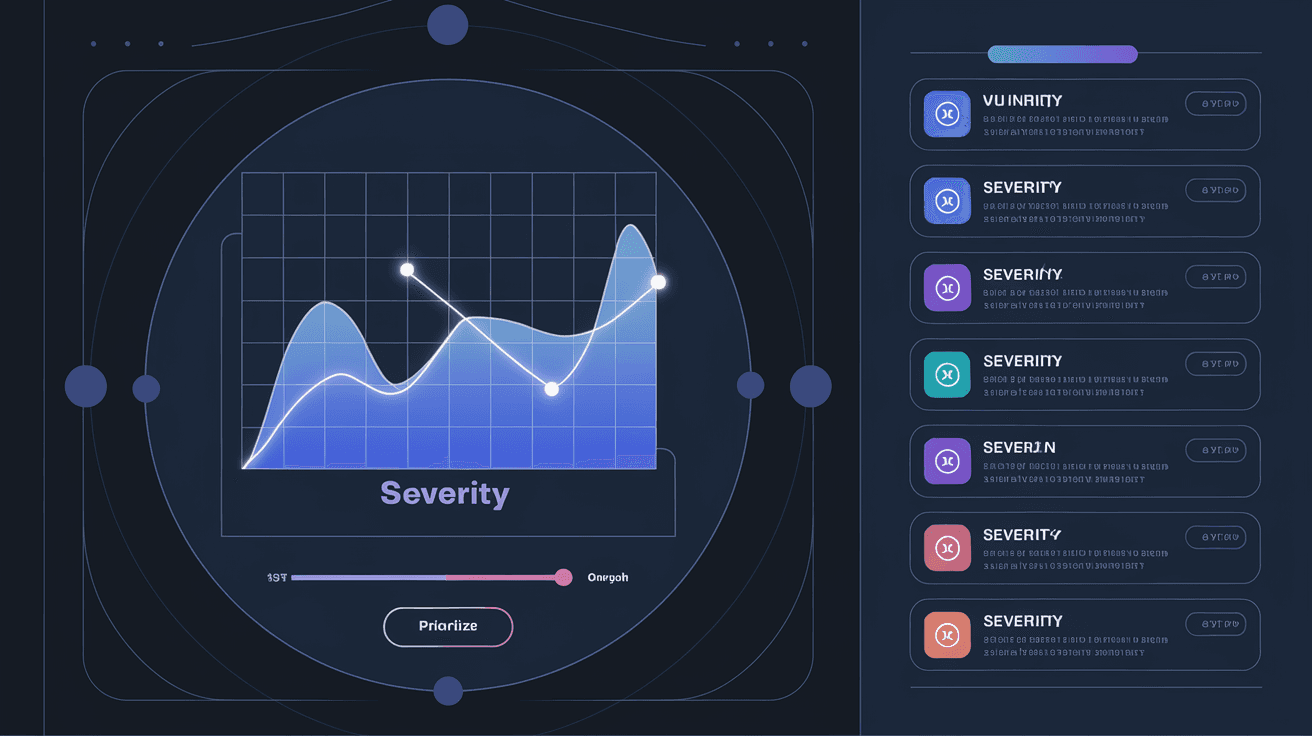
A Vulnerability Prioritization Engine is a software tool designed to help organizations manage security vulnerabilities more effectively. Instead of treating all vulnerabilities equally, it ranks them based on risk and impact. This way, you can focus on fixing the most dangerous issues first.
How It Works
- Data Collection: It gathers information from vulnerability scanners, threat intelligence feeds, and asset inventories.
- Risk Analysis: The engine evaluates each vulnerability’s severity, exploitability, and potential impact on your systems.
- Prioritization: It assigns a score or rank to vulnerabilities, highlighting which ones need immediate attention.
- Actionable Insights: Provides recommendations on how to address the highest risks.
This approach helps security teams avoid being overwhelmed by thousands of vulnerabilities and focus on what really matters.
Why Vulnerability Prioritization is Important
In today’s digital world, organizations face thousands of vulnerabilities daily. Without prioritization, it’s nearly impossible to fix them all quickly. Here’s why prioritization is crucial:
- Resource Optimization: Security teams have limited time and staff. Prioritization ensures they work on the most critical issues first.
- Reduced Risk: Fixing high-risk vulnerabilities lowers the chance of a successful cyberattack.
- Improved Compliance: Many regulations require organizations to manage vulnerabilities effectively.
- Faster Response: Prioritization engines speed up decision-making during security incidents.
By focusing on the right vulnerabilities, you protect your business better and avoid wasting effort on low-risk problems.
Key Features of a Vulnerability Prioritization Engine
Understanding the main features can help you see how these engines improve security workflows.
1. Integration with Security Tools
- Connects with scanners like Nessus, Qualys, or Rapid7.
- Pulls data from threat intelligence platforms.
- Syncs with asset management systems to understand what’s at risk.
2. Risk Scoring Models
- Uses Common Vulnerability Scoring System (CVSS) as a base.
- Enhances scores with real-world exploit data.
- Considers business context, such as asset criticality.
3. Automated Prioritization
- Automatically ranks vulnerabilities.
- Updates rankings as new information arrives.
- Flags zero-day exploits or active threats.
4. Reporting and Dashboards
- Visualizes vulnerability trends.
- Shows progress on remediation efforts.
- Provides tailored reports for different teams.
5. Remediation Guidance
- Suggests specific fixes or patches.
- Links to vendor advisories.
- Helps plan patch deployment schedules.
How Does a Vulnerability Prioritization Engine Fit Into Your Security Strategy?
A Vulnerability Prioritization Engine is not a standalone solution. It works best as part of a broader vulnerability management program.
Step-by-Step Integration
- Asset Discovery: Know what devices and software you have.
- Vulnerability Scanning: Regularly scan your environment.
- Prioritization: Use the engine to rank vulnerabilities.
- Remediation: Fix high-priority issues first.
- Verification: Confirm vulnerabilities are resolved.
- Continuous Monitoring: Keep scanning and prioritizing.
This cycle helps maintain a strong security posture over time.
Benefits of Using a Vulnerability Prioritization Engine
Using this technology offers many advantages:
- Efficiency: Saves time by focusing on critical vulnerabilities.
- Accuracy: Reduces false positives by considering real risk factors.
- Proactive Defense: Detects emerging threats faster.
- Better Communication: Helps security teams explain risks to management.
- Cost Savings: Avoids unnecessary patching and downtime.
Organizations that adopt prioritization engines often see fewer breaches and faster incident response.
Challenges and Considerations
While Vulnerability Prioritization Engines are powerful, there are some challenges to keep in mind:
- Data Quality: Poor or incomplete data can lead to wrong priorities.
- Complex Environments: Large networks with many assets require careful configuration.
- Skill Requirements: Teams need training to interpret and act on engine outputs.
- Integration Effort: Connecting multiple tools can be time-consuming.
- Constant Updates: Threat landscapes change rapidly, so engines must be updated regularly.
Planning and ongoing management are key to success.
Examples of Popular Vulnerability Prioritization Engines
Several vendors offer solutions with prioritization capabilities. Here are a few well-known examples:
| Vendor | Key Features | Suitable For |
| Tenable.io | Real-time risk scoring, asset context | Enterprises of all sizes |
| Qualys VMDR | Integrated scanning and prioritization | Mid to large organizations |
| Rapid7 InsightVM | Dynamic prioritization, exploit data | Security teams needing agility |
| Kenna Security | AI-driven risk analysis, threat feeds | Organizations focused on automation |
Choosing the right engine depends on your environment, budget, and security goals.
How to Choose the Right Vulnerability Prioritization Engine
When selecting a tool, consider these factors:
- Integration: Does it work with your existing scanners and tools?
- Scoring Accuracy: How does it calculate risk scores?
- User Interface: Is it easy to use and understand?
- Customization: Can you tailor prioritization based on your business needs?
- Support and Updates: Does the vendor provide regular updates and help?
Testing a demo or trial version can help you evaluate these aspects before committing.
Future Trends in Vulnerability Prioritization Engines
The field is evolving quickly. Here’s what to expect:
- AI and Machine Learning: More engines will use AI to predict exploit likelihood.
- Cloud Integration: Better support for cloud-native environments and containers.
- Automated Remediation: Engines will suggest or even apply fixes automatically.
- Threat Intelligence Expansion: More real-time data from global sources.
- User Behavior Analytics: Combining vulnerability data with user activity for deeper insights.
Staying updated on these trends will keep your security strategy ahead of threats.
Conclusion
A Vulnerability Prioritization Engine is a vital tool for managing cybersecurity risks efficiently. It helps you focus on the most dangerous vulnerabilities first, saving time and reducing the chance of attacks. By integrating it into your security program, you can improve your defenses and respond faster to threats.
Choosing the right engine and understanding its features will empower your security team. As threats evolve, these engines will become even more important in protecting your digital assets. If you want to stay secure, prioritizing vulnerabilities is a smart step you can’t afford to skip.
FAQs
What is the main purpose of a Vulnerability Prioritization Engine?
Its main purpose is to rank security vulnerabilities based on risk, helping organizations focus on fixing the most critical issues first.
How does a Vulnerability Prioritization Engine differ from a vulnerability scanner?
A scanner detects vulnerabilities, while a prioritization engine analyzes and ranks them by risk to guide remediation efforts.
Can a Vulnerability Prioritization Engine work with multiple security tools?
Yes, most engines integrate with various scanners, threat feeds, and asset management systems for comprehensive data.
Is AI used in Vulnerability Prioritization Engines?
Many modern engines use AI and machine learning to improve risk scoring and predict exploit likelihood.
How often should vulnerabilities be prioritized?
Vulnerabilities should be prioritized continuously, especially after scans or when new threats emerge, to maintain strong security.




