
What is Vulnerability Management
Introduction
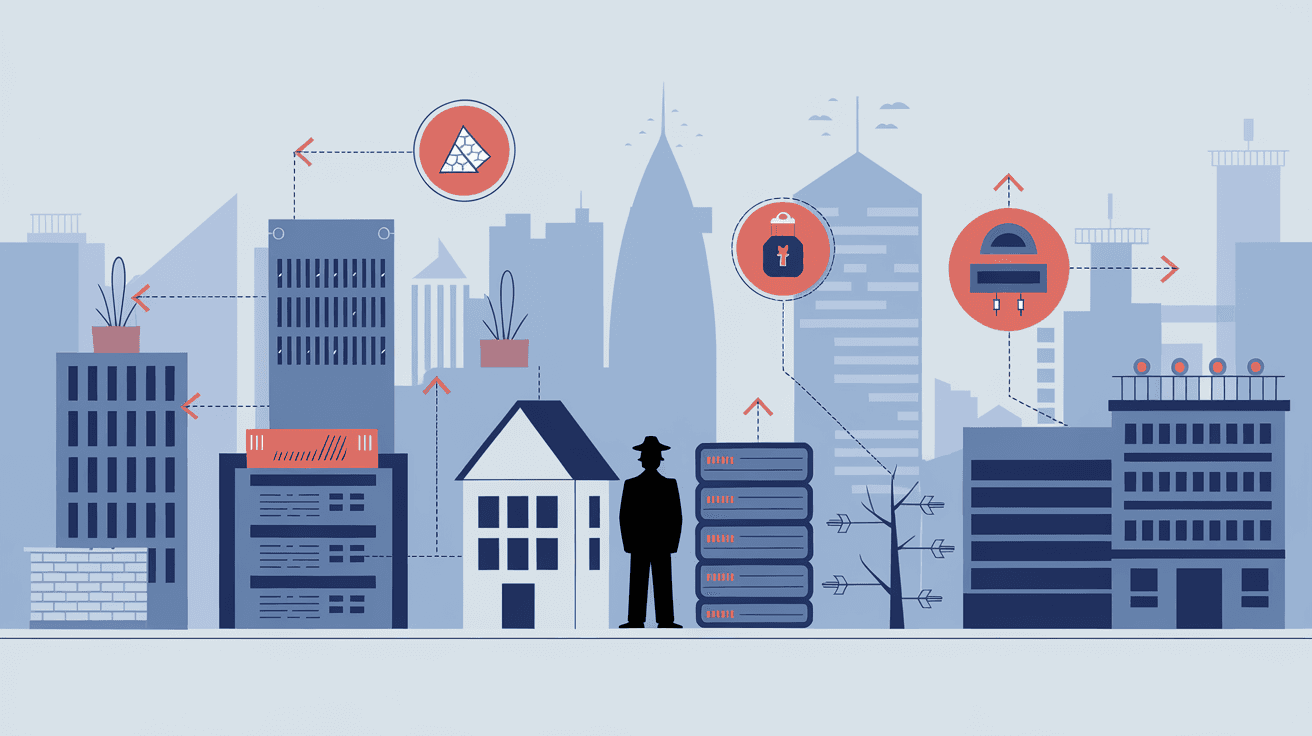
You might have heard the term "vulnerability management" thrown around in cybersecurity conversations. But what exactly does it mean, and why should you care? Vulnerability management is a critical process that helps organizations find and fix security weaknesses before attackers can exploit them.
In this article, I’ll walk you through what vulnerability management is, why it’s essential, and how you can implement it effectively. Whether you’re a business owner, IT professional, or just curious, understanding this topic will help you protect your digital assets better.
What Is Vulnerability Management?
Vulnerability management is the ongoing process of identifying, evaluating, treating, and reporting security vulnerabilities in systems and software. It’s not a one-time fix but a continuous cycle that helps keep your organization’s technology safe.
Here’s what it involves:
- Identification: Scanning systems to find vulnerabilities.
- Evaluation: Assessing the risk level of each vulnerability.
- Treatment: Fixing or mitigating the vulnerabilities.
- Reporting: Documenting the process and results for accountability.
This process helps reduce the chances of cyberattacks by addressing weaknesses before hackers find them.
Why Is Vulnerability Management Important?
You might wonder why vulnerability management matters so much. The truth is, cyber threats are growing every day. Hackers constantly look for weak spots in software, networks, and devices to steal data or cause damage.
Here’s why managing vulnerabilities is crucial:
- Protects Sensitive Data: Prevents breaches that could expose personal or financial information.
- Maintains Business Continuity: Avoids downtime caused by cyberattacks.
- Meets Compliance Requirements: Helps organizations follow laws like GDPR or HIPAA.
- Builds Customer Trust: Shows that you take security seriously.
Without vulnerability management, your organization is like a house with unlocked doors and windows, inviting trouble.
The Vulnerability Management Lifecycle
Understanding the lifecycle helps you see how vulnerability management works step-by-step. It’s a cycle that repeats regularly to keep up with new threats.
1. Asset Discovery
Before you can protect anything, you need to know what you have. Asset discovery means identifying all hardware, software, and network components in your environment.
- Use automated tools to scan your network.
- Keep an updated inventory of devices and applications.
- Include cloud services and mobile devices.
2. Vulnerability Scanning
This step involves using specialized software to scan your assets for known vulnerabilities. These tools compare your systems against databases of known security flaws.
- Schedule regular scans to catch new vulnerabilities.
- Use both authenticated (logged-in) and unauthenticated scans.
- Scan different parts of your network, including endpoints and servers.
3. Risk Assessment
Not all vulnerabilities are equally dangerous. Risk assessment helps prioritize which ones to fix first based on factors like:
- Severity of the vulnerability (e.g., critical, high, medium, low).
- Potential impact on your business.
- Exploit availability (whether hackers can easily use it).
- Exposure level (internal vs. external threats).
4. Remediation
Once you know which vulnerabilities to address, remediation is the process of fixing them. This can include:
- Applying software patches or updates.
- Changing configurations to close security gaps.
- Removing unnecessary services or software.
- Implementing compensating controls if immediate fixes aren’t possible.
5. Reporting and Monitoring
Finally, documenting what you’ve done and monitoring your environment helps track progress and improve over time.
- Generate reports for management and compliance.
- Monitor for new vulnerabilities continuously.
- Adjust your vulnerability management strategy as needed.
Tools Used in Vulnerability Management
Many tools can help automate and improve vulnerability management. Here are some popular types:
- Vulnerability Scanners: Tools like Nessus, Qualys, and OpenVAS scan your systems for known issues.
- Patch Management Software: Helps deploy updates across your network efficiently.
- Configuration Management Tools: Ensure systems are set up securely.
- Threat Intelligence Platforms: Provide information about emerging vulnerabilities and exploits.
Choosing the right tools depends on your organization’s size, complexity, and budget.
Best Practices for Effective Vulnerability Management
To get the most out of vulnerability management, follow these best practices:
- Regular Scanning: Schedule scans weekly or monthly, depending on your risk level.
- Prioritize Fixes: Focus on critical vulnerabilities that pose the highest risk.
- Automate Where Possible: Use tools to reduce manual work and speed up response.
- Involve Stakeholders: Ensure IT, security teams, and management collaborate.
- Keep Software Updated: Patch promptly to close security gaps.
- Train Employees: Educate staff about security risks and safe practices.
- Document Everything: Maintain clear records for audits and improvement.
Challenges in Vulnerability Management
While vulnerability management is essential, it’s not without challenges. Here are some common obstacles:
- Volume of Vulnerabilities: Large organizations can find thousands of vulnerabilities, making prioritization tough.
- False Positives: Scanners sometimes report issues that aren’t real threats.
- Resource Constraints: Limited staff or budget can slow down remediation.
- Complex Environments: Cloud, IoT, and remote work add complexity.
- Keeping Up with New Threats: Cyber threats evolve rapidly, requiring constant vigilance.
Addressing these challenges requires a strategic approach and the right tools.
How Vulnerability Management Fits Into Cybersecurity
Vulnerability management is a key part of a broader cybersecurity strategy. It works alongside other practices like:
- Threat Detection: Identifying active attacks or suspicious behavior.
- Incident Response: Reacting quickly to security breaches.
- Access Control: Limiting who can access systems and data.
- Security Awareness Training: Teaching users to avoid risky behavior.
Together, these elements create a strong defense against cyber threats.
Real-World Examples of Vulnerability Management Success
Many organizations have improved their security posture through effective vulnerability management. For example:
- A healthcare provider reduced data breaches by 70% after implementing regular vulnerability scans and patching.
- A financial firm avoided costly downtime by prioritizing fixes based on risk assessments.
- A government agency improved compliance with strict regulations by documenting their vulnerability management process.
These examples show how vulnerability management can protect assets and save money.
Conclusion
Vulnerability management is a vital process that helps you find and fix security weaknesses before attackers exploit them. By following a clear lifecycle—discovering assets, scanning for vulnerabilities, assessing risks, remediating issues, and reporting—you can keep your organization safer.
Remember, vulnerability management isn’t a one-time task but an ongoing effort. With the right tools, best practices, and teamwork, you can reduce risks, protect sensitive data, and maintain trust with your customers and partners.
FAQs
What is the difference between vulnerability management and patch management?
Vulnerability management is a broader process that includes identifying, assessing, and fixing vulnerabilities. Patch management focuses specifically on applying software updates to fix security flaws.
How often should vulnerability scans be performed?
It depends on your organization’s risk level, but generally, scans should be done at least monthly. High-risk environments may require weekly or even daily scans.
Can vulnerability management prevent all cyberattacks?
No, it reduces risk by addressing known weaknesses but cannot prevent all attacks. It should be part of a comprehensive cybersecurity strategy.
What types of vulnerabilities are most critical to fix?
Critical and high-severity vulnerabilities that are easy to exploit and affect important systems should be prioritized first.
Are there automated tools for vulnerability management?
Yes, many tools automate scanning, risk assessment, and reporting, making the process faster and more efficient.




