What is Vulnerability Assessment Tool
Introduction
You might have heard about vulnerability assessment tools but wonder what they really are and why they matter. In today’s digital world, protecting your data and systems is more important than ever. These tools help you find weak spots before hackers do.
We’ll explore what a vulnerability assessment tool is, how it works, and why you should use one. By the end, you’ll understand how these tools keep your digital environment safer and help you stay ahead of cyber threats.
What is a Vulnerability Assessment Tool?
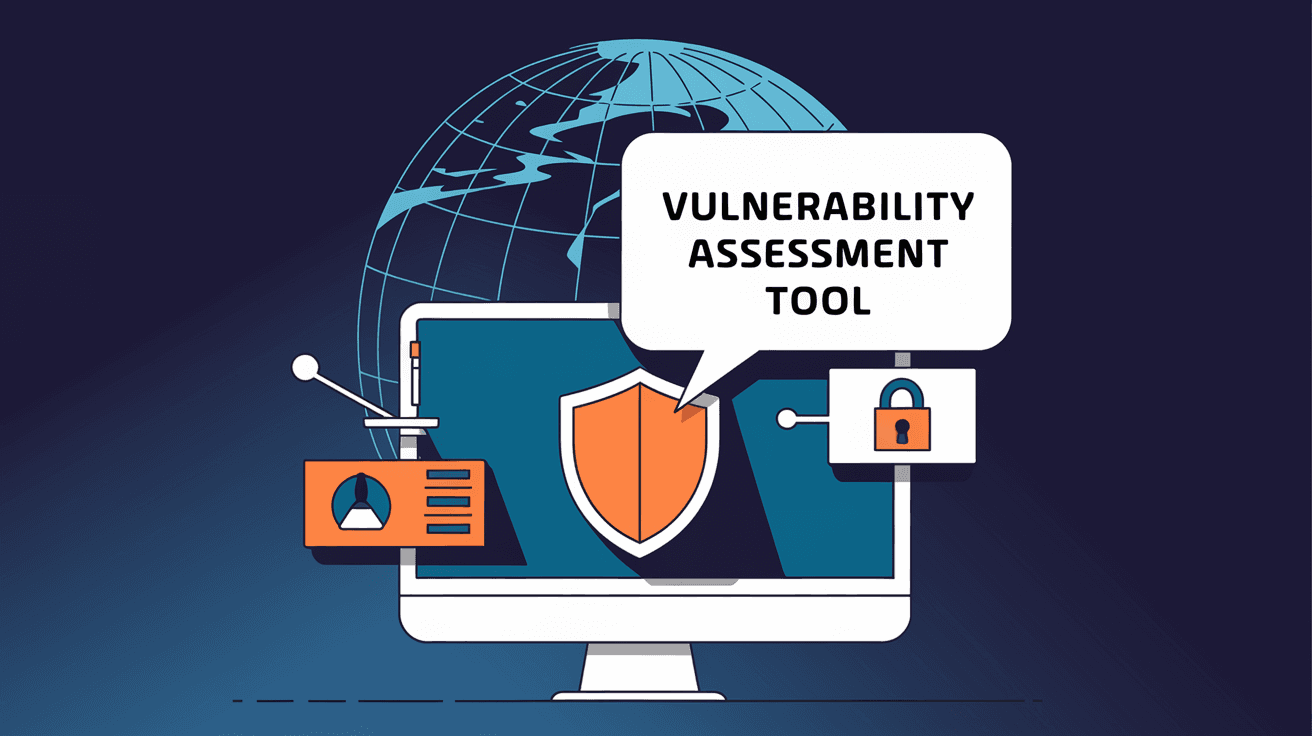
A vulnerability assessment tool is software designed to scan your computer systems, networks, or applications to find security weaknesses. These weaknesses, or vulnerabilities, could allow hackers to access your data or disrupt your services.
These tools help organizations identify risks early. They provide detailed reports on where the system is vulnerable and suggest ways to fix the issues. This process is crucial for maintaining strong cybersecurity defenses.
Key Features of Vulnerability Assessment Tools
- Automated Scanning: Quickly checks systems for known vulnerabilities.
- Risk Prioritization: Highlights the most critical issues to fix first.
- Reporting: Generates clear, actionable reports for IT teams.
- Integration: Works with other security tools for better protection.
- Regular Updates: Keeps up with new threats and vulnerabilities.
How Does a Vulnerability Assessment Tool Work?
These tools work by scanning your systems and comparing them against a database of known vulnerabilities. They look for outdated software, misconfigurations, weak passwords, and other security gaps.
The process usually involves these steps:
- Discovery: Identifies all devices and software on your network.
- Scanning: Checks each item for vulnerabilities.
- Analysis: Assesses the risk level of each vulnerability.
- Reporting: Provides a detailed report with recommendations.
- Remediation: Helps you fix the vulnerabilities found.
Types of Vulnerability Scans
- Network Scanning: Examines network devices and connections.
- Host Scanning: Focuses on individual computers or servers.
- Application Scanning: Checks web and mobile apps for security flaws.
- Database Scanning: Looks for vulnerabilities in databases.
Why Are Vulnerability Assessment Tools Important?
Using these tools is essential for protecting your business or personal data. Cyberattacks are becoming more frequent and sophisticated. Without regular assessments, you might not know where your system is weak.
Here’s why you should use a vulnerability assessment tool:
- Prevent Data Breaches: Find and fix weaknesses before attackers exploit them.
- Meet Compliance Requirements: Many regulations require regular vulnerability assessments.
- Save Money: Fixing vulnerabilities early is cheaper than dealing with a breach.
- Improve Security Posture: Understand your risks and strengthen defenses.
- Support Incident Response: Helps identify how an attacker might enter your system.
Popular Vulnerability Assessment Tools in 2026
Several tools are widely used today, each with unique strengths. Here are some popular options:
| Tool Name | Best For | Key Features |
| Nessus | Comprehensive scanning | Extensive vulnerability database, easy reporting |
| Qualys | Cloud and network security | Cloud-based, continuous monitoring |
| OpenVAS | Open-source users | Free, customizable, strong community support |
| Rapid7 Nexpose | Real-time risk assessment | Dynamic scanning, integrates with SIEM tools |
| Acunetix | Web application security | Automated web app scanning, detailed reports |
Choosing the right tool depends on your needs, budget, and technical expertise.
How to Choose the Right Vulnerability Assessment Tool
Picking the right tool can be tricky. Here are some factors to consider:
- Scope: Do you need to scan networks, applications, or both?
- Ease of Use: Is the tool user-friendly for your team?
- Frequency: Does it support continuous or scheduled scans?
- Integration: Can it work with your existing security systems?
- Cost: Does it fit your budget, including licensing and maintenance?
- Support and Updates: Does the vendor provide regular updates and good customer support?
Best Practices for Using Vulnerability Assessment Tools
To get the most out of these tools, follow these tips:
- Run Regular Scans: Schedule scans weekly or monthly depending on your risk level.
- Prioritize Fixes: Address high-risk vulnerabilities first.
- Keep Tools Updated: Always use the latest version to detect new threats.
- Combine with Penetration Testing: Use manual testing to find complex vulnerabilities.
- Train Your Team: Ensure staff understand how to interpret reports and act on findings.
- Document Everything: Keep records of scans, findings, and remediation steps.
Common Challenges and How to Overcome Them
While vulnerability assessment tools are powerful, they come with challenges:
- False Positives: Sometimes tools flag non-issues. Verify findings before acting.
- Resource Intensive: Scans can slow down networks or systems. Schedule during off-hours.
- Complex Reports: Reports may be technical. Use tools with clear summaries or dashboards.
- Incomplete Coverage: No tool finds everything. Use multiple tools or methods.
- Remediation Delays: Fixing vulnerabilities can take time. Prioritize and allocate resources wisely.
Conclusion
A vulnerability assessment tool is a vital part of your cybersecurity strategy. It helps you find weak spots before attackers do, keeping your data and systems safe. By understanding how these tools work and using them regularly, you can reduce risks and improve your security posture.
Choosing the right tool and following best practices ensures you get the most value. Remember, vulnerability assessment is not a one-time task but an ongoing process. Stay proactive, and you’ll be better prepared against cyber threats.
FAQs
What is the difference between vulnerability assessment and penetration testing?
Vulnerability assessment identifies potential security weaknesses, while penetration testing actively exploits those weaknesses to see how far an attacker could go. Both are important but serve different purposes.
Can vulnerability assessment tools detect zero-day vulnerabilities?
Most tools rely on known vulnerability databases, so they may not detect zero-day vulnerabilities. However, some advanced tools use behavior analysis to spot unusual activity that might indicate unknown threats.
How often should I run vulnerability assessments?
It depends on your environment, but generally, monthly or quarterly scans are recommended. Critical systems may require weekly or continuous scanning to stay secure.
Are vulnerability assessment tools suitable for small businesses?
Yes, many tools offer scalable options for small businesses. Some open-source or cloud-based tools provide affordable and effective solutions for smaller teams.
What should I do after a vulnerability assessment report?
Review the report carefully, prioritize vulnerabilities by risk, and start remediation. Fix critical issues first, then plan to address medium and low-risk findings. Regularly update your security measures based on new assessments.