
What is Voice Phishing
Introduction
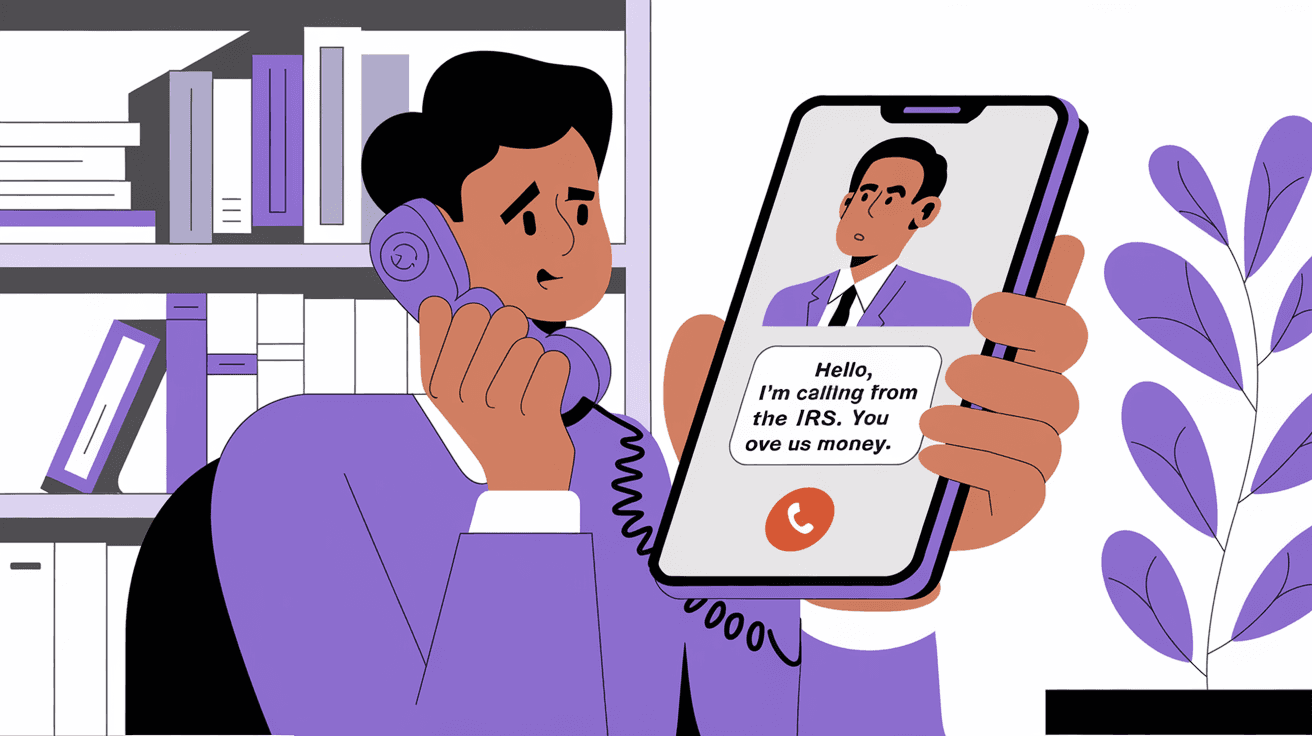
You’ve probably heard about phishing scams online, but have you ever wondered what voice phishing is? Voice phishing, often called “vishing,” is a type of scam where criminals use phone calls to trick you into giving away personal information. It’s becoming more common and sophisticated, so understanding it is important.
In this article, I’ll explain what voice phishing is, how scammers operate, and what you can do to protect yourself. By the end, you’ll know how to spot these scams and keep your information safe when you answer the phone.
What Is Voice Phishing?
Voice phishing, or vishing, is a scam where fraudsters use phone calls to steal your sensitive information. Unlike email phishing, which happens online, vishing happens over the phone. Scammers pretend to be someone you trust, like a bank representative or government official, to trick you into sharing passwords, credit card numbers, or social security numbers.
Here’s how it works:
- The scammer calls you, often using a fake caller ID to look legitimate.
- They create a sense of urgency or fear, like saying your bank account is at risk.
- They ask you to confirm personal details or transfer money immediately.
- Once they have your information, they use it to steal your money or identity.
Voice phishing is dangerous because it feels personal and direct. You might think you’re talking to a real person from a company you trust.
How Voice Phishing Scams Work
Understanding how these scams work helps you avoid falling for them. Scammers use several tricks during voice phishing calls:
- Caller ID Spoofing: They make their phone number appear as if it’s from a trusted source, like your bank or a government agency.
- Urgency and Fear: They pressure you to act quickly, saying your account will be closed or you owe money.
- Impersonation: They pretend to be someone official, like a bank employee, IRS agent, or tech support.
- Request for Sensitive Info: They ask for passwords, PINs, or credit card details.
- Fake Verification: Sometimes, they ask you to “verify” your identity by repeating sensitive information.
These tactics make you feel like you must respond immediately, which lowers your guard.
Common Types of Voice Phishing Scams
Voice phishing scams come in many forms. Here are some common examples you might encounter:
- Bank Scams: Scammers call pretending to be from your bank, warning about suspicious activity on your account.
- Tech Support Scams: They claim your computer has a virus and offer to fix it if you give remote access or payment.
- Government Impersonation: Fraudsters pretend to be IRS agents or police officers demanding unpaid taxes or fines.
- Lottery or Prize Scams: You’re told you won a prize but must pay fees or taxes upfront.
- Debt Collection Scams: Fake debt collectors threaten legal action if you don’t pay immediately.
Each scam tries to make you feel pressured or scared to get your information fast.
How to Recognize Voice Phishing Calls
Spotting a voice phishing call can be tricky, but there are clear signs to watch for:
- Unsolicited Calls: You didn’t expect the call or didn’t initiate contact.
- Pressure Tactics: The caller rushes you to make decisions or share info.
- Requests for Personal Info: Legitimate organizations rarely ask for passwords or full social security numbers over the phone.
- Suspicious Caller ID: The number looks odd or doesn’t match the official contact info.
- Too Good to Be True: Promises of prizes or money that seem unrealistic.
If you notice any of these signs, it’s best to hang up and verify the call through official channels.
Protecting Yourself from Voice Phishing
You can take simple steps to protect yourself from voice phishing scams:
- Don’t Share Personal Info: Never give out passwords, PINs, or social security numbers over the phone.
- Verify Caller Identity: Hang up and call the official number of the company or agency to confirm.
- Use Call Blocking Apps: Many smartphones have apps that block suspicious or spam calls.
- Register on Do Not Call Lists: This reduces telemarketing calls, which scammers sometimes use.
- Be Skeptical of Urgency: Legitimate organizations don’t pressure you to act immediately.
- Educate Yourself and Others: Share information about voice phishing with family and friends.
By staying cautious and informed, you reduce your risk of falling victim.
What to Do If You Receive a Voice Phishing Call
If you think you’ve received a voice phishing call, here’s what you should do:
- Don’t Provide Information: Stop the call if they ask for sensitive details.
- Hang Up Immediately: Don’t engage or argue with the caller.
- Report the Call: Contact your bank, phone provider, or local authorities to report the scam.
- Monitor Your Accounts: Check bank and credit card statements for suspicious activity.
- Consider a Credit Freeze: This prevents scammers from opening new accounts in your name.
Taking quick action can help protect your identity and finances.
The Impact of Voice Phishing on Victims
Voice phishing can cause serious harm. Victims often face:
- Financial Loss: Scammers can steal money directly or make fraudulent purchases.
- Identity Theft: Personal information can be used to open accounts or commit crimes.
- Emotional Stress: Feeling violated or embarrassed after being scammed.
- Time and Effort: Resolving fraud cases can take months and require legal help.
Awareness and prevention are the best defenses against these damaging effects.
How Technology Is Fighting Voice Phishing
Technology is evolving to help fight voice phishing scams:
- Caller ID Authentication: New standards like STIR/SHAKEN verify if a call is from a legitimate source.
- AI and Machine Learning: These tools detect suspicious call patterns and block scam calls automatically.
- Spam Call Alerts: Phone carriers and apps warn users about potential scam calls.
- Voice Biometrics: Some companies use voice recognition to verify callers securely.
While technology helps, staying alert is still crucial.
Conclusion
Voice phishing is a growing threat that uses phone calls to steal your personal information. By understanding how these scams work and recognizing the warning signs, you can protect yourself from falling victim. Always be cautious when receiving unexpected calls, especially if they ask for sensitive details or pressure you to act fast.
Remember, legitimate organizations won’t rush you or ask for passwords over the phone. Use technology tools like call blockers and verify suspicious calls through official numbers. Staying informed and vigilant is your best defense against voice phishing scams.
FAQs
What is the difference between voice phishing and regular phishing?
Voice phishing happens over the phone, while regular phishing usually occurs through emails or websites. Both aim to steal personal information but use different communication methods.
Can caller ID be trusted to identify voice phishing calls?
Caller ID can be spoofed by scammers to appear legitimate. It’s best to verify the caller by contacting the company directly using official numbers.
How can I report a voice phishing call?
You can report voice phishing to your bank, phone provider, or government agencies like the Federal Trade Commission (FTC). Reporting helps authorities track and stop scammers.
Are there apps that block voice phishing calls?
Yes, many call-blocking apps and phone features can detect and block suspected scam calls. Examples include Truecaller, Hiya, and built-in smartphone spam filters.
What should I do if I accidentally gave information to a voice phishing scammer?
Immediately contact your bank or credit card company to freeze accounts. Change passwords and monitor your accounts for suspicious activity. Consider placing a fraud alert on your credit report.




