
What is Vishing Attack
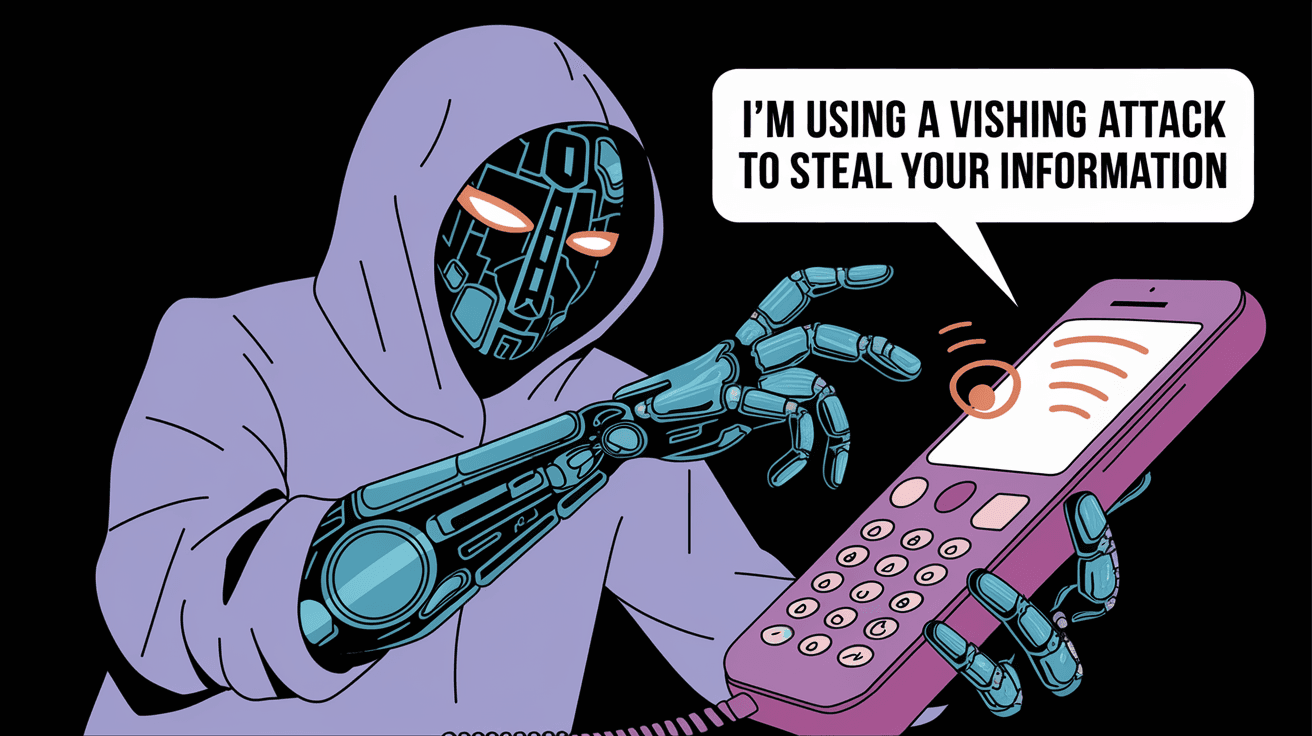
Introduction
You’ve probably heard about phishing scams, but have you come across the term "vishing"? Vishing attacks are a growing threat that targets people over the phone. Unlike email phishing, vishing uses voice calls to trick you into giving away sensitive information.
In this article, I’ll explain what a vishing attack is, how scammers operate, and what you can do to stay safe. Understanding this type of scam is important because it’s becoming more common and sophisticated. Let’s dive in and learn how to protect yourself from these phone-based threats.
What Is a Vishing Attack?
A vishing attack is a type of social engineering scam where criminals use phone calls to deceive you. The word "vishing" combines "voice" and "phishing." Instead of emails or texts, scammers call you directly, pretending to be someone trustworthy.
Here’s how it works:
- The attacker calls you, often using a fake or spoofed number.
- They claim to be from a bank, government agency, or tech support.
- Their goal is to get you to reveal personal details like passwords, credit card numbers, or social security numbers.
- Sometimes, they ask you to transfer money or install malicious software.
Vishing attacks rely on fear, urgency, or trust to manipulate you. They often sound very convincing, making it easy to fall for their tricks.
How Do Vishing Attacks Work?
Vishing attacks usually follow a few common steps. Understanding these can help you spot a scam before it’s too late.
- Preparation: Scammers gather information about you. They might find your phone number, name, or job from social media or data breaches.
- Initial Contact: They call you, often pretending to be from a trusted organization.
- Building Trust: The attacker uses a friendly or authoritative tone. They might use technical terms or personal details to seem credible.
- Creating Urgency: They pressure you to act quickly, saying your account is at risk or you owe money.
- Requesting Information: They ask for sensitive data like passwords, PINs, or bank details.
- Exploitation: Once they have your information, they use it to steal money, commit identity theft, or access your accounts.
Many vishing scams also use caller ID spoofing. This technology makes it look like the call is coming from a legitimate source, such as your bank or a government office.
Common Types of Vishing Attacks
Vishing attacks come in different forms. Here are some of the most common types you might encounter:
- Bank or Financial Scams: The caller pretends to be from your bank, warning you about suspicious activity. They ask for your account number or PIN.
- Tech Support Scams: The scammer claims your computer has a virus and offers to fix it. They ask for remote access or payment.
- Government Impersonation: The attacker pretends to be from the IRS, Social Security, or police, threatening legal action unless you pay immediately.
- Prize or Lottery Scams: You’re told you won a prize but need to provide personal information or pay fees to claim it.
- Charity Scams: The caller asks for donations to fake charities, especially after disasters or holidays.
Each type uses different tactics but shares the goal of stealing your information or money.
How to Recognize a Vishing Attack
Spotting a vishing attack can be tricky, but there are some warning signs you can watch for:
- Unsolicited Calls: You receive a call out of the blue from someone claiming to be an official.
- Pressure to Act Quickly: The caller insists you must do something immediately.
- Requests for Personal Information: Legitimate organizations rarely ask for passwords or PINs over the phone.
- Caller ID Spoofing: The number looks real but might be fake.
- Poor Grammar or Strange Accents: Sometimes scammers slip up with language or pronunciation.
- Threats or Intimidation: The caller uses fear to push you into compliance.
If you notice any of these signs, be cautious and don’t share sensitive information.
How to Protect Yourself from Vishing Attacks
Protecting yourself from vishing attacks requires awareness and some simple habits. Here’s what you can do:
- Don’t Share Personal Info: Never give out passwords, PINs, or full social security numbers over the phone.
- Verify the Caller: If someone claims to be from your bank or government, hang up and call the official number yourself.
- Use Call Blocking: Many smartphones and carriers offer call-blocking features to reduce spam calls.
- Be Skeptical of Urgency: Legitimate organizations usually don’t pressure you to act immediately.
- Register on Do Not Call Lists: This can reduce unwanted calls, though it’s not foolproof.
- Educate Yourself and Others: Share information about vishing scams with family and friends.
- Report Suspicious Calls: Notify your bank or local authorities if you receive a scam call.
By following these steps, you can reduce your risk of falling victim to vishing.
What to Do If You Suspect a Vishing Attack
If you think you’ve been targeted by a vishing attack, act quickly to minimize damage:
- Hang Up Immediately: Don’t engage further with the caller.
- Contact Your Bank or Service Provider: Inform them about the call and check your accounts for suspicious activity.
- Change Your Passwords: Update passwords for any accounts that might be compromised.
- Monitor Your Credit: Use credit monitoring services to watch for identity theft.
- Report the Incident: File a complaint with the Federal Trade Commission (FTC) or your country’s consumer protection agency.
- Warn Others: Let friends and family know about the scam to prevent others from falling victim.
Taking these actions promptly can help protect your finances and identity.
The Role of Technology in Fighting Vishing
Technology is playing a bigger role in stopping vishing attacks. Here are some tools and trends helping to fight these scams:
- Caller ID Authentication: New standards like STIR/SHAKEN help verify if a call is from a legitimate number.
- AI and Machine Learning: These technologies analyze call patterns to detect and block scam calls.
- Spam Call Filters: Many smartphones now include built-in spam detection.
- Two-Factor Authentication (2FA): Adding extra security to your accounts makes it harder for scammers to access them.
- Public Awareness Campaigns: Governments and organizations run programs to educate people about vishing.
While technology helps, your vigilance is still the best defense.
Why Vishing Attacks Are Increasing
Vishing attacks are on the rise for several reasons:
- More Phone Usage: People rely heavily on phones, making them easy targets.
- Caller ID Spoofing Advances: Scammers can mimic trusted numbers more convincingly.
- Data Breaches: Personal information leaked online helps attackers personalize their scams.
- Remote Work Trends: More people working from home means less face-to-face verification.
- Financial Incentives: Vishing can be very profitable for criminals.
Because of these factors, it’s important to stay informed and cautious.
Conclusion
Vishing attacks are a serious and growing threat that uses phone calls to steal your personal information. By understanding how these scams work and recognizing the warning signs, you can protect yourself from falling victim. Remember, no legitimate organization will pressure you to share sensitive data over the phone.
Staying alert, verifying callers, and using technology tools can help keep your information safe. If you ever suspect a vishing attack, act quickly to secure your accounts and report the scam. With the right knowledge and habits, you can avoid becoming a victim of these phone-based scams.
FAQs
What is the main goal of a vishing attack?
The main goal is to trick you into revealing sensitive information like passwords, credit card numbers, or social security numbers over the phone.
How can I verify if a call is a vishing scam?
Hang up and call the official number of the organization directly. Don’t trust caller ID alone, as scammers can spoof numbers.
Are vishing attacks illegal?
Yes, vishing is illegal and considered fraud. Authorities actively investigate and prosecute these crimes.
Can technology prevent all vishing attacks?
Technology helps reduce vishing but can’t stop all attacks. Your awareness and caution are essential defenses.
What should I do if I accidentally gave info to a vishing scammer?
Immediately contact your bank, change passwords, monitor your accounts, and report the incident to authorities.




