
What is Virtual Network Security
Introduction
Your digital world is expanding, and so are the ways hackers try to break in. Virtual networks are everywhere now, connecting devices and systems without physical cables. But with this convenience comes new risks. That’s why understanding virtual network security is essential for anyone using or managing these networks.
In this article, I’ll explain what virtual network security means, why it’s important, and how you can protect your virtual networks. Whether you’re a business owner, IT professional, or just curious, you’ll get clear insights and practical tips to keep your virtual connections safe.
What Is Virtual Network Security?
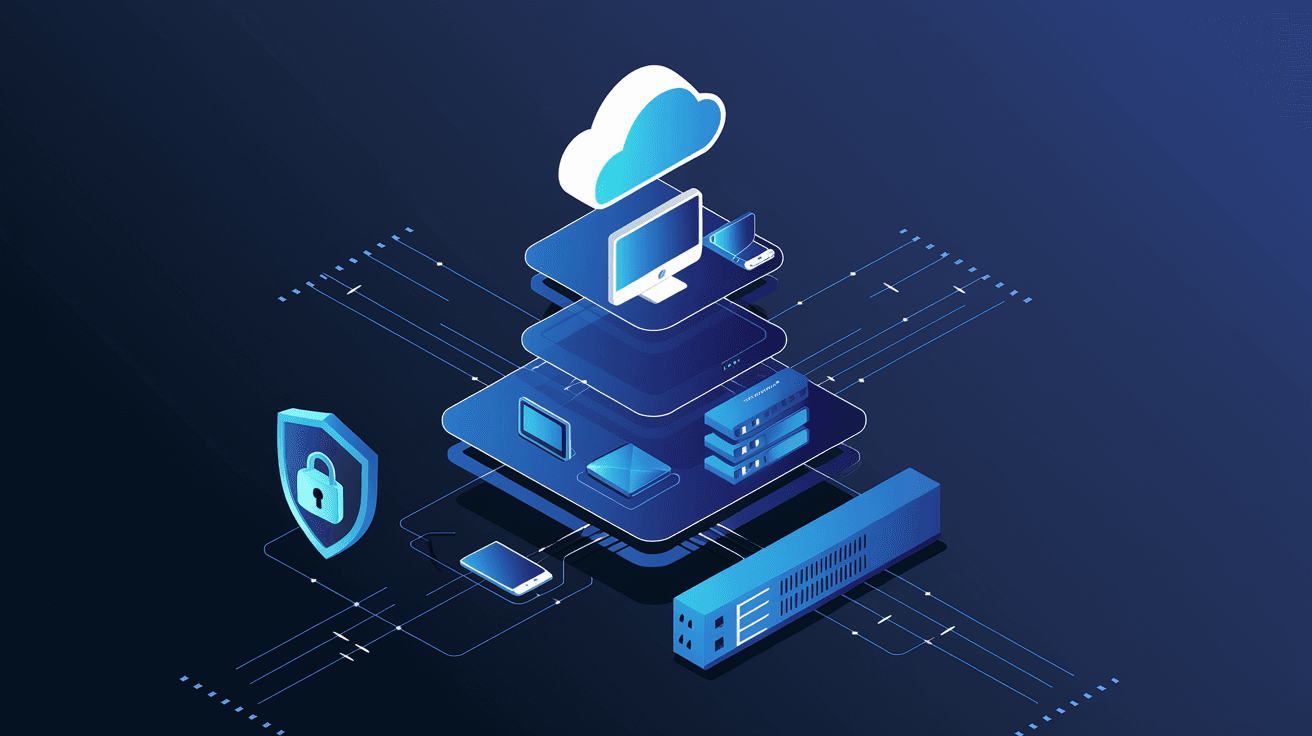
Virtual network security refers to the measures and technologies used to protect virtual networks from unauthorized access, attacks, and data breaches. Unlike traditional physical networks, virtual networks exist in software environments, often within cloud platforms or data centers.
These networks connect virtual machines, containers, and other digital resources, allowing them to communicate securely. Virtual network security ensures that this communication remains private, reliable, and free from threats.
Key Components of Virtual Network Security
- Firewalls: Virtual firewalls monitor and control traffic between virtual machines.
- Encryption: Data is encrypted to prevent interception during transmission.
- Access Controls: Only authorized users and devices can access the network.
- Segmentation: Dividing the network into smaller parts limits the spread of attacks.
- Monitoring: Continuous tracking of network activity helps detect suspicious behavior.
Virtual network security is critical because virtual environments are dynamic and scalable, making traditional security methods less effective.
Why Virtual Network Security Matters
Virtual networks are the backbone of modern IT infrastructure. They support cloud computing, remote work, and digital services. Without proper security, these networks become easy targets for cybercriminals.
Here’s why virtual network security is so important:
- Protects Sensitive Data: Virtual networks often carry confidential information. Security prevents leaks and theft.
- Ensures Business Continuity: Attacks can disrupt services. Security measures keep systems running smoothly.
- Supports Compliance: Many industries require strict data protection standards. Virtual network security helps meet these rules.
- Reduces Risk of Cyberattacks: Virtual networks face threats like malware, ransomware, and phishing. Security reduces these risks.
- Enables Safe Remote Access: Employees can connect safely from anywhere without exposing the network.
As companies move more operations to the cloud, virtual network security becomes a top priority to safeguard digital assets.
Common Threats to Virtual Networks
Virtual networks face many of the same threats as physical networks, but some are unique due to their software-based nature. Understanding these threats helps you prepare better defenses.
Types of Threats
- Man-in-the-Middle Attacks: Hackers intercept communication between virtual machines.
- Unauthorized Access: Weak access controls allow attackers to enter the network.
- Malware and Ransomware: Malicious software can spread quickly in virtual environments.
- Data Leakage: Sensitive data can accidentally be exposed through misconfigurations.
- Denial of Service (DoS): Attackers overload the network to disrupt services.
- Insider Threats: Employees or contractors with access may misuse their privileges.
Virtual networks are often more complex and dynamic, which can make spotting threats harder without proper tools.
How Virtual Network Security Works
Virtual network security uses a combination of technologies and best practices to protect the network. Here’s how it typically works:
1. Network Segmentation
Dividing the virtual network into smaller segments limits the reach of an attacker. If one segment is compromised, others remain safe.
2. Virtual Firewalls
These act like traditional firewalls but operate within the virtual environment. They filter traffic based on rules you set.
3. Encryption
Encrypting data in transit and at rest ensures that even if data is intercepted, it cannot be read without the key.
4. Access Management
Strong authentication methods, such as multi-factor authentication (MFA), ensure only authorized users can access the network.
5. Continuous Monitoring
Security tools monitor network traffic and behavior in real-time to detect anomalies and respond quickly.
6. Automated Security Policies
Using software-defined networking (SDN), security policies can be applied automatically across the virtual network, reducing human error.
Best Practices for Virtual Network Security
Securing your virtual network requires a proactive approach. Here are some best practices you can follow:
- Use Strong Authentication: Implement MFA and role-based access control.
- Regularly Update Software: Keep virtual machines and security tools up to date.
- Encrypt All Data: Use encryption protocols like TLS and IPsec.
- Segment Your Network: Separate critical systems from less sensitive ones.
- Monitor Continuously: Use security information and event management (SIEM) tools.
- Conduct Security Audits: Regularly review configurations and policies.
- Train Your Team: Educate employees about security risks and safe practices.
- Backup Data: Regular backups help recover from attacks like ransomware.
Following these steps helps create a layered defense that reduces vulnerabilities.
Tools and Technologies for Virtual Network Security
Several tools and technologies are designed specifically for virtual network security. Here are some common ones:
| Tool/Technology | Purpose |
| Virtual Firewalls | Control traffic between virtual machines |
| Intrusion Detection Systems (IDS) | Detect suspicious activity |
| Virtual Private Networks (VPNs) | Secure remote access |
| Security Information and Event Management (SIEM) | Centralized monitoring and alerts |
| Software-Defined Networking (SDN) | Automate and enforce security policies |
| Encryption Software | Protect data in transit and at rest |
Choosing the right combination depends on your network size, complexity, and security needs.
Challenges in Virtual Network Security
While virtual network security offers many benefits, it also comes with challenges:
- Complexity: Virtual environments can be complicated to manage and secure.
- Dynamic Nature: Virtual machines can be created or deleted quickly, making tracking difficult.
- Misconfigurations: Small mistakes in setup can lead to vulnerabilities.
- Integration Issues: Combining virtual and physical network security can be tricky.
- Resource Constraints: Security tools may consume significant computing resources.
Addressing these challenges requires skilled personnel and the right tools.
Future Trends in Virtual Network Security
Virtual network security is evolving rapidly. Here are some trends shaping its future:
- AI and Machine Learning: These technologies help detect threats faster by analyzing patterns.
- Zero Trust Architecture: This model assumes no user or device is trusted by default, enforcing strict verification.
- Cloud-Native Security: Security solutions designed specifically for cloud environments are becoming standard.
- Automation: More security tasks will be automated to reduce human error and speed response.
- Integration with DevOps: Security is being integrated into development pipelines to catch issues early.
Staying updated with these trends will help you keep your virtual networks secure.
Conclusion
Virtual network security is essential in today’s digital world. It protects your data, ensures smooth operations, and helps you meet compliance requirements. By understanding the threats and using the right tools and practices, you can secure your virtual networks effectively.
Remember, virtual networks are flexible and powerful, but they need strong security to stay safe. Whether you manage a small business or a large enterprise, investing in virtual network security is a smart move to protect your digital future.
FAQs
What is the difference between virtual network security and traditional network security?
Virtual network security focuses on protecting software-based networks, often in cloud environments, while traditional security protects physical networks. Virtual networks require different tools like virtual firewalls and software-defined policies.
How does network segmentation improve virtual network security?
Segmentation divides the network into smaller parts, limiting an attacker’s access if one segment is compromised. It helps contain threats and protects sensitive areas of the network.
Can virtual network security prevent ransomware attacks?
While it can’t guarantee prevention, virtual network security reduces the risk by controlling access, monitoring traffic, and isolating infected machines quickly to stop ransomware spread.
What role does encryption play in virtual network security?
Encryption protects data by making it unreadable to unauthorized users during transmission and storage. It’s a key defense against data interception and leaks.
Are virtual firewalls different from physical firewalls?
Yes, virtual firewalls operate within virtual environments and protect virtual machines, while physical firewalls protect hardware networks. Both serve similar purposes but are designed for different settings.




