
What is User Identity Verification System
Introduction
You’ve probably heard about user identity verification systems but might wonder what they really are and why they matter. In today’s digital world, verifying who you are online is more important than ever. These systems help protect your personal information and make sure only the right people access certain services.
We’ll explore what a user identity verification system is, how it works, and why businesses and individuals rely on it. By the end, you’ll understand how these systems keep your online activities safe and trustworthy.
What Is a User Identity Verification System?
A user identity verification system is a technology or process used to confirm that someone is who they claim to be. It’s like showing your ID card in real life but done digitally. This system helps prevent fraud, identity theft, and unauthorized access to sensitive information.
How It Works
- Data Collection: The system collects personal information such as name, date of birth, or government-issued ID.
- Verification Methods: It uses various techniques like facial recognition, fingerprint scanning, or document verification.
- Authentication: After verifying the identity, the system allows access or completes a transaction.
These systems are common in banking, online shopping, healthcare, and government services.
Why Is User Identity Verification Important?
User identity verification is crucial for several reasons. It protects both users and businesses from fraud and builds trust in digital interactions.
Key Benefits
- Fraud Prevention: Stops criminals from using stolen identities.
- Regulatory Compliance: Helps companies follow laws like KYC (Know Your Customer) and AML (Anti-Money Laundering).
- Improved User Experience: Quick and secure verification speeds up access to services.
- Data Security: Ensures sensitive information is only accessible to verified users.
Without proper verification, businesses risk financial losses and damage to their reputation.
Types of User Identity Verification Systems
There are several types of systems, each with unique features and uses. Understanding these helps you know what to expect when you verify your identity online.
1. Document Verification
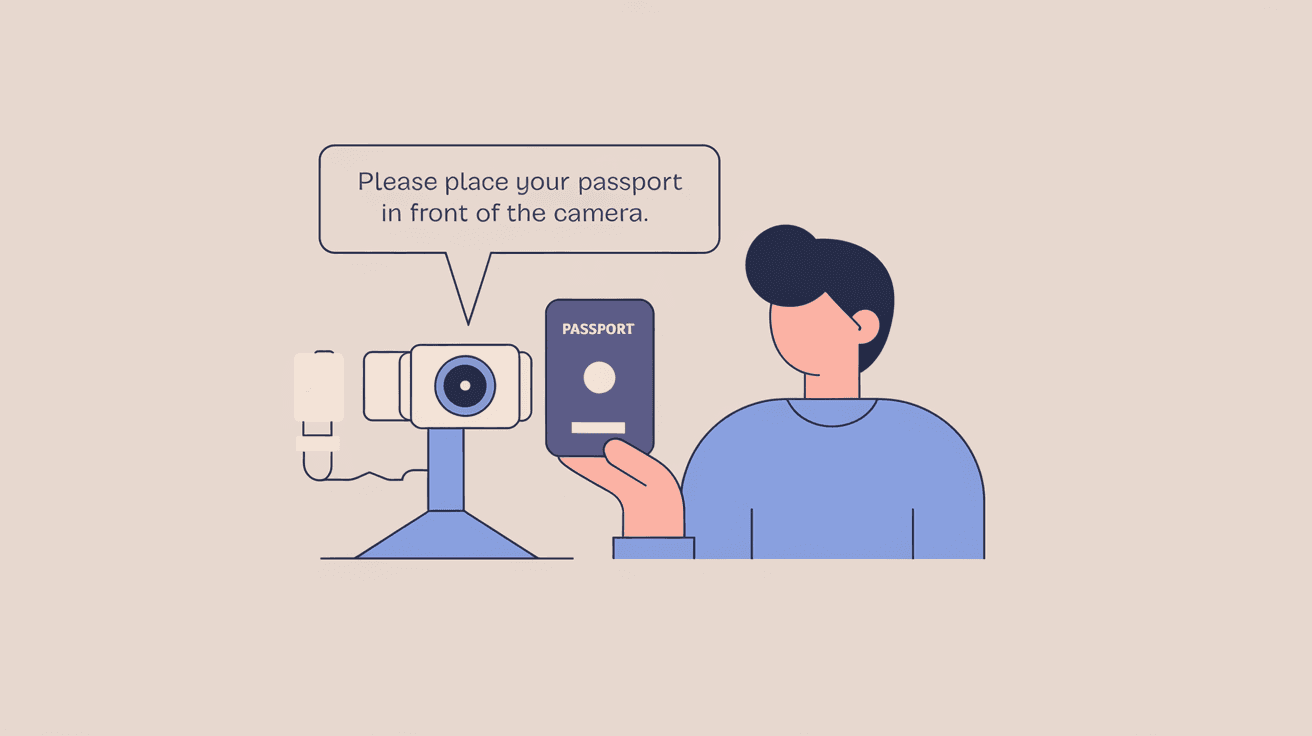
This method checks official documents like passports, driver’s licenses, or ID cards. The system scans and analyzes the document to confirm its authenticity.
- Uses AI to detect fake or altered documents.
- Often combined with selfie verification for extra security.
2. Biometric Verification
Biometric systems use physical traits to verify identity. Common methods include:
- Facial Recognition: Matches your face with a stored image.
- Fingerprint Scanning: Uses fingerprint patterns.
- Iris Scanning: Analyzes unique patterns in the eye.
Biometrics are hard to fake and provide high security.
3. Two-Factor Authentication (2FA)
2FA adds a second step to verify identity, such as:
- A code sent to your phone.
- A fingerprint scan.
- A hardware token.
This method strengthens security by requiring two forms of proof.
4. Knowledge-Based Verification
This method asks questions only the real user would know, like previous addresses or transaction history. It’s less secure but still used in some cases.
How User Identity Verification Systems Are Used Today
These systems are everywhere, helping secure many industries and services.
Banking and Finance
Banks use identity verification to open accounts, approve loans, and prevent fraud. Digital banks rely heavily on these systems to onboard customers remotely.
E-Commerce
Online stores verify users to prevent fake accounts and payment fraud. Some platforms require ID checks for high-value purchases.
Healthcare
Hospitals and clinics verify patient identities to protect medical records and ensure proper treatment.
Government Services
From voting to tax filing, governments use identity verification to confirm citizens’ identities and prevent fraud.
Remote Work and Education
With more people working and learning online, verifying identities helps secure access to company systems and educational platforms.
Challenges in User Identity Verification Systems
While these systems offer many benefits, they also face challenges.
Privacy Concerns
Collecting personal data raises privacy issues. Users worry about how their information is stored and used.
False Positives and Negatives
Sometimes, the system may wrongly reject a legitimate user or accept a fake one. This can frustrate users or cause security risks.
Accessibility Issues
Not everyone has access to the technology needed for biometric verification, such as smartphones or high-speed internet.
Fraudsters’ Evolving Tactics
Criminals constantly find new ways to bypass verification, requiring systems to update and improve regularly.
Best Practices for Implementing User Identity Verification Systems
If you’re a business or developer, here are some tips to create an effective system.
- Use Multi-Layered Verification: Combine document checks, biometrics, and 2FA for stronger security.
- Ensure User Privacy: Follow data protection laws and be transparent about data use.
- Make It User-Friendly: Keep the process simple and fast to avoid losing customers.
- Regularly Update Technology: Stay ahead of fraudsters by using the latest verification tools.
- Provide Support: Offer help for users who face issues during verification.
The Future of User Identity Verification Systems
The future looks promising with new technologies improving verification.
Artificial Intelligence and Machine Learning
AI helps detect fake documents and suspicious behavior faster and more accurately.
Decentralized Identity
Blockchain technology allows users to control their own identity data securely without relying on a central authority.
Biometric Advances
New biometric methods like voice recognition and behavioral biometrics are becoming more common.
Seamless User Experience
Systems will become faster and less intrusive, making verification almost invisible to users.
Conclusion
User identity verification systems play a vital role in today’s digital world. They protect your personal information, prevent fraud, and build trust between users and businesses. Whether you’re opening a bank account or shopping online, these systems ensure that only the right people get access.
As technology advances, these systems will become even more secure and user-friendly. Understanding how they work helps you appreciate the safety measures behind your online activities. So next time you verify your identity, you’ll know why it’s an important step in keeping your digital life safe.
FAQs
What is the main purpose of a user identity verification system?
Its main purpose is to confirm that a person is who they claim to be, preventing fraud and unauthorized access to services or information.
How does biometric verification work?
Biometric verification uses unique physical traits like fingerprints or facial features to identify and authenticate a user.
Are user identity verification systems safe for privacy?
When properly designed, they follow strict data protection laws to keep your information secure and private.
Can user identity verification prevent all types of fraud?
While it greatly reduces fraud risk, no system is perfect. Combining multiple methods improves security.
What industries use user identity verification the most?
Banking, e-commerce, healthcare, government, and remote work sectors rely heavily on these systems for security.




