
What is User Behavior Analytics Tool
Introduction
You might have heard about User Behavior Analytics (UBA) tools but wondered what they really do. These tools help businesses understand how users interact with their systems, websites, or apps. By analyzing user actions, they spot unusual behavior that could signal security threats or opportunities for improvement.
In this article, I’ll explain what a User Behavior Analytics tool is, how it works, and why it’s important for your business. Whether you want to protect your data or improve user experience, understanding UBA tools can give you a big advantage.
What is a User Behavior Analytics Tool?
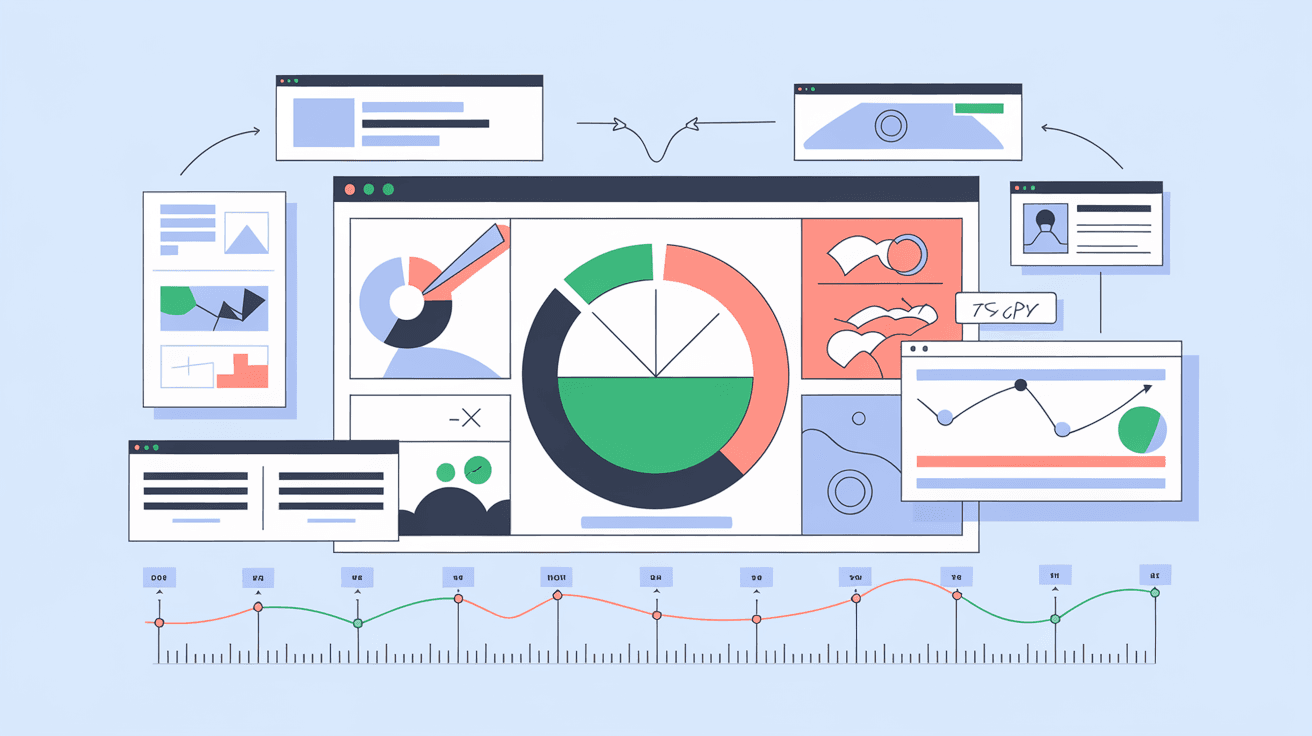
A User Behavior Analytics (UBA) tool is software that tracks and analyzes how users behave within a digital environment. It collects data on user activities like login times, file access, clicks, and navigation patterns. Then, it uses this data to detect anomalies or trends.
UBA tools focus on understanding normal user behavior first. Once they know what typical actions look like, they can identify unusual or suspicious activities. This helps businesses spot insider threats, cyberattacks, or even system misuse early.
Key Features of UBA Tools
- Behavior Tracking: Monitors user actions continuously.
- Anomaly Detection: Flags unusual behavior compared to normal patterns.
- Risk Scoring: Assigns risk levels to users or actions.
- Reporting and Alerts: Sends notifications about potential threats.
- Integration: Works with other security systems like SIEM (Security Information and Event Management).
How Does a User Behavior Analytics Tool Work?
UBA tools use advanced technologies like machine learning and statistical analysis to process large amounts of user data. Here’s a simple breakdown of how they work:
- Data Collection: The tool gathers data from various sources such as network logs, application logs, and user devices.
- Baseline Creation: It analyzes historical data to establish what normal user behavior looks like.
- Continuous Monitoring: The tool watches ongoing user activities in real time.
- Anomaly Detection: When behavior deviates from the baseline, the tool flags it as suspicious.
- Risk Assessment: It scores the risk level based on the severity and context of the anomaly.
- Alerts and Actions: Security teams get alerts to investigate or automatically block risky behavior.
Technologies Behind UBA
- Machine Learning: Learns patterns and improves detection over time.
- Statistical Models: Identify outliers in user behavior.
- Behavioral Analytics: Understands user intent and context.
- Big Data Processing: Handles large volumes of data efficiently.
Why is User Behavior Analytics Important?
UBA tools are becoming essential for businesses because cyber threats are more sophisticated today. Traditional security methods like firewalls and antivirus software can miss insider threats or subtle attacks. UBA fills this gap by focusing on how users behave rather than just what they access.
Benefits of Using UBA Tools
- Detect Insider Threats: Identify employees or contractors acting suspiciously.
- Prevent Data Breaches: Spot early signs of hacking or data theft.
- Improve Compliance: Meet regulations by monitoring user access and activity.
- Enhance User Experience: Understand user behavior to optimize systems.
- Reduce False Positives: More accurate threat detection compared to rule-based systems.
Common Use Cases for User Behavior Analytics Tools
UBA tools are versatile and used across industries. Here are some common scenarios where they shine:
Cybersecurity
- Detecting compromised accounts or malware infections.
- Identifying unusual data downloads or transfers.
- Monitoring privileged user activities.
Fraud Detection
- Spotting fraudulent transactions in banking or e-commerce.
- Detecting fake accounts or identity theft.
IT Operations
- Monitoring system performance based on user behavior.
- Identifying bottlenecks or unusual usage patterns.
Compliance and Audit
- Tracking access to sensitive data.
- Generating reports for regulatory audits.
How to Choose the Right User Behavior Analytics Tool
Choosing a UBA tool depends on your business needs, budget, and technical environment. Here are some factors to consider:
Integration Capabilities
Make sure the tool works well with your existing security systems like SIEM, firewalls, or identity management platforms.
Scalability
Choose a tool that can handle your data volume and grow with your business.
Ease of Use
Look for intuitive dashboards and clear alerts to help your security team respond quickly.
Customization
The ability to tailor risk scoring and detection rules to your specific environment is valuable.
Vendor Support and Updates
Regular updates and good customer support ensure your tool stays effective against evolving threats.
Challenges and Limitations of User Behavior Analytics Tools
While UBA tools are powerful, they also have some challenges:
- Data Privacy Concerns: Collecting detailed user data can raise privacy issues.
- False Positives: Sometimes normal behavior may be flagged as suspicious.
- Complex Setup: Integrating and tuning the tool requires expertise.
- Resource Intensive: Processing large data sets needs strong infrastructure.
- User Resistance: Employees may feel monitored or mistrusted.
Best Practices for Implementing a User Behavior Analytics Tool
To get the most from your UBA tool, follow these tips:
- Start Small: Begin with critical systems or high-risk users.
- Define Clear Policies: Communicate how data will be used and protected.
- Train Your Team: Ensure security analysts understand how to interpret alerts.
- Regularly Update Baselines: Keep behavior models current as users and systems change.
- Combine with Other Tools: Use UBA alongside firewalls, antivirus, and endpoint detection.
Future Trends in User Behavior Analytics
The UBA field is evolving quickly. Here are some trends shaping its future:
- AI and Deep Learning: More advanced algorithms will improve detection accuracy.
- Integration with Zero Trust Security: UBA will play a key role in verifying user identity continuously.
- Behavioral Biometrics: Using unique user traits like typing patterns or mouse movements.
- Cloud-Based UBA: More tools will move to the cloud for scalability and ease of deployment.
- Privacy-Enhancing Technologies: Balancing analytics with user privacy protections.
Conclusion
User Behavior Analytics tools are essential for modern businesses aiming to secure their digital environments. By understanding how users normally behave, these tools detect threats early and help prevent costly breaches. They also offer insights to improve user experience and meet compliance requirements.
If you want to protect your business from insider threats, cyberattacks, or fraud, investing in a UBA tool is a smart move. Remember to choose one that fits your needs, train your team, and keep your data privacy in mind. With the right approach, you can turn user behavior data into a powerful security asset.
FAQs
What types of data do User Behavior Analytics tools collect?
UBA tools collect data like login times, file access, application usage, network activity, and user interactions with systems. This helps build a detailed picture of normal and abnormal behavior.
How do UBA tools detect insider threats?
They establish a baseline of normal user behavior and flag deviations, such as accessing unusual files or logging in at odd hours, which may indicate insider threats.
Can User Behavior Analytics tools improve user experience?
Yes, by analyzing how users interact with systems, businesses can identify pain points and optimize workflows or interfaces for better usability.
Are User Behavior Analytics tools suitable for small businesses?
Many UBA tools offer scalable solutions suitable for small to large businesses. Small businesses should choose tools that fit their budget and technical capacity.
How do UBA tools handle privacy concerns?
Good UBA tools follow data protection regulations, anonymize sensitive data when possible, and clearly communicate data usage policies to users.




