
What is Traffic Flooding
Introduction
You’ve probably heard the term "traffic flooding" and wondered what it really means. Whether you’re a driver, city planner, or just curious, understanding traffic flooding can help you see why roads get jammed and how it affects daily life. In this article, I’ll explain what traffic flooding is, why it happens, and what can be done to reduce its impact.
We all experience traffic jams, but traffic flooding is a specific kind of problem that causes sudden, heavy congestion. It’s not just about too many cars; it’s about how traffic builds up quickly and overwhelms the road system. Let’s dive into what causes this and how it shapes our travel experience.
What is Traffic Flooding?
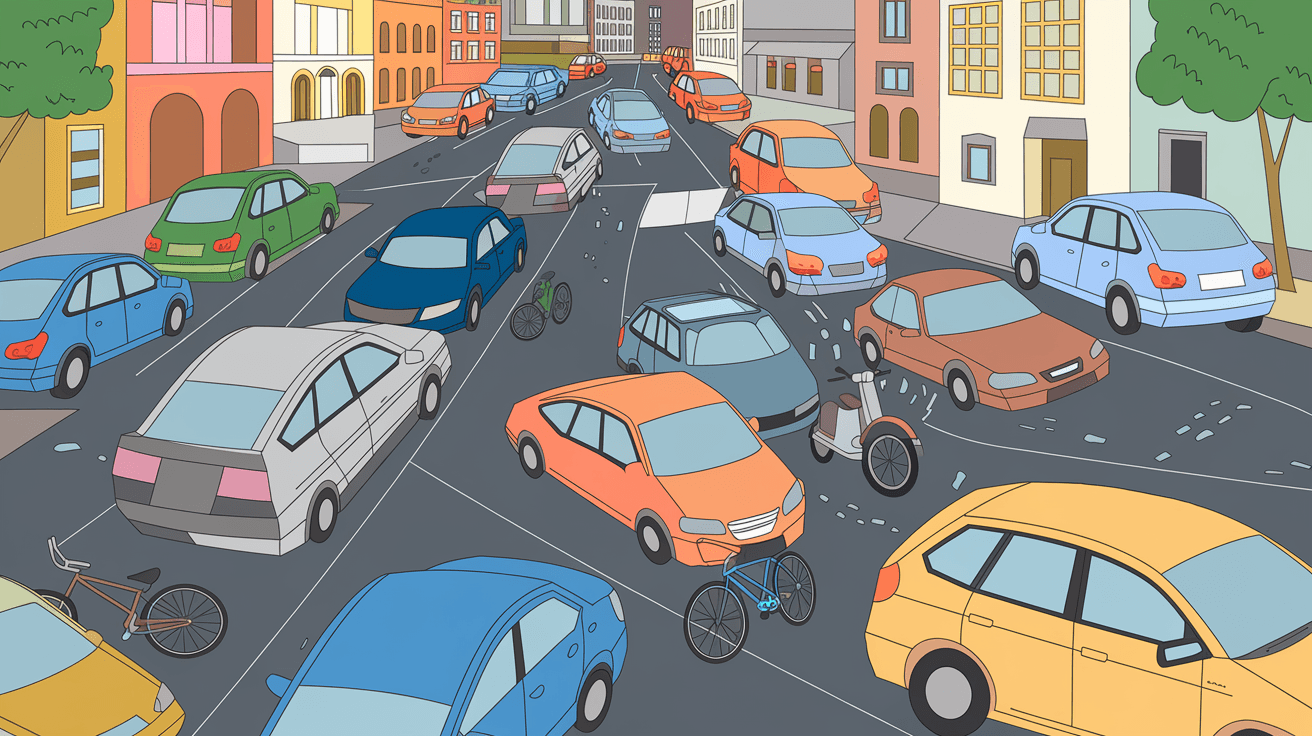
Traffic flooding happens when a large number of vehicles enter a road or area in a short time, causing congestion that slows or stops traffic flow. Unlike regular traffic jams, which may build up gradually, flooding is sudden and intense.
- It often occurs during peak hours or after events like concerts or sports games.
- Flooding can also happen due to accidents, road closures, or bad weather.
- The term "flooding" is used because traffic behaves like water overflowing a riverbank, spilling over and causing blockages.
This sudden surge overwhelms the road’s capacity, leading to long delays and frustration for drivers.
Causes of Traffic Flooding
Understanding what causes traffic flooding helps us find ways to prevent or manage it. Here are the main reasons:
1. High Vehicle Volume in Short Time
When too many cars try to use the same road at once, the road can’t handle the load.
- Morning and evening rush hours are common times.
- Special events bring many vehicles to one place quickly.
- Sudden changes in traffic patterns, like detours, can funnel cars into fewer lanes.
2. Road Incidents and Accidents
Crashes or breakdowns reduce the number of usable lanes, causing backups.
- Even a minor accident can cause a ripple effect.
- Emergency vehicles and cleanup crews slow traffic further.
3. Poor Road Design or Infrastructure
Some roads aren’t built to handle large traffic volumes.
- Narrow lanes, lack of alternative routes, or poor signage can worsen flooding.
- Construction zones reduce lane availability and confuse drivers.
4. Weather Conditions
Heavy rain, snow, or fog can slow vehicles and reduce road capacity.
- Drivers tend to slow down, increasing congestion.
- Accidents are more likely, adding to the problem.
5. Traffic Signal Timing and Control
Improperly timed traffic lights can cause vehicles to bunch up.
- Signals that don’t adapt to real-time traffic flow can create backups.
- Lack of coordination between intersections worsens congestion.
Effects of Traffic Flooding
Traffic flooding impacts more than just your commute. It affects the environment, economy, and public safety.
1. Increased Travel Time and Stress
- Drivers spend more time stuck in traffic.
- Stress and frustration levels rise, leading to aggressive driving.
2. Economic Costs
- Delays reduce productivity as people arrive late to work or appointments.
- Delivery and logistics companies face higher costs.
- Fuel consumption increases, wasting money and resources.
3. Environmental Impact
- Idling vehicles emit more pollutants.
- Increased fuel use contributes to air pollution and greenhouse gases.
4. Safety Risks
- Congested roads increase the chance of accidents.
- Emergency vehicles may struggle to reach their destinations quickly.
How Traffic Flooding is Measured
Traffic engineers use several methods to measure and analyze flooding:
- Traffic Volume Counts: Counting vehicles passing a point in a set time.
- Speed Monitoring: Measuring average speeds to detect slowdowns.
- Queue Lengths: Observing how far back traffic builds up.
- Travel Time Surveys: Tracking how long trips take during flooding events.
- Sensors and Cameras: Real-time data collection for traffic management.
These tools help identify flooding hotspots and times, guiding improvements.
Managing and Preventing Traffic Flooding
While traffic flooding can’t be eliminated entirely, there are ways to reduce its frequency and severity.
1. Improving Infrastructure
- Widening roads or adding lanes where possible.
- Building alternative routes to spread traffic.
- Upgrading intersections with better signals and roundabouts.
2. Smart Traffic Management
- Using adaptive traffic signals that respond to real-time conditions.
- Implementing ramp metering on highways to control entry flow.
- Coordinating traffic lights across corridors to smooth flow.
3. Encouraging Alternative Transportation
- Promoting public transit to reduce the number of cars.
- Creating bike lanes and pedestrian paths.
- Supporting carpooling and ride-sharing programs.
4. Incident Management
- Quick clearance of accidents and breakdowns.
- Using traffic cameras and patrols to monitor and respond fast.
- Providing real-time traffic updates to drivers via apps or signs.
5. Demand Management
- Flexible work hours or remote work to spread peak demand.
- Congestion pricing to discourage driving during busy times.
- Encouraging off-peak travel for deliveries and services.
Examples of Traffic Flooding in Real Life
Traffic flooding is a global issue, and many cities face it regularly.
- Los Angeles: Known for heavy flooding during rush hours due to high car ownership and limited public transit.
- London: Uses congestion pricing and smart signals to manage flooding.
- Tokyo: Combines efficient public transport with strict traffic controls to reduce flooding.
- Mumbai: Experiences flooding after monsoon rains, worsening traffic jams.
These examples show how different strategies can help manage traffic flooding.
The Role of Technology in Fighting Traffic Flooding
Technology is playing a bigger role in managing traffic flooding today.
- AI and Machine Learning: Predict traffic patterns and adjust signals automatically.
- Connected Vehicles: Cars communicate with each other and infrastructure to improve flow.
- Mobile Apps: Provide drivers with real-time traffic info and alternative routes.
- Drones and Sensors: Monitor traffic conditions from above for faster response.
These innovations make traffic systems smarter and more responsive.
What You Can Do to Avoid Traffic Flooding
As a driver or commuter, you can take steps to reduce your chances of getting stuck in traffic flooding.
- Plan trips outside peak hours when possible.
- Use navigation apps that show real-time traffic and suggest alternate routes.
- Carpool or use public transit to reduce the number of vehicles on the road.
- Stay informed about road conditions and incidents.
- Be patient and drive safely to avoid accidents that worsen flooding.
Conclusion
Traffic flooding is a sudden and intense buildup of vehicles that overwhelms road capacity. It happens due to many factors like high vehicle volume, accidents, poor infrastructure, and weather. This problem affects your travel time, safety, and the environment.
Fortunately, cities and engineers use smart tools and strategies to manage and reduce traffic flooding. From better road design to advanced technology and encouraging alternative transport, there are many ways to improve traffic flow. By understanding traffic flooding and taking simple steps, you can help make your daily commute smoother and safer.
FAQs
What is the difference between traffic flooding and regular traffic congestion?
Traffic flooding is a sudden, heavy surge of vehicles causing rapid congestion, while regular congestion builds up gradually over time during peak hours.
Can traffic flooding be completely prevented?
No, but it can be managed and reduced through better infrastructure, smart traffic systems, and encouraging alternative transportation.
How does weather contribute to traffic flooding?
Bad weather slows down vehicles and increases accidents, which reduces road capacity and causes sudden traffic build-up.
What technologies help reduce traffic flooding?
Adaptive traffic signals, AI traffic prediction, connected vehicles, and real-time navigation apps all help manage and reduce flooding.
How can I avoid getting stuck in traffic flooding?
Travel during off-peak hours, use real-time traffic apps, carpool, and stay informed about road conditions to avoid flooded traffic areas.




