
What is Threat Surface Management
Introduction
When you hear about cybersecurity, you might think of firewalls or antivirus software. But there’s a newer, smarter way to protect your business called Threat Surface Management (TSM). It’s all about understanding every possible way an attacker could get into your systems.
You and your team need to know where your weak spots are before hackers find them. Threat Surface Management helps you do just that by continuously discovering and managing your digital risks. Let’s explore what TSM is and why it’s becoming essential for every organization.
What is Threat Surface Management?
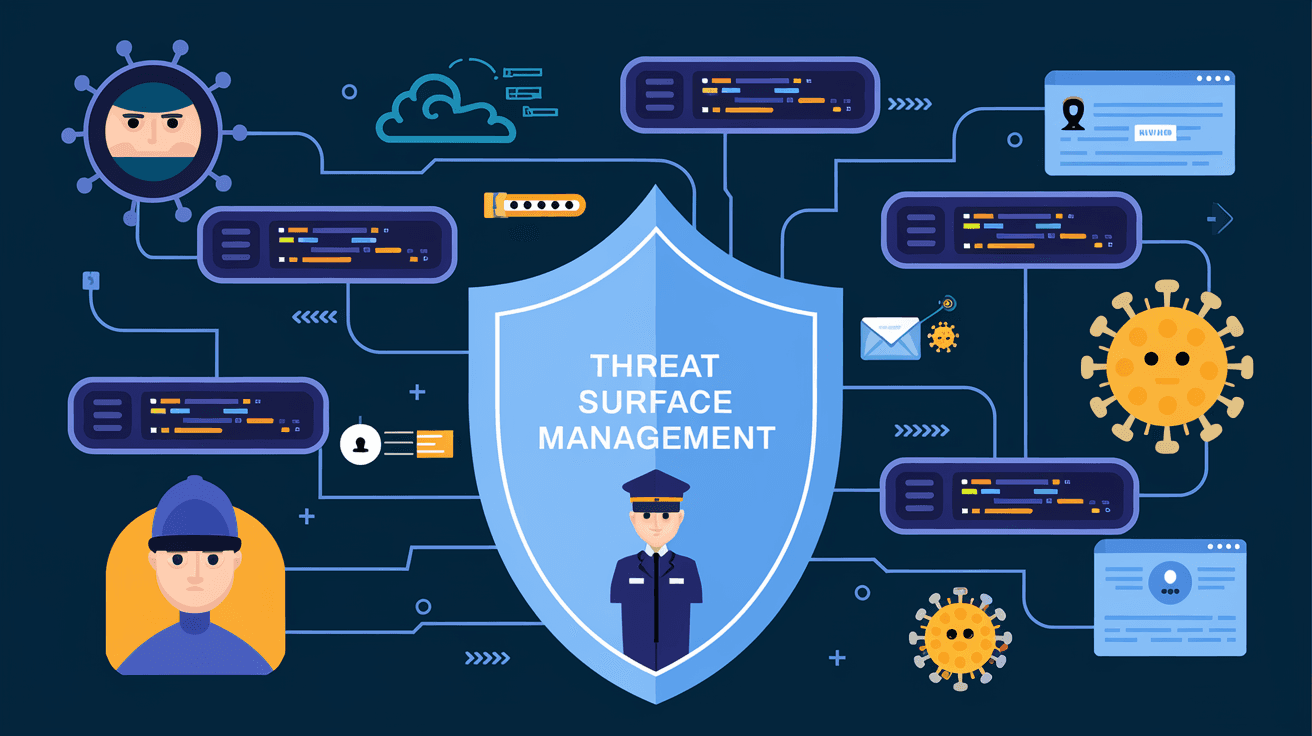
Threat Surface Management is a proactive cybersecurity approach. It focuses on identifying, monitoring, and reducing the attack surface of an organization’s digital environment. The attack surface includes all the points where an unauthorized user could try to enter or extract data.
Unlike traditional security methods that react to threats, TSM continuously scans your systems, networks, and cloud assets to find vulnerabilities. It helps you see your entire digital footprint, including unknown or forgotten assets that hackers might exploit.
Key Components of Threat Surface Management
- Asset Discovery: Finding all devices, applications, and services connected to your network.
- Vulnerability Detection: Identifying weaknesses in software, hardware, or configurations.
- Risk Prioritization: Ranking vulnerabilities based on their potential impact.
- Continuous Monitoring: Keeping an eye on changes or new threats in real-time.
- Remediation Guidance: Providing actionable steps to fix or reduce risks.
By combining these elements, TSM gives you a clear picture of your security posture and helps you act before an attack happens.
Why is Threat Surface Management Important?
In today’s digital world, businesses use many cloud services, remote work tools, and IoT devices. This complexity increases your attack surface, making it harder to protect everything.
Here’s why TSM matters:
- Visibility: Many organizations don’t know all their digital assets. TSM uncovers hidden or forgotten systems.
- Risk Reduction: By finding vulnerabilities early, you can fix them before hackers exploit them.
- Compliance: Regulations like GDPR and HIPAA require organizations to manage risks actively.
- Cost Savings: Preventing breaches saves money on fines, recovery, and reputation damage.
- Adaptability: TSM adapts to changes in your environment, such as new software or devices.
Without TSM, you might miss critical security gaps that cybercriminals can use to attack your business.
How Does Threat Surface Management Work?
TSM uses automated tools and processes to map and monitor your digital environment. Here’s a simplified look at how it works:
1. Asset Discovery
The first step is to find every asset connected to your network. This includes:
- Servers and workstations
- Cloud services and applications
- Mobile devices
- IoT devices like printers or cameras
- Third-party systems and APIs
Automated scanners and sensors help detect these assets, even those outside your usual IT inventory.
2. Vulnerability Assessment
Once assets are identified, TSM tools scan them for vulnerabilities. This includes:
- Outdated software or missing patches
- Weak passwords or misconfigurations
- Open ports or unsecured services
- Exposed sensitive data
The system checks for known vulnerabilities using databases like CVE (Common Vulnerabilities and Exposures).
3. Risk Prioritization
Not all vulnerabilities are equally dangerous. TSM ranks risks based on:
- Severity of the vulnerability
- Exposure level (public internet vs. internal network)
- Potential impact on business operations
This helps you focus on fixing the most critical issues first.
4. Continuous Monitoring
Threat surfaces change constantly. New devices connect, software updates, or configurations change. TSM tools keep scanning and alert you about new risks or suspicious activity.
5. Remediation and Reporting
Finally, TSM provides clear guidance on how to fix vulnerabilities. It also generates reports for your security team and compliance audits.
Benefits of Using Threat Surface Management
Implementing TSM offers many advantages for your organization’s security:
- Comprehensive Security: Covers all digital assets, including shadow IT and cloud environments.
- Early Detection: Finds risks before attackers do.
- Improved Response: Helps security teams prioritize and act quickly.
- Reduced Attack Surface: Minimizes entry points for cybercriminals.
- Better Compliance: Supports regulatory requirements with detailed reports.
- Increased Confidence: Gives stakeholders peace of mind about security posture.
Many companies have seen a significant drop in security incidents after adopting TSM solutions.
Common Challenges in Threat Surface Management
While TSM is powerful, it comes with challenges:
- Asset Complexity: Modern IT environments are vast and dynamic, making discovery difficult.
- Data Overload: Continuous scanning generates large amounts of data that need analysis.
- Integration: TSM tools must work well with existing security systems.
- Resource Constraints: Smaller teams may struggle to manage and respond to findings.
- False Positives: Some alerts may not be real threats, requiring careful filtering.
Understanding these challenges helps you prepare and choose the right TSM approach.
How to Choose a Threat Surface Management Solution
Selecting the right TSM tool depends on your organization’s needs. Consider these factors:
- Coverage: Does it scan all asset types, including cloud and IoT?
- Automation: How much manual work is required?
- Integration: Can it connect with your existing security tools?
- Scalability: Will it grow with your business?
- User Interface: Is it easy to understand and use?
- Reporting: Does it provide clear, actionable reports?
- Support: What kind of customer service and training is offered?
Try demos or trials to see how well a solution fits your environment.
Threat Surface Management vs. Traditional Vulnerability Management
You might wonder how TSM differs from traditional vulnerability management. Here’s a quick comparison:
| Feature | Threat Surface Management | Traditional Vulnerability Management |
| Asset Discovery | Continuous, includes unknown assets | Usually manual or scheduled scans |
| Scope | Entire digital footprint | Focus on known assets |
| Monitoring | Real-time and continuous | Periodic scans |
| Risk Prioritization | Dynamic, based on exposure | Static, based on vulnerability score |
| Remediation Guidance | Integrated and actionable | Often separate from discovery tools |
TSM offers a more comprehensive and dynamic approach to security.
Real-World Examples of Threat Surface Management
Many organizations have successfully used TSM to improve security:
- Financial Institutions: Banks use TSM to monitor cloud services and third-party apps, reducing fraud risks.
- Healthcare Providers: Hospitals track medical devices and patient data systems to prevent breaches.
- Retail Chains: Retailers manage point-of-sale systems and online platforms to protect customer information.
- Manufacturing: Factories monitor IoT devices and operational technology to avoid disruptions.
These examples show how TSM adapts to different industries and environments.
Getting Started with Threat Surface Management
If you want to start managing your threat surface, here’s a simple plan:
- Assess Your Current Security: Understand what tools and processes you have.
- Identify Your Assets: Create an inventory of all digital assets.
- Choose a TSM Tool: Select a solution that fits your needs and budget.
- Implement and Integrate: Set up the tool and connect it with your security systems.
- Train Your Team: Make sure everyone understands how to use TSM effectively.
- Monitor and Respond: Regularly review findings and fix vulnerabilities.
- Review and Improve: Update your strategy as your environment changes.
Starting small and scaling up helps you manage resources and gain confidence.
Conclusion
Threat Surface Management is a vital part of modern cybersecurity. It helps you see and protect every corner of your digital world, not just the obvious parts. By continuously discovering assets and vulnerabilities, TSM reduces your risk and keeps your business safer.
You don’t have to wait for a breach to act. With TSM, you stay one step ahead of attackers. Whether you run a small company or a large enterprise, adopting Threat Surface Management can make a big difference in your security strategy.
FAQs
What is the main goal of Threat Surface Management?
The main goal is to identify and reduce all possible entry points hackers could use to attack your organization. It helps you find hidden assets and vulnerabilities before they become a problem.
How often should Threat Surface Management be performed?
TSM should be continuous or at least very frequent. Since digital environments change rapidly, ongoing monitoring ensures you catch new risks quickly.
Can Threat Surface Management detect unknown assets?
Yes, one of TSM’s strengths is discovering unknown or forgotten assets that traditional methods might miss, such as shadow IT or unmanaged cloud services.
Is Threat Surface Management only for large companies?
No, businesses of all sizes can benefit. Smaller companies especially need TSM to manage risks without large security teams.
How does Threat Surface Management help with compliance?
TSM provides detailed reports and documentation showing how you manage risks, which supports compliance with regulations like GDPR, HIPAA, and others.




