
What is System Audit
Introduction
When you hear the term "system audit," you might wonder what it really means and why it matters to your business or organization. A system audit is a thorough review of an organization's systems, processes, and controls to ensure they work correctly and securely. Whether you run a small company or a large enterprise, understanding system audits can help you improve efficiency and reduce risks.
In this article, I’ll walk you through what a system audit is, the different types, why it’s important, and how it can benefit you. By the end, you’ll have a clear idea of how system audits work and why they are essential for keeping your systems reliable and safe.
What is a System Audit?
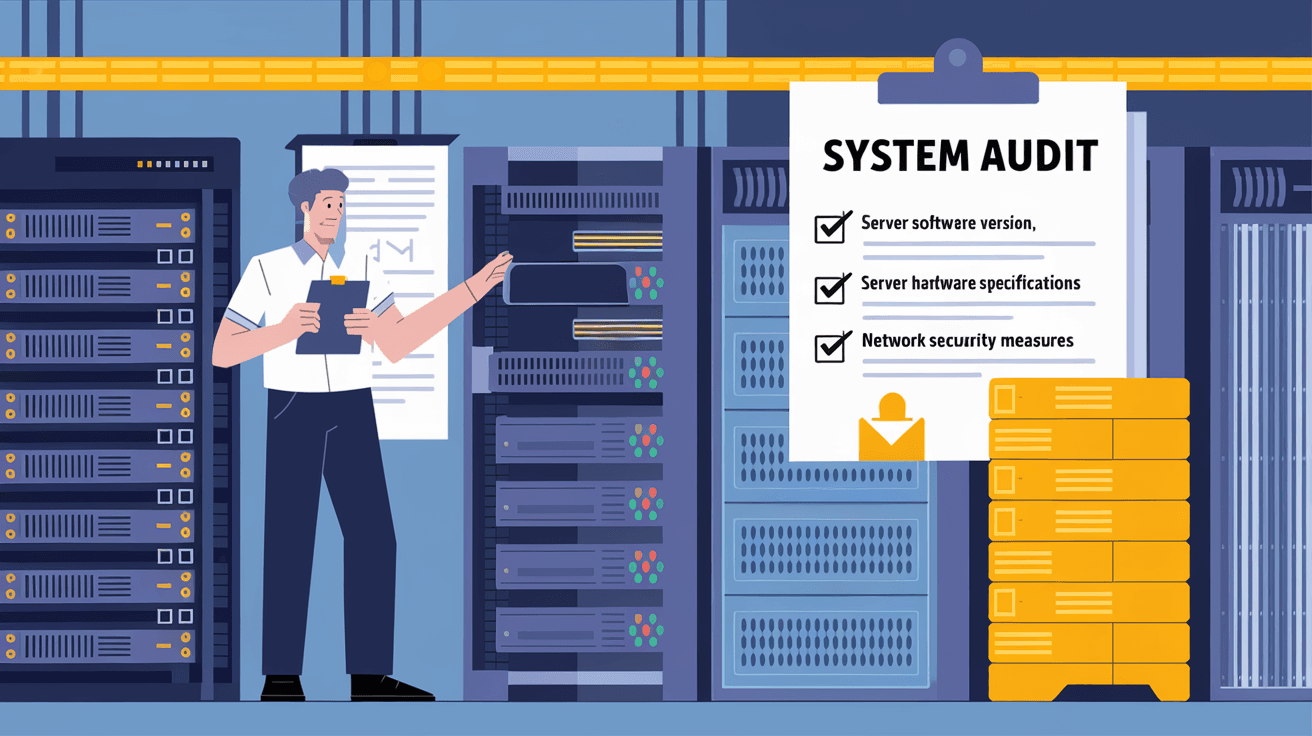
A system audit is an independent examination of an organization's information systems, including hardware, software, data management, and security controls. The goal is to check if these systems operate as intended and comply with relevant policies and regulations.
System audits focus on:
- Evaluating system performance and reliability
- Checking data integrity and security
- Ensuring compliance with laws and standards
- Identifying weaknesses or risks in the system
Unlike financial audits that focus on money, system audits look at how technology supports business goals. They help organizations spot problems before they cause bigger issues.
Key Components of a System Audit
- Scope Definition: What systems and processes will be reviewed.
- Risk Assessment: Identifying areas with potential vulnerabilities.
- Control Evaluation: Checking if security and operational controls are effective.
- Testing: Running tests to verify system functions.
- Reporting: Documenting findings and recommendations.
Types of System Audits
System audits come in different forms depending on the focus and purpose. Here are the most common types:
1. IT System Audit
This audit reviews the organization's IT infrastructure, including networks, servers, and software applications. It checks for security gaps, system performance, and compliance with IT policies.
- Verifies firewall and antivirus effectiveness
- Assesses backup and disaster recovery plans
- Reviews user access controls
2. Security Audit
A security audit focuses specifically on the protection of data and systems from cyber threats. It examines how well security measures prevent unauthorized access or data breaches.
- Tests vulnerability to hacking or malware
- Reviews encryption and password policies
- Checks physical security of data centers
3. Compliance Audit
This type ensures that systems meet legal and regulatory requirements, such as GDPR, HIPAA, or industry standards like ISO 27001.
- Verifies data privacy controls
- Checks documentation and policy adherence
- Ensures audit trails and logs are maintained
4. Operational Audit
An operational audit looks at how well systems support business processes and efficiency. It identifies bottlenecks or outdated technology that may slow down operations.
- Reviews system workflows
- Assesses software usability
- Suggests improvements for automation
Why is System Audit Important?
System audits are crucial because they help you protect your organization from risks and improve overall performance. Here’s why you should care about them:
- Risk Reduction: Audits identify vulnerabilities that hackers or errors could exploit.
- Regulatory Compliance: Avoid fines and legal trouble by meeting industry standards.
- Improved Efficiency: Find outdated or inefficient systems and processes.
- Data Integrity: Ensure your data is accurate and reliable.
- Trust Building: Show customers and partners that you take security seriously.
Regular system audits keep your technology aligned with your business goals and help you adapt to new challenges.
How Does a System Audit Work?
Understanding the audit process helps you prepare and get the most out of it. Here’s a typical step-by-step system audit process:
Step 1: Planning and Preparation
- Define audit objectives and scope
- Gather relevant documents and policies
- Identify key personnel to interview
Step 2: Risk Assessment
- Identify potential threats and vulnerabilities
- Prioritize areas based on risk level
Step 3: Fieldwork and Testing
- Review system configurations and controls
- Perform penetration tests or vulnerability scans
- Observe system operations and workflows
Step 4: Analysis and Evaluation
- Compare findings against standards and policies
- Determine if controls are adequate and effective
Step 5: Reporting
- Document audit results clearly
- Highlight risks and weaknesses
- Provide actionable recommendations
Step 6: Follow-up
- Implement suggested improvements
- Schedule future audits to monitor progress
Benefits of Conducting System Audits
System audits offer many advantages that help your organization stay secure and efficient. Here are some key benefits:
- Enhanced Security: Detect and fix security gaps before they are exploited.
- Cost Savings: Avoid costly downtime and data breaches.
- Better Decision Making: Use audit insights to guide IT investments.
- Compliance Assurance: Meet legal requirements and industry standards.
- Operational Improvements: Streamline processes and reduce errors.
- Increased Accountability: Clear documentation of controls and responsibilities.
By regularly auditing your systems, you create a culture of continuous improvement and risk management.
Common Challenges in System Audits
While system audits are valuable, they can also face some challenges:
- Complex Systems: Modern IT environments can be very complex and hard to fully assess.
- Resource Constraints: Audits require time, skilled personnel, and budget.
- Resistance to Change: Staff may be hesitant to share information or accept findings.
- Keeping Up with Technology: Rapid tech changes mean audits must be frequent and updated.
- Data Privacy Concerns: Handling sensitive data during audits requires care.
Being aware of these challenges helps you plan better and get the most from your audits.
Best Practices for Effective System Audits
To ensure your system audit delivers real value, follow these best practices:
- Define Clear Objectives: Know what you want to achieve with the audit.
- Involve Stakeholders: Engage IT, management, and users early on.
- Use Skilled Auditors: Choose auditors with technical and business knowledge.
- Leverage Automation Tools: Use software for vulnerability scanning and data analysis.
- Document Everything: Keep detailed records of findings and actions.
- Follow Up: Track implementation of recommendations and improvements.
These steps help you turn audit results into meaningful changes.
Tools and Technologies Used in System Audits
Modern system audits rely on various tools to gather data and test systems efficiently. Some popular tools include:
| Tool Type | Purpose | Examples |
| Vulnerability Scanners | Identify security weaknesses | Nessus, OpenVAS |
| Network Analyzers | Monitor network traffic and issues | Wireshark, SolarWinds |
| Compliance Software | Track regulatory adherence | Qualys, MetricStream |
| Log Management Tools | Collect and analyze system logs | Splunk, LogRhythm |
| Penetration Testing | Simulate cyberattacks | Metasploit, Burp Suite |
Using the right tools speeds up audits and improves accuracy.
Conclusion
Now that you know what a system audit is and why it matters, you can see how it helps protect and improve your organization’s technology. System audits check your IT systems for security, compliance, and efficiency, helping you avoid risks and stay competitive.
By understanding the types of audits, the process, and best practices, you’re better prepared to manage your systems effectively. Regular system audits are an investment in your organization’s future, ensuring your technology supports your goals safely and smoothly.
FAQs
What is the main goal of a system audit?
The main goal is to evaluate an organization's information systems to ensure they are secure, reliable, and compliant with policies and regulations.
How often should system audits be conducted?
It depends on the organization's size and risk level, but typically audits are done annually or whenever major system changes occur.
Who performs a system audit?
System audits are usually performed by internal auditors, external consultants, or specialized IT audit teams.
What is the difference between a system audit and a security audit?
A system audit reviews overall system performance and controls, while a security audit focuses specifically on protecting data and systems from threats.
Can system audits help with regulatory compliance?
Yes, system audits verify that your systems meet legal and industry standards, helping you avoid fines and penalties.




