
What is Supply Chain Attack
Introduction
You might have heard about cyberattacks targeting big companies, but have you ever wondered how hackers manage to break into trusted systems? One common method is called a supply chain attack. These attacks are sneaky because they target the weaker links in a company’s network, often through third-party vendors or software providers.
In this article, I’ll explain what a supply chain attack is, how it works, and why it’s becoming a major concern for businesses worldwide. You’ll also learn practical steps to protect yourself from these threats. Let’s dive in and understand this important topic together.
What Is a Supply Chain Attack?
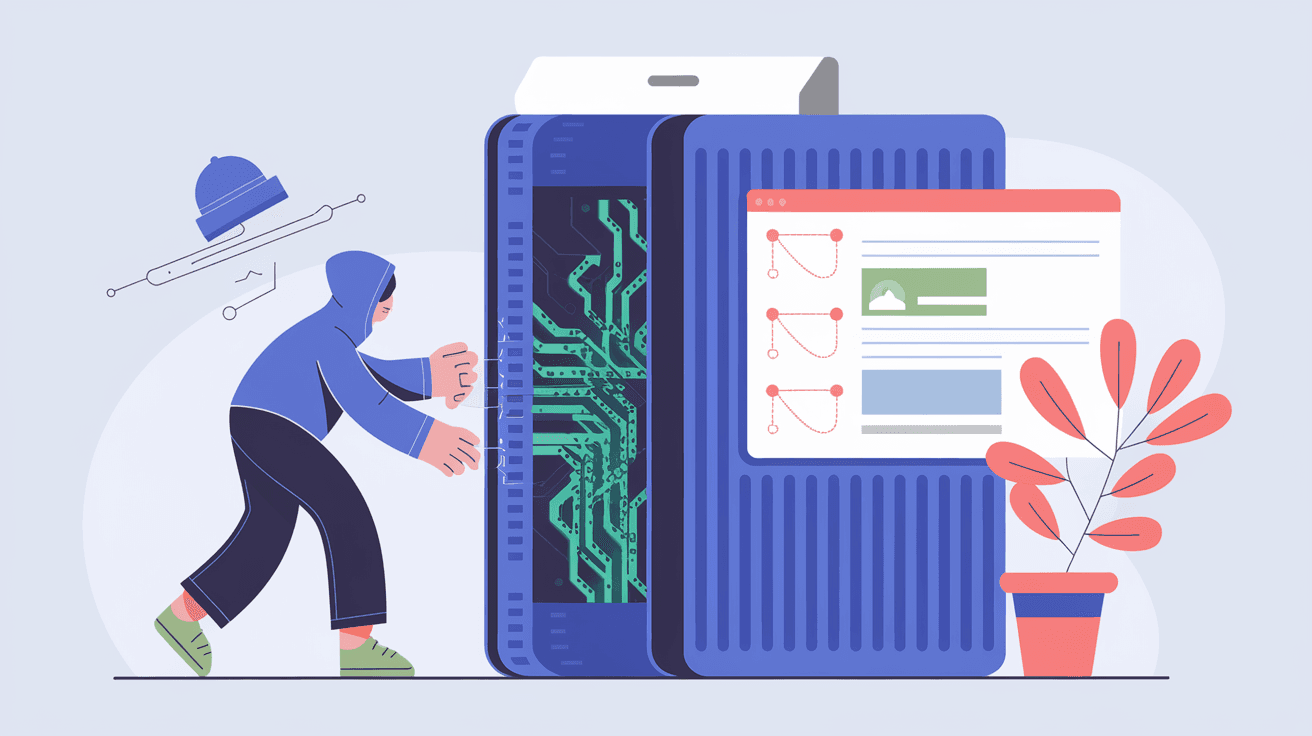
A supply chain attack happens when hackers target less secure parts of a company’s supply network to gain access to the main target. Instead of attacking a company directly, attackers go after suppliers, software developers, or service providers that the company trusts.
How It Works
- Hackers find vulnerabilities in third-party software or hardware.
- They insert malicious code or backdoors into updates or products.
- When the company installs or uses these compromised products, the attackers gain access.
- This access can lead to data theft, system damage, or spying.
Why It’s Dangerous
- Companies rely heavily on third-party vendors.
- It’s hard to detect because the attack comes from trusted sources.
- The impact can be widespread, affecting many organizations at once.
Examples of Supply Chain Attacks
Understanding real-world examples helps you see how serious supply chain attacks can be.
SolarWinds Hack
One of the most famous supply chain attacks happened with SolarWinds, a company that provides network management software. Hackers inserted malicious code into a software update. Thousands of organizations, including government agencies, installed the update, unknowingly giving hackers access to their systems.
NotPetya Attack
In 2017, the NotPetya malware spread through a Ukrainian accounting software update. This attack caused billions of dollars in damage worldwide by disrupting businesses and critical infrastructure.
Kaseya Ransomware Attack
In 2021, hackers exploited vulnerabilities in Kaseya’s software, used by many managed service providers. This allowed ransomware to spread to hundreds of companies, locking their data until a ransom was paid.
Why Are Supply Chain Attacks Increasing?
Several factors explain why supply chain attacks are on the rise.
Growing Complexity of Supply Chains
- Companies use many third-party vendors.
- Software often depends on multiple external libraries and tools.
- More connections mean more chances for attackers to find weak spots.
Increased Use of Cloud Services
Cloud computing makes it easier to share data and software. But it also means that if one cloud provider is compromised, many customers can be affected.
Sophistication of Attackers
Hackers are becoming smarter and more patient. They carefully plan attacks that can stay hidden for months or years.
How to Detect Supply Chain Attacks
Detecting these attacks early is tough but possible with the right strategies.
Monitor Third-Party Software
- Keep track of all software and hardware suppliers.
- Regularly check for unusual behavior or unexpected updates.
Use Threat Intelligence
- Stay informed about new vulnerabilities and attack methods.
- Share information with industry groups and partners.
Implement Security Tools
- Use endpoint detection and response (EDR) tools.
- Employ network monitoring to spot suspicious activity.
How to Prevent Supply Chain Attacks
Prevention is the best defense. Here are some practical steps you can take.
Vet Your Vendors Carefully
- Assess the security practices of all suppliers.
- Require security certifications and regular audits.
Limit Access and Permissions
- Give third parties only the access they need.
- Use multi-factor authentication (MFA) for all accounts.
Keep Software Updated
- Apply patches and updates promptly.
- Use trusted sources for software downloads.
Educate Your Team
- Train employees to recognize phishing and suspicious activity.
- Encourage reporting of any unusual system behavior.
Use Zero Trust Architecture
- Assume no user or device is trustworthy by default.
- Verify every access request before granting permission.
The Role of Regulations and Standards
Governments and organizations are creating rules to improve supply chain security.
Important Regulations
- NIST Cybersecurity Framework: Provides guidelines for managing cybersecurity risks.
- European Union’s NIS2 Directive: Focuses on improving security in critical sectors.
- Cybersecurity Maturity Model Certification (CMMC): Required for U.S. Department of Defense contractors.
Benefits of Compliance
- Helps companies identify and fix security gaps.
- Builds trust with customers and partners.
- Reduces the risk of costly breaches.
What to Do If You Suspect a Supply Chain Attack
If you think your company has been targeted, quick action is crucial.
Immediate Steps
- Isolate affected systems to prevent spread.
- Notify your IT security team and management.
- Contact your vendors to check for known issues.
Investigate and Respond
- Conduct a thorough forensic analysis.
- Identify the source and scope of the attack.
- Remove malicious code and patch vulnerabilities.
Communicate Transparently
- Inform customers and partners if their data is at risk.
- Follow legal requirements for breach notifications.
Conclusion
Supply chain attacks are a growing threat because they exploit trusted relationships between companies and their suppliers. Understanding how these attacks work helps you stay alert and protect your business. By carefully managing your vendors, monitoring software, and following security best practices, you can reduce your risk.
Remember, supply chain security is not just an IT issue—it’s a business priority. Staying informed and prepared will help you defend against these complex attacks and keep your data safe.
FAQs
What is the main goal of a supply chain attack?
The main goal is to gain unauthorized access to a target company by compromising its suppliers or software providers, allowing attackers to steal data, disrupt operations, or install malware.
How can small businesses protect themselves from supply chain attacks?
Small businesses should vet their vendors, keep software updated, limit access permissions, and educate employees about cybersecurity risks to reduce vulnerabilities.
Are supply chain attacks only related to software?
No, supply chain attacks can target both software and hardware components, including devices, firmware, and cloud services used by companies.
How long can a supply chain attack remain undetected?
Some supply chain attacks can stay hidden for months or even years, as attackers carefully avoid detection while gathering information or causing damage.
What role do regulations play in preventing supply chain attacks?
Regulations set security standards and require companies to follow best practices, helping reduce risks and improve overall supply chain security.




