
What is Supplier Security Assessment
Introduction
When you work with suppliers, you trust them to handle your products, data, or services safely. But how do you know if they are secure enough? That’s where a supplier security assessment comes in. It helps you check if your suppliers meet the security standards needed to protect your business.
In this article, I’ll explain what a supplier security assessment is, why it’s important, and how you can perform one. You’ll also learn about the key steps and tools involved. By the end, you’ll feel confident managing supplier risks and keeping your business safe.
What is a Supplier Security Assessment?
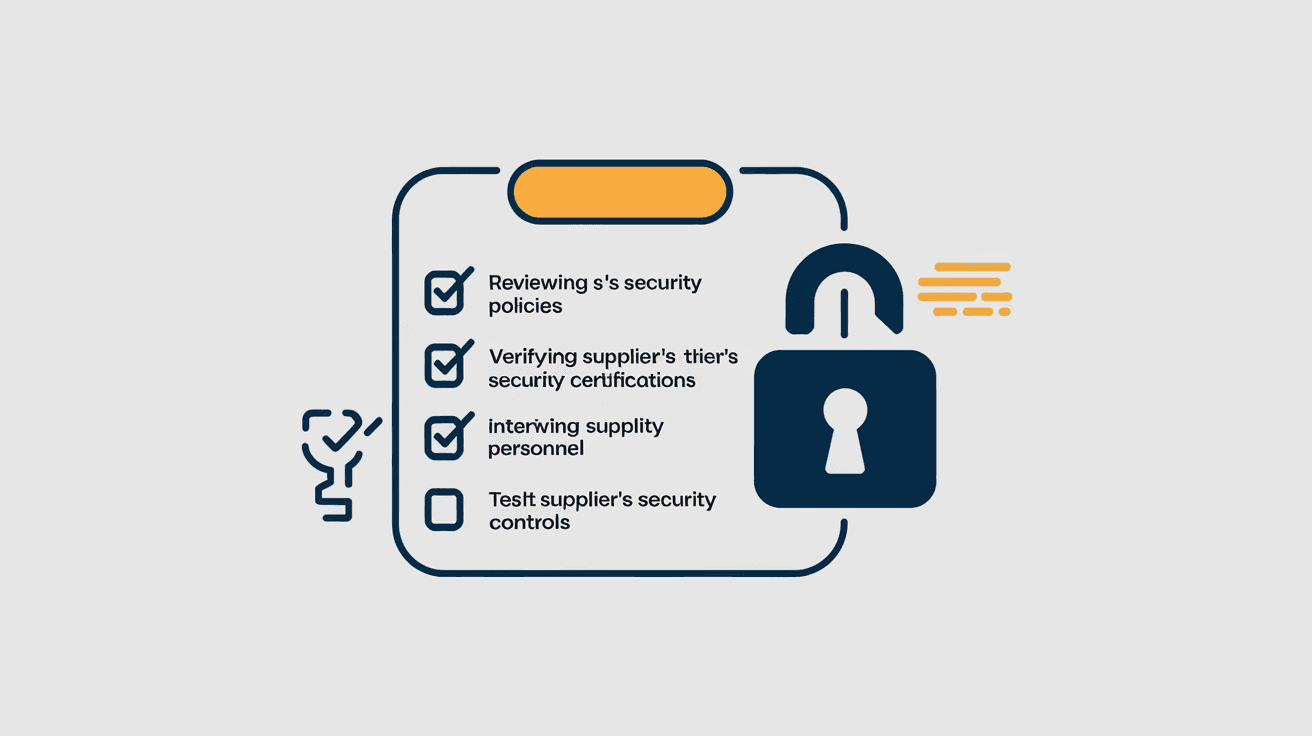
A supplier security assessment is a process where you evaluate the security practices of your suppliers or vendors. The goal is to identify any risks they might pose to your business. This includes checking how they protect data, manage access, and handle potential threats.
This assessment helps you understand if suppliers follow industry standards and legal requirements. It also shows if they have strong controls to prevent breaches or data leaks. Essentially, it’s a way to make sure your suppliers won’t become a weak link in your security chain.
Why It Matters
- Suppliers often have access to sensitive information or systems.
- A security flaw in a supplier can lead to data breaches or operational disruptions.
- Regulations like GDPR and CCPA require businesses to manage third-party risks.
- It builds trust between you and your suppliers.
Key Components of a Supplier Security Assessment
When you assess a supplier’s security, you focus on several important areas. These components give you a clear picture of their security posture.
1. Data Protection
Check how the supplier handles your data. This includes encryption, storage, and transmission methods.
- Do they encrypt data at rest and in transit?
- How do they back up data?
- Are there policies for data retention and deletion?
2. Access Control
Review who can access your information and systems.
- Are there strong authentication methods?
- Is access limited based on roles?
- How is access monitored and logged?
3. Incident Response
Understand how the supplier reacts to security incidents.
- Do they have an incident response plan?
- How quickly do they report breaches?
- What steps do they take to contain threats?
4. Compliance and Certifications
Verify if the supplier complies with relevant laws and standards.
- Do they have certifications like ISO 27001 or SOC 2?
- Are they compliant with data privacy regulations?
- How often do they undergo audits?
5. Physical Security
Assess the physical measures protecting supplier facilities.
- Are there controls to prevent unauthorized access?
- How is equipment secured?
- Are there environmental protections like fire suppression?
How to Conduct a Supplier Security Assessment
Performing a supplier security assessment involves clear steps. You can follow this process to evaluate your suppliers effectively.
Step 1: Identify Critical Suppliers
Start by listing suppliers who have access to sensitive data or systems. Prioritize those with the highest risk.
- Consider the type of data shared.
- Look at the supplier’s role in your operations.
- Focus on suppliers with past security issues.
Step 2: Collect Security Information
Request security documentation from suppliers. This can include policies, certifications, and audit reports.
- Use questionnaires to gather details.
- Ask for evidence of security controls.
- Request recent penetration test results if available.
Step 3: Evaluate Security Posture
Analyze the information to identify gaps or weaknesses.
- Compare supplier controls against your security requirements.
- Look for missing policies or outdated practices.
- Assess the supplier’s ability to handle incidents.
Step 4: Conduct Onsite or Remote Assessments
If needed, perform deeper assessments.
- Schedule onsite visits to inspect physical security.
- Use remote tools to test network security.
- Interview supplier staff about security practices.
Step 5: Report and Decide
Summarize your findings and decide on next steps.
- Share results with internal stakeholders.
- Require suppliers to fix critical issues.
- Consider switching suppliers if risks are too high.
Tools and Technologies for Supplier Security Assessment
Several tools can help you streamline supplier security assessments. These tools automate data collection, risk scoring, and monitoring.
Common Tools Include:
- Vendor Risk Management Platforms: Centralize assessments and track supplier risks.
- Security Questionnaires: Digital forms to gather supplier security info.
- Continuous Monitoring Tools: Track supplier security posture over time.
- Threat Intelligence Services: Provide alerts about supplier vulnerabilities.
Using these tools saves time and improves accuracy. They also help maintain ongoing visibility into supplier security.
Challenges in Supplier Security Assessment
While supplier security assessments are essential, they come with challenges.
Common Issues:
- Lack of Transparency: Suppliers may hesitate to share sensitive security details.
- Complex Supply Chains: Multiple layers of suppliers make assessments harder.
- Resource Constraints: Small businesses may lack staff or tools for thorough assessments.
- Changing Risks: New threats emerge, requiring frequent reassessments.
To overcome these, build strong relationships with suppliers and use automated tools to keep assessments up to date.
Best Practices for Effective Supplier Security Assessment
To get the most from your assessments, follow these best practices.
- Set Clear Security Requirements: Define what you expect from suppliers upfront.
- Use Standardized Questionnaires: Ensure consistency across assessments.
- Prioritize High-Risk Suppliers: Focus efforts where risks are greatest.
- Communicate Openly: Encourage suppliers to share concerns and improvements.
- Review Regularly: Update assessments annually or after major changes.
- Integrate with Procurement: Include security checks in supplier onboarding.
These practices help you build a strong security culture with your suppliers.
Conclusion
A supplier security assessment is a vital step to protect your business from risks outside your direct control. By evaluating your suppliers’ security measures, you reduce the chance of data breaches and operational disruptions. You also ensure compliance with regulations and build trust with your partners.
Remember, supplier security is not a one-time task. It requires ongoing attention, clear communication, and the right tools. When you follow the steps and best practices outlined here, you’ll be better equipped to manage supplier risks and keep your business safe.
FAQs
What is the main goal of a supplier security assessment?
The main goal is to evaluate a supplier’s security controls to identify risks that could affect your business. It ensures suppliers protect data and systems according to your standards.
How often should supplier security assessments be done?
Assessments should be done at least once a year or whenever there are significant changes in the supplier’s environment or your business relationship.
What types of suppliers need security assessments?
Any supplier with access to sensitive data, systems, or critical services should be assessed. This includes IT vendors, cloud providers, and logistics partners.
Can small businesses perform supplier security assessments?
Yes, small businesses can use simplified questionnaires and free or affordable tools to assess supplier security effectively.
What happens if a supplier fails the security assessment?
If a supplier fails, you can ask them to fix issues, increase monitoring, or consider switching to a more secure supplier to protect your business.




