
What is Subnet Segmentation
Introduction
When you’re managing a network, things can get complicated fast. That’s where subnet segmentation comes in. It helps you break down a large network into smaller, manageable parts. This makes your network easier to control and more secure.
In this article, I’ll explain what subnet segmentation is, how it works, and why it’s important. You’ll also learn practical ways to use subnet segmentation to improve your network’s performance and security.
What is Subnet Segmentation?
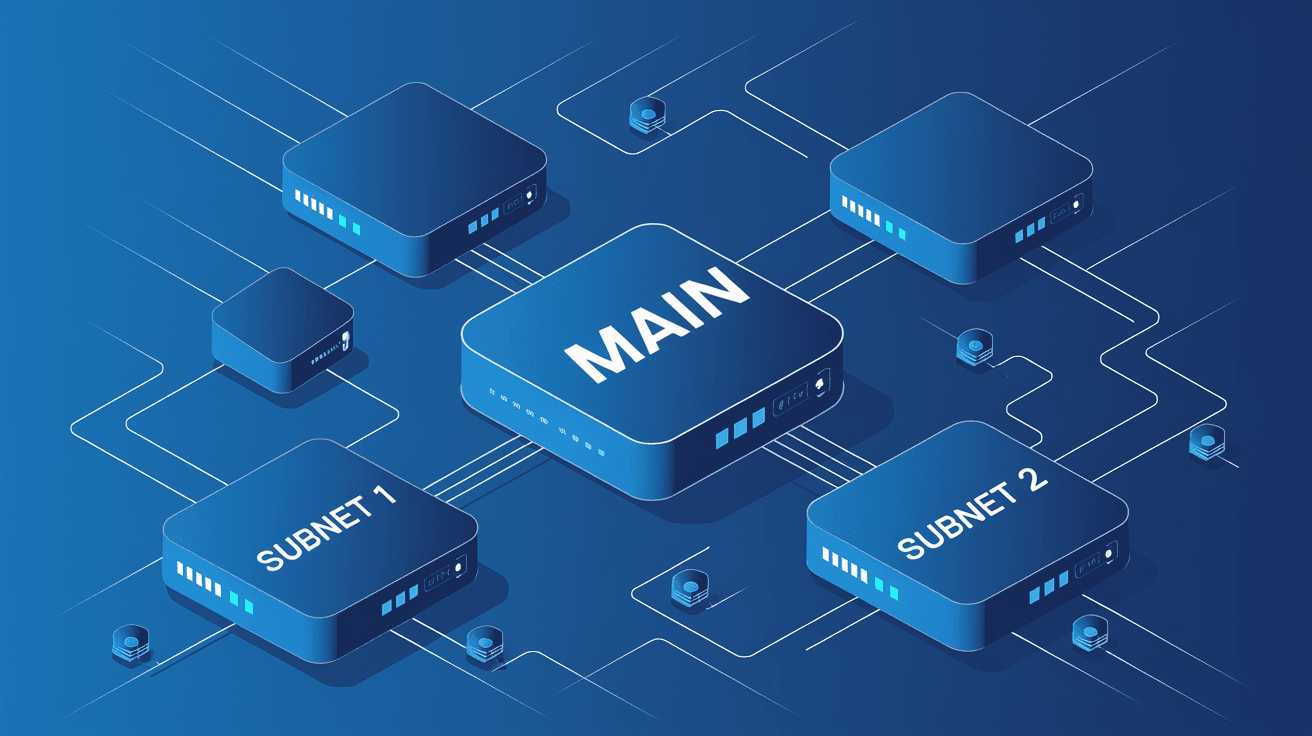
Subnet segmentation is the process of dividing a large network into smaller subnetworks, or subnets. Each subnet acts like its own mini-network within the bigger network. This helps organize devices and traffic more efficiently.
Think of it like splitting a big city into neighborhoods. Each neighborhood has its own streets and houses, making it easier to manage and navigate. In networking, subnets help reduce congestion and improve communication between devices.
Why Do We Use Subnet Segmentation?
- Improves network performance: Smaller subnets reduce traffic congestion.
- Enhances security: Limits access between different parts of the network.
- Simplifies management: Easier to monitor and troubleshoot.
- Efficient IP address use: Helps avoid wasting IP addresses.
How Does Subnet Segmentation Work?
Subnet segmentation works by using a subnet mask. This mask divides an IP address into two parts: the network portion and the host portion. The network portion identifies the subnet, while the host portion identifies devices within that subnet.
For example, in IPv4, an IP address looks like this: 192.168.1.0. A subnet mask like 255.255.255.0 tells the network which part is the subnet and which part is the host.
Key Components of Subnet Segmentation
- IP Address: Unique identifier for each device.
- Subnet Mask: Defines the size of the subnet.
- Network ID: Identifies the subnet.
- Host ID: Identifies devices within the subnet.
Example of Subnetting
If you have a network 192.168.1.0 with a subnet mask of 255.255.255.0, you can create smaller subnets by changing the mask to 255.255.255.192. This splits the network into four subnets, each with 62 usable IP addresses.
Benefits of Subnet Segmentation
Subnet segmentation offers many advantages for network administrators and users alike.
1. Better Network Performance
By dividing a large network into smaller subnets, you reduce the amount of broadcast traffic. This means devices don’t have to process unnecessary data, which speeds up communication.
2. Increased Security
Subnet segmentation allows you to isolate sensitive parts of your network. For example, you can separate your finance department’s computers from the rest of the company. This limits the risk of unauthorized access.
3. Easier Troubleshooting and Management
When problems arise, subnet segmentation helps you pinpoint issues faster. Since each subnet is smaller, it’s easier to monitor traffic and identify where problems occur.
4. Efficient Use of IP Addresses
Subnetting helps you allocate IP addresses based on actual needs. This prevents wasting addresses and makes your network more scalable.
Types of Subnet Segmentation
There are different ways to segment a network depending on your needs.
Static Subnetting
This method uses fixed subnet masks and IP ranges. It’s simple and works well for small networks with predictable traffic.
Dynamic Subnetting
Dynamic subnetting adjusts subnet sizes based on demand. It uses protocols like DHCP to assign IP addresses automatically. This is useful for larger, changing networks.
VLAN-Based Segmentation
Virtual LANs (VLANs) create logical subnets within the same physical network. VLANs improve security and performance by grouping devices based on function or department.
How to Plan Subnet Segmentation
Planning is key to effective subnet segmentation. Here’s how you can approach it:
- Assess your network size: Count the number of devices and growth potential.
- Define subnet goals: Decide if you want to improve security, performance, or both.
- Choose subnet sizes: Use subnet masks that fit your device count.
- Map out IP ranges: Assign IP ranges to each subnet logically.
- Implement routing: Set up routers or layer 3 switches to manage traffic between subnets.
Tools and Technologies for Subnet Segmentation
Several tools help you design and manage subnet segmentation.
- Subnet Calculators: Help you determine subnet masks and IP ranges.
- Network Management Software: Monitors subnet traffic and health.
- Routers and Switches: Devices that enforce subnet boundaries and route traffic.
- Firewalls: Control access between subnets for security.
Common Challenges in Subnet Segmentation
While subnet segmentation is powerful, it comes with challenges.
Complexity in Large Networks
Managing many subnets can get complicated. You need clear documentation and good tools to avoid confusion.
Routing Overhead
Routing traffic between subnets adds overhead. Poorly configured routing can slow down communication.
IP Address Planning Mistakes
Incorrect subnet sizing can waste IP addresses or cause shortages. Careful planning is essential.
Real-World Examples of Subnet Segmentation
Many organizations use subnet segmentation to improve their networks.
- Corporate Networks: Separate departments like HR, Finance, and IT into different subnets.
- Schools: Create subnets for students, staff, and guests to control access.
- Data Centers: Use subnetting to isolate servers and storage systems for security.
Conclusion
Subnet segmentation is a smart way to organize and protect your network. By breaking a large network into smaller parts, you improve performance, security, and management. Whether you run a small office or a large enterprise, subnet segmentation helps you keep your network running smoothly.
Planning your subnet segmentation carefully and using the right tools will make a big difference. It’s a fundamental skill for anyone managing modern networks, and it’s worth mastering.
FAQs
What is the main purpose of subnet segmentation?
Subnet segmentation divides a large network into smaller parts to improve performance, security, and management. It helps control traffic and isolate sensitive areas.
How does a subnet mask work?
A subnet mask separates the IP address into network and host parts. It tells devices which part of the address identifies the subnet and which part identifies individual devices.
Can subnet segmentation improve network security?
Yes, subnet segmentation limits access between different parts of the network. This isolation helps protect sensitive data and reduces the risk of attacks.
What devices are used in subnet segmentation?
Routers, switches, and firewalls are commonly used to create and manage subnets. They control traffic flow and enforce subnet boundaries.
Is subnet segmentation necessary for small networks?
While not always required, subnet segmentation can still benefit small networks by organizing devices and improving security. It’s especially useful as the network grows.




