
What is SSL Inspection Proxy
Introduction
You might have heard about SSL Inspection Proxy but wondered what it really means and why it’s important. In simple terms, it’s a tool that helps organizations keep their networks safe by checking encrypted internet traffic. Since most websites use SSL or TLS encryption, this tool plays a key role in spotting threats hidden inside secure connections.
In this article, I’ll explain what an SSL Inspection Proxy is, how it works, and why it matters for your online security. Whether you’re a business owner, IT professional, or just curious, understanding this technology can help you make smarter decisions about protecting your data.
What is an SSL Inspection Proxy?
An SSL Inspection Proxy is a security tool that intercepts and examines encrypted internet traffic. Normally, SSL (Secure Sockets Layer) or TLS (Transport Layer Security) encrypts data between your browser and a website. This encryption keeps your information private but also hides it from security tools.
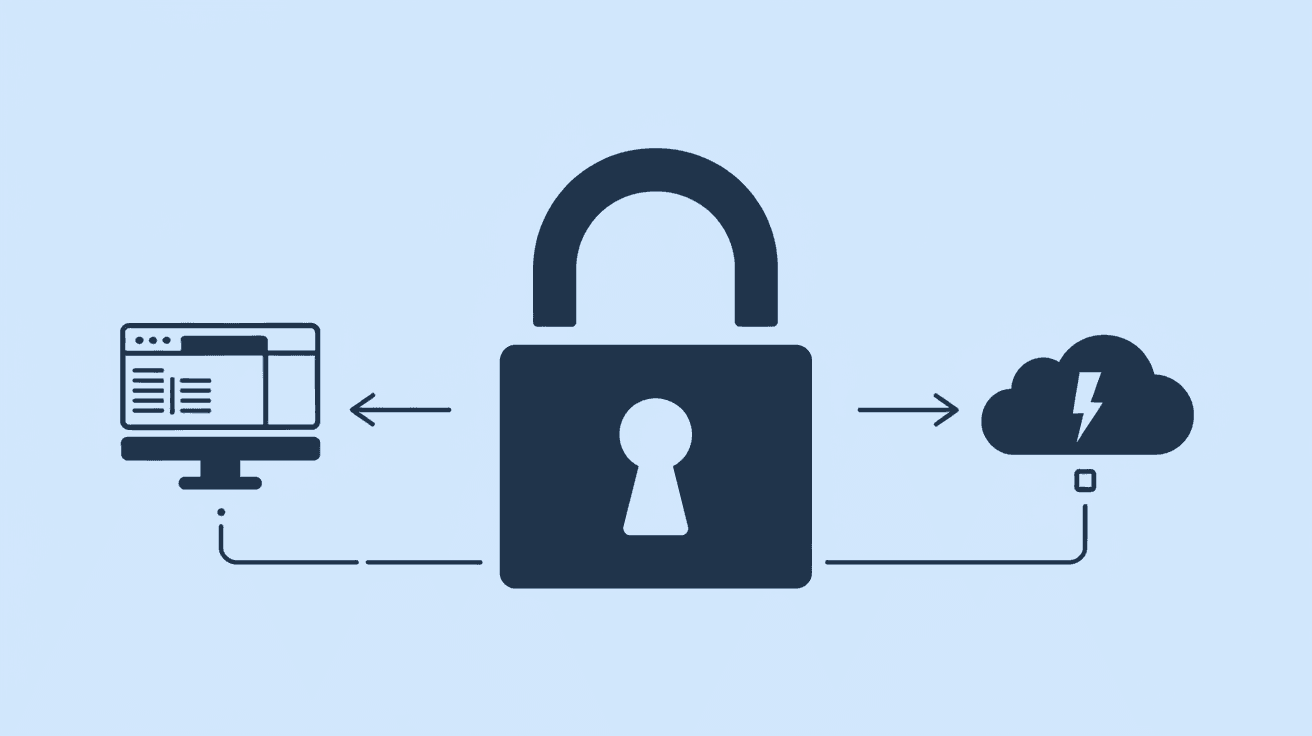
The SSL Inspection Proxy acts like a middleman. It decrypts the encrypted data, inspects it for threats like malware or data leaks, and then re-encrypts it before sending it on. This way, organizations can monitor secure traffic without breaking encryption.
Why is SSL Inspection Needed?
- Most websites use HTTPS, which encrypts data.
- Traditional security tools can’t see inside encrypted traffic.
- Cybercriminals hide malware or phishing attacks inside encrypted connections.
- SSL Inspection Proxy helps detect these hidden threats.
How Does SSL Inspection Proxy Work?
The process involves several steps to safely inspect encrypted traffic without compromising security.
- Intercepting Traffic: The proxy captures the encrypted data between your device and the website.
- Decrypting Data: It uses a trusted certificate to decrypt the SSL/TLS traffic.
- Inspecting Content: The proxy scans the decrypted data for malware, viruses, or suspicious activity.
- Re-encrypting Data: After inspection, the data is encrypted again.
- Forwarding Traffic: The proxy sends the secure data to its original destination.
Key Components
- Proxy Server: Acts as the middleman for traffic.
- Trusted Certificates: Installed on client devices to avoid security warnings.
- Inspection Engine: Scans decrypted data for threats.
- Policy Controls: Define what traffic to inspect or bypass.
Benefits of Using an SSL Inspection Proxy
Using an SSL Inspection Proxy brings several advantages, especially for businesses and organizations.
- Improved Security: Detects threats hidden in encrypted traffic.
- Data Loss Prevention: Stops sensitive data from leaving the network.
- Compliance: Helps meet regulatory requirements by monitoring traffic.
- Visibility: Provides insight into encrypted traffic patterns.
- Control: Allows blocking or allowing specific websites or content.
Challenges and Concerns
While SSL Inspection Proxy is powerful, it also comes with challenges.
Privacy Issues
Inspecting encrypted traffic means decrypting private data, which can raise privacy concerns. Organizations must balance security with respecting user privacy.
Performance Impact
Decrypting and inspecting traffic requires processing power, which can slow down network speed if not managed well.
Certificate Management
Installing trusted certificates on all devices is necessary to avoid browser warnings, but this can be complex in large environments.
Legal and Ethical Considerations
Some regions have strict laws about intercepting encrypted communications. Organizations must ensure compliance with local regulations.
Common Use Cases for SSL Inspection Proxy
SSL Inspection Proxy is widely used in various scenarios to enhance security.
- Corporate Networks: To monitor employee internet use and block malicious sites.
- Educational Institutions: To protect students from harmful content.
- Government Agencies: To secure sensitive communications.
- Cloud Security: Inspecting traffic between cloud services and users.
- Managed Security Services: Offering SSL inspection as part of security solutions.
How to Implement SSL Inspection Proxy
Implementing SSL Inspection Proxy requires careful planning and execution.
Steps to Deploy
- Assess Needs: Identify what traffic needs inspection.
- Choose the Right Solution: Select a proxy that fits your environment.
- Install Certificates: Deploy trusted certificates on client devices.
- Configure Policies: Define inspection rules and exceptions.
- Test Thoroughly: Ensure no disruption to user experience.
- Monitor and Update: Regularly check performance and update certificates.
Best Practices
- Use selective inspection to avoid unnecessary overhead.
- Inform users about inspection policies to maintain transparency.
- Keep proxy software updated to handle new encryption standards.
- Combine with other security tools for layered defense.
Alternatives to SSL Inspection Proxy
If SSL Inspection Proxy isn’t suitable, there are other ways to secure encrypted traffic.
- Endpoint Security: Protect devices directly without inspecting traffic.
- DNS Filtering: Block malicious domains before connection.
- Zero Trust Networks: Limit access based on strict identity verification.
- Encrypted Traffic Analysis: Use metadata and traffic patterns without decryption.
Each method has pros and cons, and often a combination works best.
Conclusion
Understanding what an SSL Inspection Proxy is can help you see how organizations protect themselves in a world where most internet traffic is encrypted. This tool decrypts and inspects secure data to catch hidden threats, making it a vital part of modern cybersecurity.
While it offers many benefits like improved security and compliance, it also requires careful handling to address privacy and performance concerns. By knowing how SSL Inspection Proxy works and its role, you can better appreciate the balance between security and privacy in today’s digital landscape.
FAQs
What is the difference between SSL and TLS?
SSL (Secure Sockets Layer) is an older encryption protocol, while TLS (Transport Layer Security) is its modern, more secure successor. Today, TLS is the standard for encrypting internet traffic.
Can SSL Inspection Proxy cause privacy issues?
Yes, because it decrypts encrypted data, it can expose private information. Organizations must handle this carefully and follow privacy laws.
Does SSL Inspection Proxy slow down internet speed?
It can, since decrypting and inspecting traffic uses extra processing power. Proper hardware and selective inspection help minimize slowdowns.
Is SSL Inspection Proxy legal?
Its legality depends on local laws and regulations. Organizations should ensure compliance before implementing it.
How do users avoid browser warnings with SSL Inspection Proxy?
By installing trusted certificates from the proxy on client devices, browsers recognize the proxy as a trusted party and avoid security warnings.




