
What is Spyware
Introduction
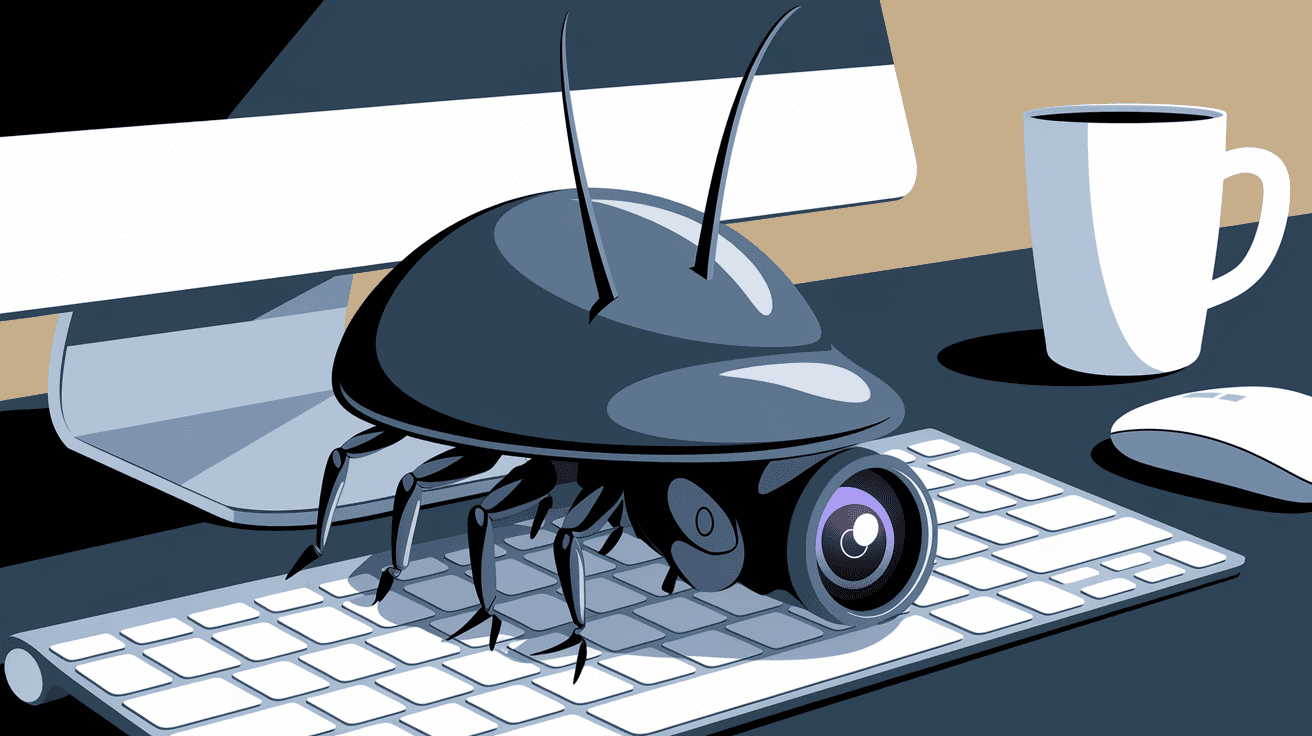
You might have heard the term "spyware" but wonder what it really means and why it matters to you. Spyware is a type of software that secretly collects information from your device without your permission. It can track your activities, steal personal data, and even harm your privacy.
In this article, I’ll explain what spyware is, how it works, and how you can protect yourself. Understanding spyware helps you stay safe in today’s digital world where your personal information is valuable and vulnerable.
What Is Spyware?
Spyware is a kind of malicious software designed to spy on you. It hides on your computer, smartphone, or tablet and gathers information without your knowledge. Unlike viruses that damage files or slow down your device, spyware focuses on collecting data secretly.
How Spyware Works
Spyware often sneaks into your device through downloads, email attachments, or infected websites. Once installed, it can:
- Monitor your browsing habits
- Record keystrokes to capture passwords
- Track your location using GPS
- Access your contacts and messages
- Collect credit card or banking details
This information is then sent back to the attacker, who can misuse it for fraud, identity theft, or selling it to third parties.
Types of Spyware
Spyware comes in various forms, each with specific goals and methods. Here are the most common types:
- Adware: Displays unwanted ads based on your browsing history. It’s less harmful but annoying.
- Keyloggers: Record every key you press, capturing passwords and private messages.
- Tracking Cookies: Small files that follow your online behavior to build a profile for advertisers.
- System Monitors: Spy on your activities and send detailed reports to hackers.
- Trojan Spyware: Disguised as legitimate software but secretly spies on your device.
Knowing these types helps you recognize suspicious behavior on your device.
How Spyware Infects Your Device
Spyware can enter your device in many ways. Here are the most common infection methods:
- Free Software Downloads: Some free apps bundle spyware without telling you.
- Email Attachments: Opening unknown attachments can install spyware.
- Phishing Links: Clicking on fake links in emails or messages leads to spyware downloads.
- Infected Websites: Visiting unsafe websites can trigger automatic spyware installation.
- Software Vulnerabilities: Outdated software can be exploited to install spyware.
Being cautious about what you download and click is key to avoiding spyware infections.
Signs Your Device Might Have Spyware
You might not notice spyware immediately, but some signs can alert you:
- Your device runs slower than usual.
- Unexpected pop-up ads appear frequently.
- Your internet connection is unusually slow.
- Programs open or close on their own.
- Battery drains faster than normal.
- You notice strange files or processes running.
If you see these signs, it’s a good idea to scan your device for spyware.
How to Detect Spyware
Detecting spyware can be tricky because it hides well. Here are some ways to find it:
- Use Anti-Spyware Software: Tools like Malwarebytes or Spybot Search & Destroy scan and remove spyware.
- Check Running Processes: Look for unknown or suspicious programs in your task manager.
- Monitor Network Activity: Unusual data usage might indicate spyware sending information.
- Keep Software Updated: Updates often patch security holes that spyware exploits.
Regular checks help you catch spyware before it causes serious damage.
How to Remove Spyware
If you find spyware on your device, removing it quickly is important. Here’s how:
- Run a Full Scan: Use trusted anti-spyware or antivirus software to scan and clean your device.
- Delete Suspicious Programs: Uninstall unknown or recently installed apps.
- Reset Your Browser: Clear cookies, cache, and reset settings to remove tracking cookies.
- Update Your Operating System: Ensure your device has the latest security patches.
- Change Passwords: After removal, change passwords for your accounts to prevent misuse.
Following these steps helps restore your device’s security.
How to Prevent Spyware Infections
Prevention is better than cure. Here are practical tips to keep spyware away:
- Download Software from Official Sources: Avoid third-party sites that might bundle spyware.
- Be Careful with Email Attachments: Don’t open files from unknown senders.
- Use Strong Passwords: Protect accounts with complex passwords and two-factor authentication.
- Keep Your Software Updated: Regular updates fix vulnerabilities.
- Install Reliable Security Software: Use antivirus and anti-spyware tools with real-time protection.
- Avoid Clicking Suspicious Links: Be cautious with links in emails or messages.
- Regularly Back Up Data: In case of infection, backups help you restore important files.
These habits reduce your risk of spyware and other malware.
The Impact of Spyware on Privacy and Security
Spyware threatens your privacy by exposing sensitive information. It can lead to:
- Identity Theft: Hackers use stolen data to impersonate you.
- Financial Loss: Access to banking details can result in unauthorized transactions.
- Data Breaches: Personal or business data can be leaked.
- Loss of Trust: If your device is compromised, it affects your reputation.
- Legal Issues: Businesses failing to protect customer data may face penalties.
Understanding these risks motivates you to take spyware seriously.
Spyware in the Mobile World
Smartphones are prime targets for spyware because they hold so much personal data. Mobile spyware can:
- Track your calls and messages
- Access your camera and microphone
- Monitor your location constantly
- Steal login credentials for apps
Mobile spyware often spreads through fake apps or malicious links. Protect your phone by:
- Installing apps only from official stores
- Checking app permissions carefully
- Using mobile security apps
- Avoiding public Wi-Fi for sensitive transactions
Mobile spyware is a growing threat, so vigilance is essential.
Legal and Ethical Issues Around Spyware
Spyware raises serious legal and ethical questions. In many countries, installing spyware without consent is illegal. However, some spyware is used by employers to monitor employees or by parents to track children.
- Legal Use: Parental control apps and authorized monitoring tools.
- Illegal Use: Spying on someone without permission, hacking, or stealing data.
Always ensure you respect privacy laws and ethical boundaries when dealing with spyware.
Conclusion
Spyware is a hidden threat that invades your privacy and security. It collects your personal information without your knowledge and can cause serious harm. By understanding what spyware is and how it works, you can better protect yourself.
Taking simple steps like using trusted software, avoiding suspicious downloads, and keeping your devices updated helps keep spyware at bay. Staying informed and cautious is your best defense in the digital world.
FAQs
What is the main purpose of spyware?
Spyware’s main purpose is to secretly collect information from your device, such as passwords, browsing habits, and personal data, without your consent.
How can I tell if my computer has spyware?
Signs include slow performance, unexpected pop-ups, unusual network activity, and programs opening or closing on their own.
Is spyware the same as a virus?
No, spyware focuses on spying and stealing data, while viruses usually damage files or disrupt your device’s operation.
Can antivirus software detect spyware?
Yes, most modern antivirus programs include spyware detection and removal features.
How do I protect my smartphone from spyware?
Install apps only from official stores, review app permissions, use mobile security apps, and avoid clicking unknown links or using public Wi-Fi for sensitive tasks.




