
What is Spear Phishing
Introduction
You’ve probably heard about phishing, but spear phishing is a more targeted and dangerous form of this cyber threat. Unlike regular phishing, spear phishing focuses on specific individuals or organizations. This makes it harder to spot and more likely to succeed.
In this article, I’ll explain what spear phishing is, how attackers use it, and what you can do to protect yourself. Understanding this threat is key to staying safe online, especially as cybercriminals become more sophisticated.
What Is Spear Phishing?
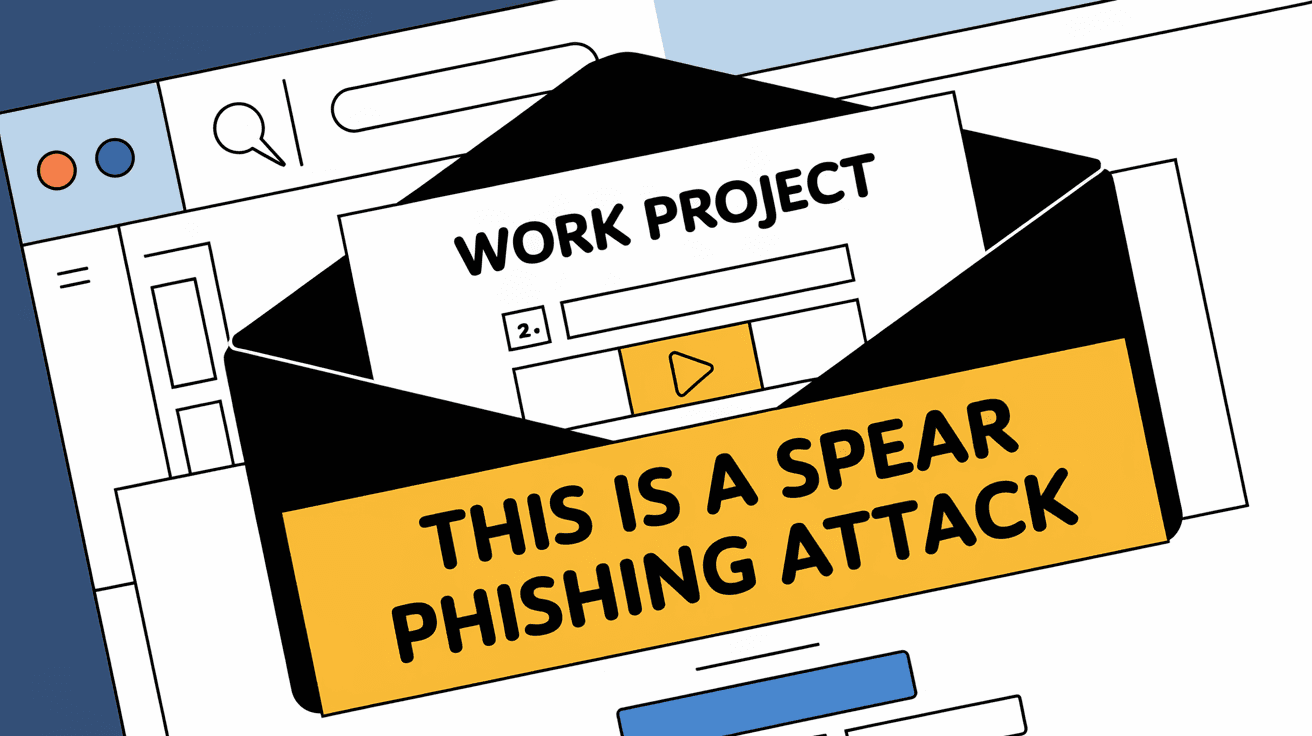
Spear phishing is a type of cyber attack where criminals send personalized emails or messages to trick specific people into revealing sensitive information. Unlike broad phishing scams that target many people, spear phishing targets a particular individual or group.
- The attacker researches the victim to make the message believable.
- Messages often look like they come from a trusted source, such as a coworker or boss.
- The goal is to steal login credentials, financial information, or install malware.
Because spear phishing is so focused, it’s much harder to detect than general phishing scams. Attackers use details about the victim’s job, interests, or contacts to make their messages convincing.
How Spear Phishing Works
Spear phishing attacks follow a few key steps:
- Research: The attacker gathers information about the target from social media, company websites, or leaked data.
- Crafting the Message: Using the collected info, the attacker creates a personalized email or message.
- Delivery: The message is sent, often appearing to come from a trusted person or organization.
- Action: The victim is tricked into clicking a malicious link, opening an infected attachment, or sharing confidential data.
- Exploitation: The attacker uses the stolen information to commit fraud, steal money, or gain unauthorized access.
This process makes spear phishing very effective. The attacker’s knowledge of the victim’s habits and relationships increases the chances of success.
Common Spear Phishing Techniques
Attackers use various techniques to make spear phishing emails convincing:
- Email Spoofing: Making the sender’s address look like it’s from a legitimate source.
- Urgency and Fear: Messages often create a sense of urgency, like a fake security alert or deadline.
- Impersonation: Pretending to be a boss, colleague, or trusted company.
- Malicious Links or Attachments: Including harmful files or links that install malware or steal data.
- Social Engineering: Using psychological tricks to manipulate the victim.
These tactics work together to lower the victim’s guard and increase the chance they’ll fall for the scam.
Real-World Examples of Spear Phishing
Spear phishing has been behind many high-profile cyber attacks:
- The 2016 Democratic National Committee Hack: Attackers sent spear phishing emails to gain access to sensitive political information.
- Business Email Compromise (BEC) Scams: Criminals impersonate executives to trick employees into transferring money.
- Targeted Attacks on Healthcare: Hackers use spear phishing to steal patient data or disrupt hospital operations.
These examples show how spear phishing can cause serious damage to individuals and organizations.
How to Recognize Spear Phishing Attempts
Spotting spear phishing can be tricky, but there are signs to watch for:
- Unexpected emails from known contacts asking for sensitive info.
- Messages with spelling or grammar mistakes.
- Requests to bypass normal procedures or act urgently.
- Links or attachments that seem out of place.
- Emails that don’t match the usual style of the sender.
If you notice any of these, it’s best to verify the message by contacting the sender directly through another channel.
Protecting Yourself from Spear Phishing
You can take several steps to reduce your risk of falling victim to spear phishing:
- Be Skeptical: Always question unexpected requests for sensitive information.
- Verify Requests: Contact the person or company directly using known contact details.
- Use Strong Passwords: Avoid reusing passwords and enable two-factor authentication.
- Keep Software Updated: Regular updates patch security vulnerabilities.
- Educate Yourself and Others: Learn about phishing tactics and share knowledge with coworkers or family.
- Use Email Filters: Many email services offer filters that detect and block phishing attempts.
These actions create multiple layers of defense against spear phishing attacks.
The Role of Organizations in Preventing Spear Phishing
Companies play a crucial role in protecting their employees and data:
- Employee Training: Regular sessions on recognizing phishing and safe online behavior.
- Email Security Tools: Implementing advanced filters and threat detection systems.
- Incident Response Plans: Having clear procedures for reporting and responding to phishing attempts.
- Access Controls: Limiting sensitive data access to only those who need it.
- Regular Security Audits: Checking for vulnerabilities and improving defenses.
By investing in these measures, organizations can reduce the risk and impact of spear phishing.
The Future of Spear Phishing
As technology evolves, spear phishing attacks are becoming more sophisticated:
- AI-Powered Attacks: Attackers use artificial intelligence to craft even more convincing messages.
- Deepfake Audio and Video: Fake voices or videos impersonate trusted individuals.
- Multi-Channel Attacks: Combining email with social media or phone calls to increase success.
- Targeting Remote Workers: With more people working from home, attackers exploit weaker home network security.
Staying informed and adapting your defenses is essential to keep up with these evolving threats.
Conclusion
Spear phishing is a serious cyber threat that targets individuals and organizations with personalized attacks. Because these scams are tailored and convincing, they can easily trick even cautious users. Understanding how spear phishing works and recognizing its signs can help you stay safe.
By adopting good security habits and using the right tools, you can protect yourself from falling victim to spear phishing. Whether you’re an individual or part of a company, staying alert and informed is your best defense against these targeted cyber attacks.
FAQs
What is the difference between phishing and spear phishing?
Phishing targets many people with generic messages, while spear phishing focuses on specific individuals using personalized information to increase the chance of success.
How can I verify if an email is a spear phishing attempt?
Check for unexpected requests, spelling errors, urgent language, and verify the sender by contacting them through a different channel before responding.
What should I do if I think I received a spear phishing email?
Do not click any links or open attachments. Report the email to your IT department or email provider and delete it.
Can spear phishing attacks be prevented completely?
While no method is foolproof, combining education, strong security practices, and technology greatly reduces the risk of successful attacks.
Why are spear phishing attacks so effective?
They use detailed personal information and impersonation, making the messages believable and increasing the chance victims will trust and respond.




