
What is Source Code Audit Policy
Introduction
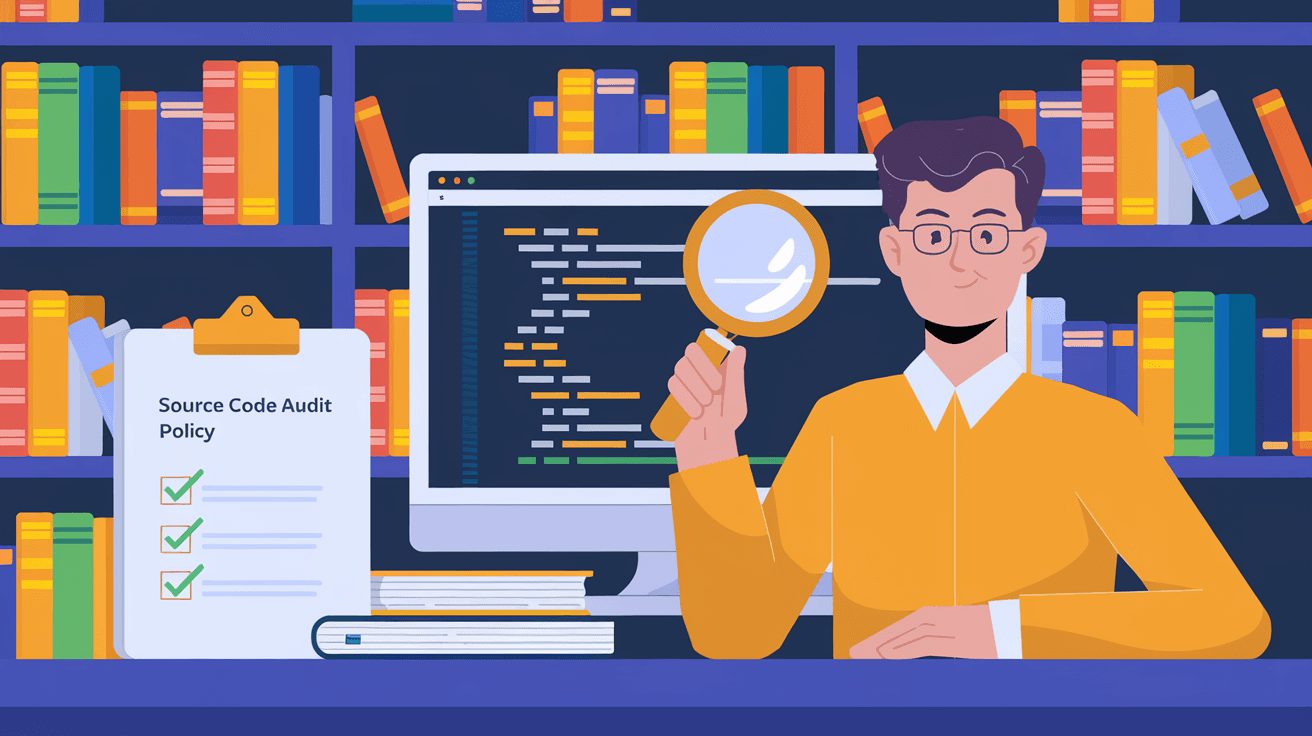
When you develop software, ensuring its security and quality is crucial. One way to achieve this is through a source code audit policy. This policy guides how your team reviews and checks the code to catch bugs, vulnerabilities, and compliance issues early.
You might wonder, what exactly is a source code audit policy? In this article, I’ll explain what it means, why it’s important, and how you can create one that fits your project or organization. By the end, you’ll understand how this policy helps keep your software safe and reliable.
What is a Source Code Audit Policy?
A source code audit policy is a formal set of rules and procedures for reviewing software code. It defines how, when, and by whom the code should be examined to find errors, security flaws, or violations of coding standards.
This policy acts as a roadmap for developers and auditors, ensuring consistent and thorough inspections. It helps maintain code quality and reduces risks before the software reaches users.
Key Elements of a Source Code Audit Policy
- Scope: Specifies which parts of the codebase need auditing.
- Frequency: Defines how often audits occur (e.g., before releases).
- Roles and Responsibilities: Identifies who performs audits and who approves changes.
- Tools and Techniques: Lists software or manual methods used for auditing.
- Reporting: Details how findings are documented and communicated.
- Compliance: Ensures adherence to industry standards or regulations.
By having these elements clearly outlined, your team can follow a structured approach to code review.
Why is a Source Code Audit Policy Important?
You might think code reviews happen naturally during development, but a formal policy brings many benefits:
- Improves Security: Audits catch vulnerabilities like SQL injection or buffer overflows early.
- Enhances Code Quality: Detects bugs and enforces coding standards.
- Ensures Compliance: Helps meet legal or industry requirements, such as GDPR or PCI-DSS.
- Reduces Costs: Fixing issues early saves time and money compared to post-release patches.
- Builds Accountability: Clear roles mean everyone knows their responsibilities.
In today’s world, where cyberattacks are common, having a strong audit policy is a smart defense.
How to Create an Effective Source Code Audit Policy
Creating a policy might seem overwhelming, but breaking it down into steps makes it manageable.
1. Define the Purpose and Scope
Start by clarifying why you need the policy. Is it for security, quality, or compliance? Decide which projects or code modules the policy covers.
2. Assign Roles and Responsibilities
Identify who will perform audits. This could be internal developers, dedicated security teams, or external experts. Define who reviews audit reports and approves fixes.
3. Choose Audit Methods and Tools
Decide on manual code reviews, automated scanning tools, or a combination. Popular tools include static application security testing (SAST) software like SonarQube or Checkmarx.
4. Set Audit Frequency and Triggers
Determine when audits happen. Common triggers include before major releases, after significant code changes, or on a regular schedule.
5. Develop Reporting and Follow-Up Procedures
Create templates for audit reports. Define how findings are tracked, prioritized, and resolved. Ensure there’s a feedback loop to improve future audits.
6. Train Your Team
Educate developers and auditors on the policy and tools. Regular training keeps everyone updated on best practices.
Common Tools Used in Source Code Audits
Using the right tools can make audits more efficient and accurate. Here are some widely used options:
| Tool Name | Type | Key Features |
| SonarQube | Static Code Analysis | Detects bugs, vulnerabilities, code smells |
| Checkmarx | SAST | Comprehensive security scanning |
| Veracode | Cloud-based SAST | Integrates with CI/CD pipelines |
| Fortify | Static and Dynamic | Supports multiple languages |
| GitHub Code Scanning | Integrated in GitHub | Automated scanning during pull requests |
These tools help automate parts of the audit, but manual review remains essential for context and logic checks.
Best Practices for Implementing a Source Code Audit Policy
To get the most out of your policy, consider these tips:
- Integrate with Development Workflow: Embed audits into your CI/CD pipeline for continuous checks.
- Prioritize High-Risk Areas: Focus audits on critical modules or new features.
- Keep Documentation Updated: Regularly revise the policy to reflect changes in technology or regulations.
- Encourage Collaboration: Promote open communication between developers and auditors.
- Use Metrics: Track audit results to measure improvements over time.
Following these practices ensures your policy stays effective and relevant.
Challenges in Source Code Auditing and How to Overcome Them
Auditing code isn’t always easy. You might face:
- Resource Constraints: Limited time or skilled personnel.
- Complex Codebases: Large or legacy systems are harder to audit.
- False Positives: Automated tools may flag harmless code.
- Resistance to Change: Developers may see audits as extra work.
To overcome these:
- Prioritize audits based on risk and impact.
- Use a mix of automated and manual reviews.
- Train teams on the value of audits.
- Allocate dedicated time for audits in project plans.
Addressing these challenges helps maintain a smooth audit process.
How Source Code Audit Policy Supports Compliance
Many industries require software to meet specific standards. A source code audit policy helps by:
- Ensuring secure coding practices.
- Documenting audit trails for regulators.
- Identifying and fixing compliance gaps early.
- Supporting certifications like ISO 27001 or SOC 2.
By aligning your policy with these standards, you reduce legal risks and build customer trust.
Conclusion
A source code audit policy is essential for any software project aiming for security, quality, and compliance. It provides a clear framework for reviewing code systematically, catching issues before they cause harm.
By defining roles, choosing the right tools, and setting regular audits, you create a safer development environment. Remember, the policy is a living document—keep it updated and involve your team to make it truly effective. With a solid audit policy, you protect your software and users from costly problems down the road.
FAQs
What is the main goal of a source code audit policy?
The main goal is to establish clear rules for reviewing code to find bugs, security flaws, and ensure compliance with standards before software release.
How often should source code audits be performed?
Audits should happen regularly, such as before major releases, after significant changes, or on a scheduled basis like monthly or quarterly.
Can automated tools replace manual code reviews?
No, automated tools help find common issues quickly, but manual reviews are needed for deeper logic checks and context understanding.
Who is responsible for conducting source code audits?
Typically, developers, security teams, or external auditors perform audits, with defined roles for reviewing and approving findings.
How does a source code audit policy improve software security?
It ensures systematic checks for vulnerabilities, enforces secure coding practices, and helps fix issues early, reducing the risk of cyberattacks.




