What is SOC (Security Operations Center) Platform
Introduction
You might have heard the term SOC platform when reading about cybersecurity. But what exactly is it, and why is it important? A SOC platform is a powerful tool that helps organizations detect, analyze, and respond to cyber threats quickly and efficiently. If you want to protect your business from cyberattacks, understanding SOC platforms is a great place to start.
In this article, I’ll explain what a SOC platform is, how it works, and why it’s a key part of modern security operations. Whether you’re new to cybersecurity or looking to improve your security setup, this guide will help you grasp the essentials of SOC platforms.
What is a SOC Platform?
A SOC platform, or Security Operations Center platform, is a centralized software system designed to support the work of a Security Operations Center team. The SOC team is responsible for monitoring an organization’s IT environment to detect and respond to security threats. The platform provides tools that collect, analyze, and manage security data from various sources.
Core Functions of a SOC Platform
- Data Collection: Gathers logs and alerts from firewalls, servers, endpoints, and cloud services.
- Threat Detection: Uses analytics and machine learning to identify suspicious activities.
- Incident Management: Helps track and respond to security incidents efficiently.
- Reporting: Generates reports for compliance and management review.
By combining these functions, a SOC platform acts as the nerve center for cybersecurity operations.
How Does a SOC Platform Work?
A SOC platform works by integrating with an organization’s IT infrastructure to gather security data continuously. It then processes this data to detect potential threats and helps the SOC team respond quickly.
Step-by-Step Process
- Data Ingestion: The platform collects data from multiple sources like network devices, applications, and cloud environments.
- Normalization: It standardizes the data format to make analysis easier.
- Correlation: The platform links related events to identify patterns that may indicate an attack.
- Alert Generation: When suspicious activity is detected, the platform creates alerts for the SOC team.
- Investigation: Analysts use the platform’s tools to investigate alerts and determine their severity.
- Response: The platform supports incident response by providing workflows and automation to contain threats.
- Reporting and Feedback: It documents incidents and outcomes to improve future detection.
This workflow helps organizations stay ahead of cyber threats by providing real-time visibility and response capabilities.
Key Features of Modern SOC Platforms
Modern SOC platforms come with advanced features that make security operations more effective and efficient.
Important Features Include:
- Security Information and Event Management (SIEM): Centralizes log management and real-time event correlation.
- Security Orchestration, Automation, and Response (SOAR): Automates repetitive tasks and coordinates response actions.
- Threat Intelligence Integration: Incorporates external threat data to improve detection accuracy.
- User and Entity Behavior Analytics (UEBA): Detects unusual behavior that may indicate insider threats or compromised accounts.
- Cloud Security Monitoring: Supports hybrid and multi-cloud environments.
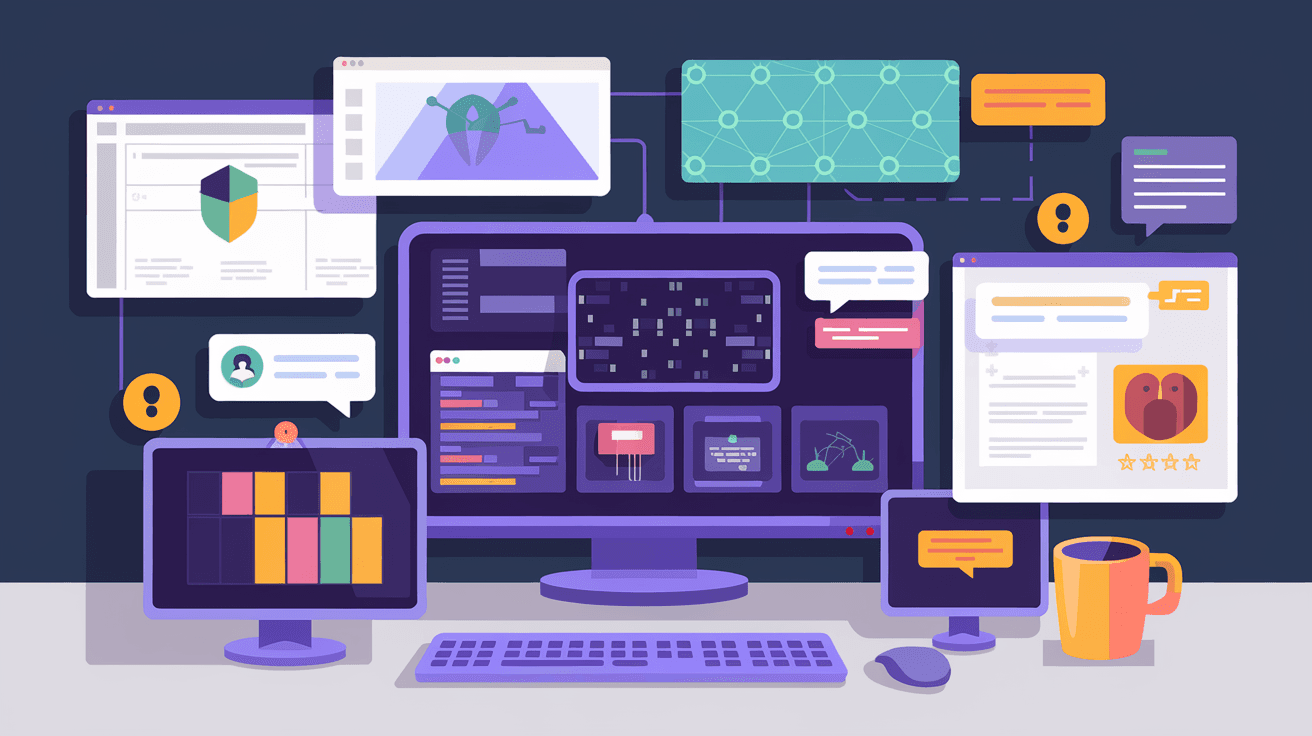
- Dashboard and Visualization: Provides intuitive views of security posture and incidents.
These features help SOC teams reduce alert fatigue, speed up investigations, and improve overall security.
Why Do Organizations Need a SOC Platform?
In today’s digital world, cyber threats are more frequent and sophisticated. Organizations need a SOC platform to manage these risks effectively.
Benefits of Using a SOC Platform
- Improved Threat Detection: By analyzing large volumes of data, SOC platforms identify threats faster.
- Faster Incident Response: Automation and workflows reduce the time to contain attacks.
- Centralized Security Management: SOC platforms provide a single pane of glass for monitoring.
- Compliance Support: They help meet regulatory requirements by maintaining logs and reports.
- Cost Efficiency: Automating routine tasks reduces the need for large security teams.
Without a SOC platform, organizations may struggle to keep up with the volume and complexity of security alerts.
Who Uses SOC Platforms?
SOC platforms are used by a wide range of organizations, from small businesses to large enterprises.
Typical Users Include:
- Large Enterprises: With complex IT environments and high security needs.
- Managed Security Service Providers (MSSPs): Offering SOC services to multiple clients.
- Government Agencies: Protecting sensitive data and critical infrastructure.
- Financial Institutions: Where compliance and security are critical.
- Healthcare Providers: Safeguarding patient information.
Each user adapts the SOC platform to fit their specific security requirements and resources.
Challenges in Implementing a SOC Platform
While SOC platforms offer many benefits, implementing them can be challenging.
Common Challenges
- Complex Integration: Connecting diverse data sources can be difficult.
- Alert Overload: Too many false positives can overwhelm analysts.
- Skill Shortage: Finding trained SOC analysts is a common problem.
- Cost: High upfront investment and ongoing maintenance costs.
- Keeping Up with Threats: Constantly evolving threats require continuous updates.
Addressing these challenges requires careful planning, skilled personnel, and ongoing tuning of the platform.
How to Choose the Right SOC Platform
Choosing the right SOC platform depends on your organization’s size, budget, and security needs.
Consider These Factors:
- Scalability: Can the platform grow with your business?
- Integration: Does it support your existing tools and infrastructure?
- Automation: How much does it automate to reduce manual work?
- User Interface: Is it easy for your team to use?
- Vendor Support: What kind of support and updates does the vendor provide?
- Cost: Consider both initial and ongoing expenses.
Evaluating these factors will help you select a platform that fits your security goals.
Future Trends in SOC Platforms
The cybersecurity landscape is always changing, and SOC platforms are evolving too.
Emerging Trends to Watch
- AI and Machine Learning: More advanced threat detection and predictive analytics.
- Cloud-Native SOCs: Platforms designed specifically for cloud environments.
- Extended Detection and Response (XDR): Integrating multiple security layers for better visibility.
- Increased Automation: Reducing human workload with smarter playbooks.
- Zero Trust Integration: Supporting zero trust security models within SOC operations.
Staying updated on these trends will help you keep your security operations effective.
Conclusion
A SOC platform is a vital tool that helps organizations protect themselves from cyber threats. It collects and analyzes security data, detects suspicious activities, and supports fast incident response. By using a SOC platform, you can improve your security posture and reduce the risk of costly breaches.
Choosing the right SOC platform involves understanding your needs, evaluating features, and planning for future growth. As cyber threats evolve, SOC platforms will continue to advance, making them an essential part of any cybersecurity strategy. If you want to keep your organization safe, investing in a SOC platform is a smart move.
FAQs
What is the main purpose of a SOC platform?
A SOC platform’s main purpose is to help security teams detect, analyze, and respond to cyber threats by collecting and managing security data from various sources in real time.
How does a SOC platform improve incident response?
It automates alert generation, provides investigation tools, and supports workflows that speed up the detection and containment of security incidents.
Can small businesses benefit from SOC platforms?
Yes, many SOC platforms are scalable and offer solutions tailored for small businesses, helping them improve security without large teams.
What is the difference between SIEM and SOAR in a SOC platform?
SIEM focuses on collecting and analyzing security data, while SOAR automates response actions and orchestrates workflows to handle incidents efficiently.
How do SOC platforms support compliance?
They maintain detailed logs, generate reports, and help organizations meet regulatory requirements by providing visibility into security events and responses.