
What is Smishing
Introduction
You probably use your phone for almost everything—texting, banking, shopping, and more. But did you know that your phone can also be a target for cybercriminals? One of the sneakiest ways they try to trick you is through smishing.
Smishing is a type of scam that uses text messages to steal your personal information or money. In this article, I’ll explain what smishing is, how it works, and most importantly, how you can protect yourself from falling victim to it.
What is Smishing?
Smishing is a form of phishing that happens through SMS text messages. The word "smishing" combines "SMS" (short message service) and "phishing." Instead of emails, scammers send fake text messages to trick you into sharing sensitive information.
These messages often look like they come from trusted sources, such as banks, delivery companies, or even friends. The goal is to get you to click on a link, call a number, or reply with personal details like passwords or credit card numbers.
How Smishing Differs from Other Scams
- Phishing: Usually via email, targeting your inbox.
- Vishing: Voice phishing done over phone calls.
- Smishing: Uses text messages on your mobile phone.
Smishing is especially dangerous because people tend to trust text messages more than emails. Plus, mobile devices often have fewer security layers than computers.
How Does Smishing Work?
Smishing attacks follow a simple but effective pattern. Here’s how they usually unfold:
- You receive a text message: It looks urgent or important, like a bank alert or a package delivery notice.
- The message contains a link or phone number: This link might lead to a fake website designed to steal your info.
- You click or call: If you click the link, you might download malware or be asked to enter personal details.
- Your information is stolen: The scammer uses your data for identity theft, financial fraud, or other crimes.
Common Smishing Message Examples
- "Your bank account has been locked. Click here to verify your identity."
- "You have a package waiting. Track it now: [fake link]"
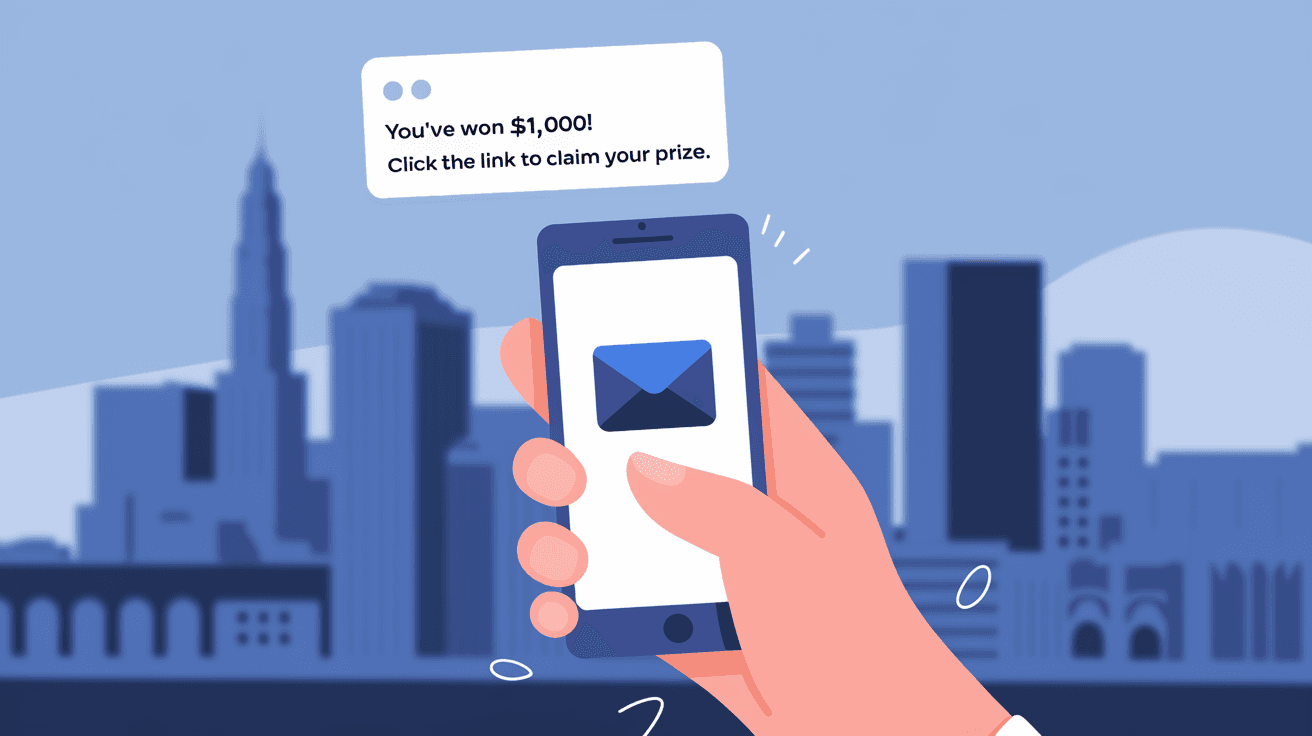
- "Congratulations! You won a prize. Claim it by replying with your details."
- "Your phone bill is overdue. Pay now to avoid disconnection."
These messages often create a sense of urgency to make you act quickly without thinking.
Why is Smishing on the Rise?
Smishing has become more common because mobile phone use keeps growing worldwide. Here are some reasons why scammers prefer smishing:
- High mobile phone usage: Nearly everyone carries a phone, making it an easy target.
- Less security on mobile devices: Phones often lack strong antivirus or spam filters.
- People trust texts more: Text messages feel personal and urgent.
- Easy to spoof numbers: Scammers can fake phone numbers to look like they come from real companies.
- Cost-effective for scammers: Sending mass texts is cheap and reaches many people quickly.
According to recent cybersecurity reports, smishing attacks have increased by over 50% in the past year, making it one of the fastest-growing cyber threats.
How to Recognize Smishing Attempts
Knowing how to spot smishing messages can save you a lot of trouble. Here are some signs to watch for:
- Unexpected messages: You get a text from a company or person you weren’t expecting.
- Urgent or threatening language: Messages that pressure you to act fast.
- Suspicious links: Links that don’t match the official website or look strange.
- Requests for personal info: Legitimate companies rarely ask for passwords or credit card numbers via text.
- Poor spelling or grammar: Many scam messages contain mistakes or awkward phrasing.
- Unknown sender numbers: The message comes from a number you don’t recognize.
If you notice any of these signs, be cautious and avoid clicking links or replying.
How to Protect Yourself from Smishing
Protecting yourself from smishing is easier than you might think. Here are practical steps you can take:
- Don’t click on links in unexpected texts: Instead, go directly to the company’s official website.
- Verify the sender: Call the company using a known phone number to confirm the message.
- Use security apps: Install mobile security software that can detect and block smishing attempts.
- Keep your phone updated: Regular updates fix security holes that scammers might exploit.
- Enable two-factor authentication (2FA): This adds an extra layer of security to your accounts.
- Be cautious with personal info: Never share passwords or financial details via text.
- Report smishing: Forward suspicious messages to your mobile carrier or the company being impersonated.
Tools and Features to Help
- Spam filters: Many smartphones have built-in spam filters for texts.
- Carrier blocking services: Some mobile providers offer services to block scam messages.
- Anti-malware apps: Apps like Norton Mobile Security or Avast can help detect threats.
What to Do If You Fall Victim to Smishing
If you accidentally click a link or share your info, act quickly:
- Change your passwords: Update passwords for any affected accounts immediately.
- Contact your bank: Alert them to monitor for suspicious activity.
- Run a security scan: Use antivirus software to check your phone for malware.
- Report the scam: Notify your mobile carrier and local authorities.
- Monitor your accounts: Keep an eye on your credit card and bank statements for unusual charges.
Taking swift action can limit the damage and help protect your identity.
The Future of Smishing and Mobile Security
As mobile technology advances, smishing scams are also evolving. Experts predict:
- More sophisticated attacks: Scammers will use AI to create more convincing messages.
- Increased targeting of mobile payment apps: As mobile wallets grow, they become prime targets.
- Better security tools: Mobile operating systems will improve spam detection and security features.
- Greater user awareness: Education campaigns will help people recognize and avoid smishing.
Staying informed and cautious will remain your best defense against smishing in the years ahead.
Conclusion
Smishing is a growing threat that targets your mobile phone through deceptive text messages. These scams try to trick you into giving away personal information or downloading harmful software. But by understanding what smishing is and how it works, you can protect yourself.
Always be cautious with unexpected texts, avoid clicking suspicious links, and use security tools on your phone. If you stay alert and follow simple safety steps, you can keep your information safe and avoid falling victim to smishing scams.
FAQs
What is the difference between smishing and phishing?
Smishing uses text messages to trick you, while phishing typically happens through emails. Both aim to steal your personal info, but smishing targets your mobile phone specifically.
Can smishing messages install viruses on my phone?
Yes, clicking on malicious links in smishing texts can download malware or viruses onto your phone, which can steal data or damage your device.
How can I report a smishing message?
You can forward the suspicious text to your mobile carrier’s spam reporting number or report it to the company being impersonated and local cybercrime authorities.
Are smishing attacks illegal?
Yes, smishing is a form of cybercrime. Sending fraudulent messages to steal information or money is illegal and punishable by law.
How do mobile carriers help protect against smishing?
Many carriers offer spam filtering services and tools to block scam messages. They also work with authorities to track and stop smishing campaigns.




