
What is Site-to-Site VPN
Introduction
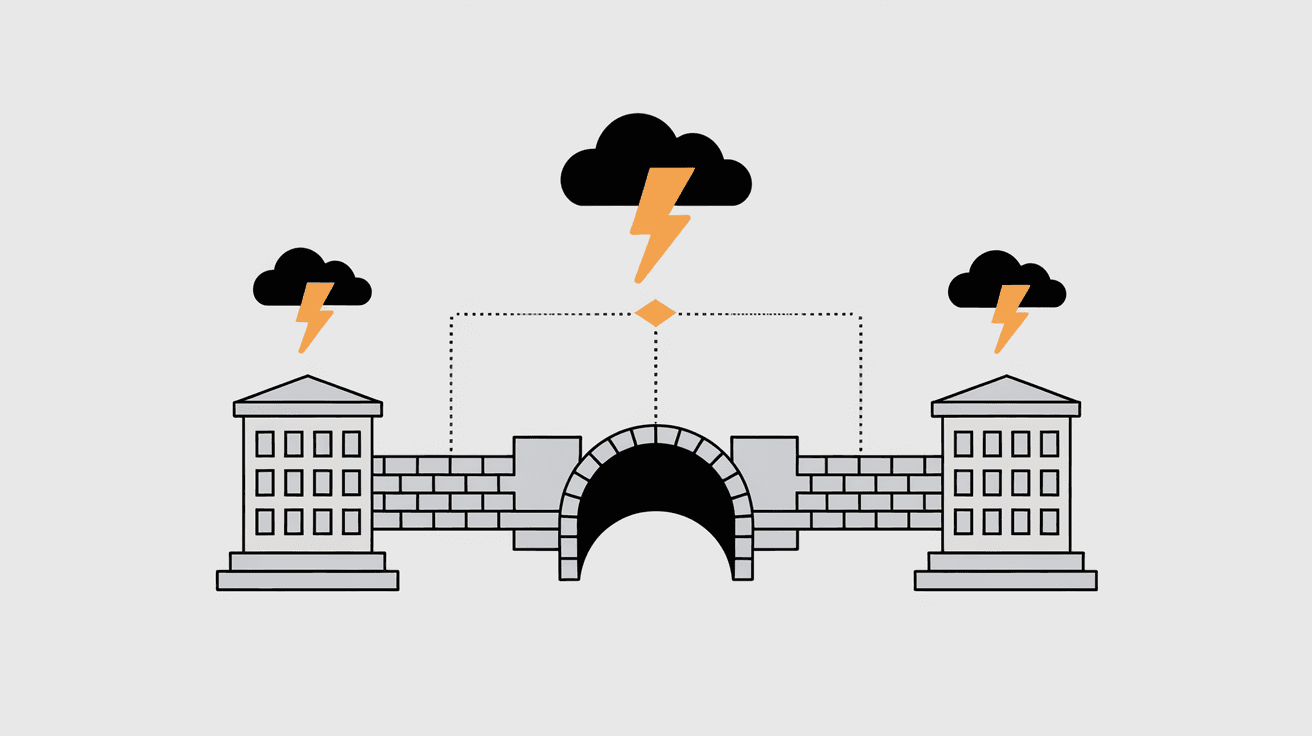
If you manage multiple office locations or remote sites, you might wonder how to connect them securely over the internet. A Site-to-Site VPN is a popular solution that helps businesses link their networks safely and efficiently. It creates a private tunnel between different locations, allowing data to flow securely as if all sites were on the same local network.
In this article, I’ll explain what a Site-to-Site VPN is, how it works, and why it’s important for your business. You’ll also learn about its benefits, types, and how to set one up. By the end, you’ll understand how this technology can protect your data and improve communication between your offices.
What is a Site-to-Site VPN?
A Site-to-Site VPN (Virtual Private Network) is a secure connection between two or more separate networks, usually in different physical locations. Instead of connecting individual devices, it links entire networks together over the internet. This means employees at different offices can access shared resources as if they were on the same local network.
How It Works
- Encryption: Data sent between sites is encrypted, making it unreadable to outsiders.
- Tunneling: The VPN creates a secure tunnel through the public internet.
- Gateways: Each site uses a VPN gateway (usually a router or firewall) to manage the connection.
- Authentication: The gateways verify each other before exchanging data.
This setup ensures that sensitive information like files, emails, and applications stay private and protected from hackers.
Why Use a Site-to-Site VPN?
Businesses use Site-to-Site VPNs for several reasons. Here are some of the main benefits:
- Secure Communication: It protects data from interception when traveling over the internet.
- Cost-Effective: It uses the public internet instead of expensive private lines.
- Centralized Access: Employees can access company resources from any connected site.
- Improved Collaboration: Teams across locations can work together seamlessly.
- Scalability: New sites can be added easily without complex setups.
For example, a company with offices in New York and London can connect their networks securely, allowing staff to share files and use internal applications without worrying about security risks.
Types of Site-to-Site VPNs
There are two main types of Site-to-Site VPNs: Intranet-based and Extranet-based. Each serves a different purpose.
Intranet-based Site-to-Site VPN
This type connects multiple offices of the same organization. It creates a private network for all company locations.
- Used for internal communication.
- Keeps company data within trusted sites.
- Ideal for businesses with several branches.
Extranet-based Site-to-Site VPN
This connects a company’s network with external partners, suppliers, or clients.
- Enables secure collaboration with outside organizations.
- Controls access to specific resources.
- Useful for joint projects or shared services.
How to Set Up a Site-to-Site VPN
Setting up a Site-to-Site VPN involves several key steps. Here’s a simple overview:
- Choose VPN Devices: Select routers or firewalls that support VPN features.
- Configure VPN Gateways: Set up each site’s gateway with IP addresses and security settings.
- Establish Authentication: Use pre-shared keys or digital certificates to verify connections.
- Define Encryption Protocols: Choose protocols like IPsec to secure data.
- Test the Connection: Verify that data flows correctly and securely between sites.
- Monitor and Maintain: Regularly check the VPN for performance and security.
Many businesses rely on IT professionals or managed service providers to handle this process, ensuring the VPN is reliable and secure.
Common Protocols Used in Site-to-Site VPNs
Several protocols help secure Site-to-Site VPN connections. The most popular ones include:
- IPsec (Internet Protocol Security): The most widely used protocol, offering strong encryption and authentication.
- GRE (Generic Routing Encapsulation): Often combined with IPsec to encapsulate data packets.
- SSL/TLS (Secure Sockets Layer/Transport Layer Security): Less common for Site-to-Site but used in some VPN setups.
IPsec is preferred because it supports various encryption algorithms and works well with most network devices.
Security Considerations for Site-to-Site VPNs
While Site-to-Site VPNs enhance security, you should still follow best practices to protect your network:
- Use Strong Encryption: Choose AES-256 or similar strong algorithms.
- Regularly Update Firmware: Keep VPN devices updated to fix vulnerabilities.
- Implement Access Controls: Limit who can access the VPN and what resources they can use.
- Monitor Traffic: Use logging and alerts to detect unusual activity.
- Use Multi-Factor Authentication: Add extra layers of verification for gateway access.
These steps help prevent unauthorized access and keep your data safe.
Site-to-Site VPN vs. Remote Access VPN
It’s important to understand the difference between Site-to-Site VPNs and Remote Access VPNs.
| Feature | Site-to-Site VPN | Remote Access VPN |
| Purpose | Connects entire networks | Connects individual users to a network |
| Users | Offices, branches, or partner networks | Remote employees or travelers |
| Setup Complexity | More complex, requires gateway devices | Simpler, client software on devices |
| Security Focus | Network-to-network encryption | User-to-network encryption |
If you want to link multiple offices, Site-to-Site VPN is the right choice. For individual remote workers, Remote Access VPN works better.
Real-World Examples of Site-to-Site VPN Use
Many companies rely on Site-to-Site VPNs to keep their operations running smoothly. Here are some examples:
- Retail Chains: Connect stores to headquarters for inventory and sales data sharing.
- Healthcare Providers: Securely share patient information between clinics.
- Manufacturing Firms: Link factories and offices to coordinate production.
- Educational Institutions: Connect campuses for shared resources and administration.
These examples show how Site-to-Site VPNs support business continuity and data security across industries.
Challenges and Limitations of Site-to-Site VPNs
While Site-to-Site VPNs are powerful, they come with some challenges:
- Complex Setup: Requires technical knowledge and proper configuration.
- Performance Issues: Internet speed and latency can affect connection quality.
- Scalability Limits: Adding many sites can complicate management.
- Single Point of Failure: If a VPN gateway fails, the connection breaks.
To overcome these, businesses often use redundant connections, professional support, and regular maintenance.
Future Trends in Site-to-Site VPN Technology
As technology evolves, Site-to-Site VPNs are also improving:
- Integration with SD-WAN: Software-Defined Wide Area Networks optimize traffic and improve reliability.
- Enhanced Security Features: AI-based threat detection and automated responses.
- Cloud VPNs: Connecting cloud environments with on-premises networks securely.
- Simplified Management: Centralized control panels and automation tools.
These trends make Site-to-Site VPNs more flexible, secure, and easier to manage.
Conclusion
A Site-to-Site VPN is a vital tool for businesses that need to connect multiple locations securely over the internet. It creates a private, encrypted tunnel between networks, ensuring safe data exchange and seamless collaboration. Whether you have offices in different cities or work with external partners, this technology helps protect your information and improve communication.
By understanding how Site-to-Site VPNs work, their benefits, and setup process, you can make informed decisions about your network security. As technology advances, these VPNs will continue to evolve, offering even better performance and protection for your business.
FAQs
What devices are needed for a Site-to-Site VPN?
You typically need VPN-capable routers or firewalls at each site. These devices handle encryption, tunneling, and authentication to create the secure connection.
Can Site-to-Site VPNs connect more than two locations?
Yes, you can connect multiple sites in a mesh or hub-and-spoke topology, depending on your network design and VPN device capabilities.
Is Site-to-Site VPN suitable for small businesses?
It can be, especially if you have multiple offices. However, small businesses with few remote users might prefer Remote Access VPNs for simplicity.
How secure is a Site-to-Site VPN?
When configured with strong encryption and proper security measures, Site-to-Site VPNs provide very secure communication over the internet.
Can Site-to-Site VPNs be used with cloud services?
Yes, many businesses use Site-to-Site VPNs to connect their on-premises networks with cloud environments securely.




