What is Signature-Based Detection
Introduction
When it comes to protecting your computer or network, understanding how threats are detected is crucial. One of the most common methods used in cybersecurity is signature-based detection. You might have heard this term before, but what does it really mean? In simple terms, it’s a way to spot known threats by matching them against a database of known “signatures” or patterns.
In this article, I’ll explain what signature-based detection is, how it works, and why it’s still widely used today. Whether you’re a beginner or just curious about cybersecurity, this guide will help you understand this important concept and how it helps keep your digital world safe.
What is Signature-Based Detection?
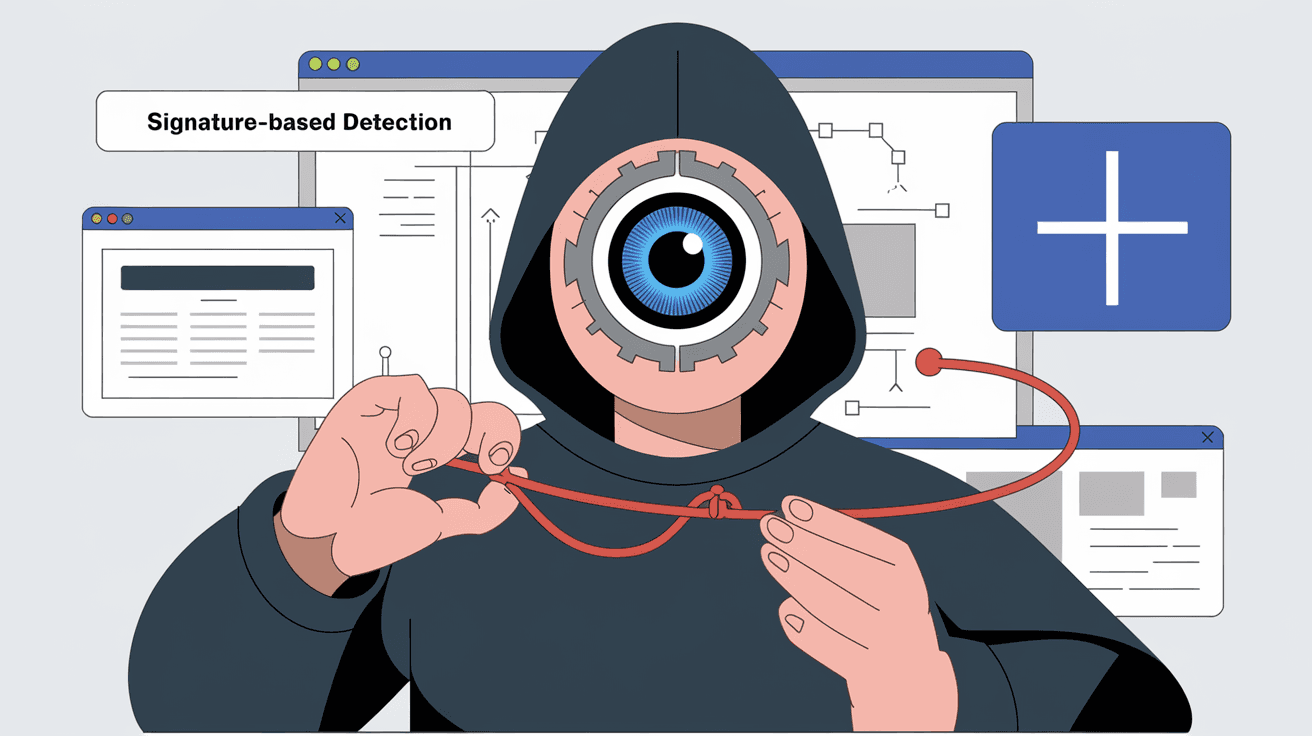
Signature-based detection is a technique used by antivirus software and other security tools to identify malware or malicious activity. It works by comparing files or behaviors against a database of known threat signatures. These signatures are unique patterns or fingerprints that represent specific viruses, worms, or other malware.
Think of it like a fingerprint database used by police. If a suspect’s fingerprint matches one in the database, they can be identified quickly. Similarly, if a file matches a malware signature, the security software can flag it as dangerous.
How Signature-Based Detection Works
- Collection of Signatures: Security researchers analyze malware samples and create unique signatures.
- Database Storage: These signatures are stored in a central database that security software accesses.
- Scanning: When you scan your device, the software compares files against these signatures.
- Detection: If a match is found, the software alerts you or blocks the threat.
This method is fast and effective for known threats but struggles with new or unknown malware that doesn’t have a signature yet.
Advantages of Signature-Based Detection
Signature-based detection has been around for decades and remains a core part of cybersecurity for several reasons:
- High Accuracy for Known Threats: It reliably detects malware that has been previously identified.
- Fast Scanning: Since it looks for specific patterns, scanning is quick and efficient.
- Low False Positives: Because it matches exact signatures, it rarely mistakes safe files for threats.
- Easy to Update: Security vendors regularly update signature databases to include new threats.
These benefits make signature-based detection a trusted first line of defense in many security solutions.
Limitations of Signature-Based Detection
While signature-based detection is powerful, it has some important limitations you should know about:
- Ineffective Against New Threats: It cannot detect zero-day attacks or new malware without existing signatures.
- Polymorphic Malware: Some malware changes its code to avoid detection, making signatures less effective.
- Requires Constant Updates: The signature database must be updated frequently to stay current.
- Limited Behavioral Insight: It doesn’t analyze how a program behaves, so it might miss threats that act differently.
Because of these weaknesses, signature-based detection is often combined with other methods like behavior-based or heuristic detection.
Examples of Signature-Based Detection in Use
Many popular antivirus and security tools use signature-based detection as part of their protection strategy. Here are some examples:
- Windows Defender: Uses signature databases to detect known viruses and malware.
- Norton Antivirus: Relies on signature matching to identify threats quickly.
- Malwarebytes: Combines signature detection with behavioral analysis for better coverage.
- Network Intrusion Detection Systems (NIDS): Use signature rules to spot known attack patterns in network traffic.
These tools update their signature databases regularly to keep up with emerging threats.
How Signature-Based Detection Compares to Other Methods
To understand signature-based detection better, it helps to compare it with other common detection techniques:
| Detection Method | How It Works | Strengths | Weaknesses |
| Signature-Based Detection | Matches known patterns | Fast, accurate for known threats | Fails on new or unknown malware |
| Heuristic Detection | Looks for suspicious behavior | Can detect new threats | Higher false positives |
| Behavior-Based Detection | Monitors program actions in real-time | Detects unknown threats | Resource-intensive |
| Machine Learning | Uses AI to predict threats | Adapts to new threats | Requires large data and tuning |
Signature-based detection is often the foundation, with other methods adding layers of protection.
How to Keep Your Signature-Based Detection Effective
To get the most out of signature-based detection, you should:
- Keep Your Software Updated: Regular updates ensure your signature database includes the latest threats.
- Use Multiple Security Layers: Combine signature detection with behavior analysis and firewalls.
- Scan Regularly: Frequent scans help catch threats early.
- Be Cautious with Unknown Files: Avoid downloading or opening suspicious attachments or links.
- Educate Yourself: Stay informed about new threats and security best practices.
By following these steps, you can strengthen your defenses and reduce the risk of infection.
The Future of Signature-Based Detection
Even as new detection methods emerge, signature-based detection remains relevant. Advances in automation and cloud-based updates have made signature databases more dynamic and responsive. Security companies now use AI to help generate signatures faster and improve detection rates.
However, the future will likely see more hybrid approaches. Signature-based detection will work alongside machine learning and behavior analysis to provide comprehensive protection. This combination helps address the weaknesses of each method and adapt to the evolving threat landscape.
Conclusion
Signature-based detection is a fundamental cybersecurity technique that helps identify known malware by matching it against a database of unique signatures. It’s fast, accurate, and effective for threats that have been previously discovered. However, it struggles with new or changing malware, which is why it’s often combined with other detection methods.
By understanding how signature-based detection works and its strengths and limitations, you can better appreciate its role in keeping your devices safe. Remember to keep your security software updated and use multiple layers of protection to stay ahead of cyber threats.
FAQs
What types of malware can signature-based detection identify?
Signature-based detection can identify viruses, worms, Trojans, ransomware, and other malware with known code patterns stored in signature databases.
How often should signature databases be updated?
Signature databases should be updated daily or as soon as new threats are discovered to maintain effective protection.
Can signature-based detection find zero-day attacks?
No, it cannot detect zero-day attacks because these threats do not have existing signatures in the database.
Is signature-based detection enough for complete security?
No, it should be combined with behavior-based and heuristic methods for comprehensive protection against unknown threats.
How do antivirus programs create new signatures?
Security researchers analyze new malware samples and extract unique code patterns or behaviors to create signatures for detection.