
What is Session Border Controller
Introduction
If you’re diving into the world of VoIP or internet telephony, you’ve probably come across the term "Session Border Controller" or SBC. You might wonder, what exactly is it, and why is it so important? In simple terms, an SBC acts like a gatekeeper for voice and video calls over the internet, making sure everything runs smoothly and securely.
In this article, I’ll walk you through what a Session Border Controller is, how it works, and why businesses and service providers rely on it. Whether you’re a tech enthusiast or someone managing communications, understanding SBCs will help you grasp how modern calls stay clear, safe, and reliable.
What is a Session Border Controller?
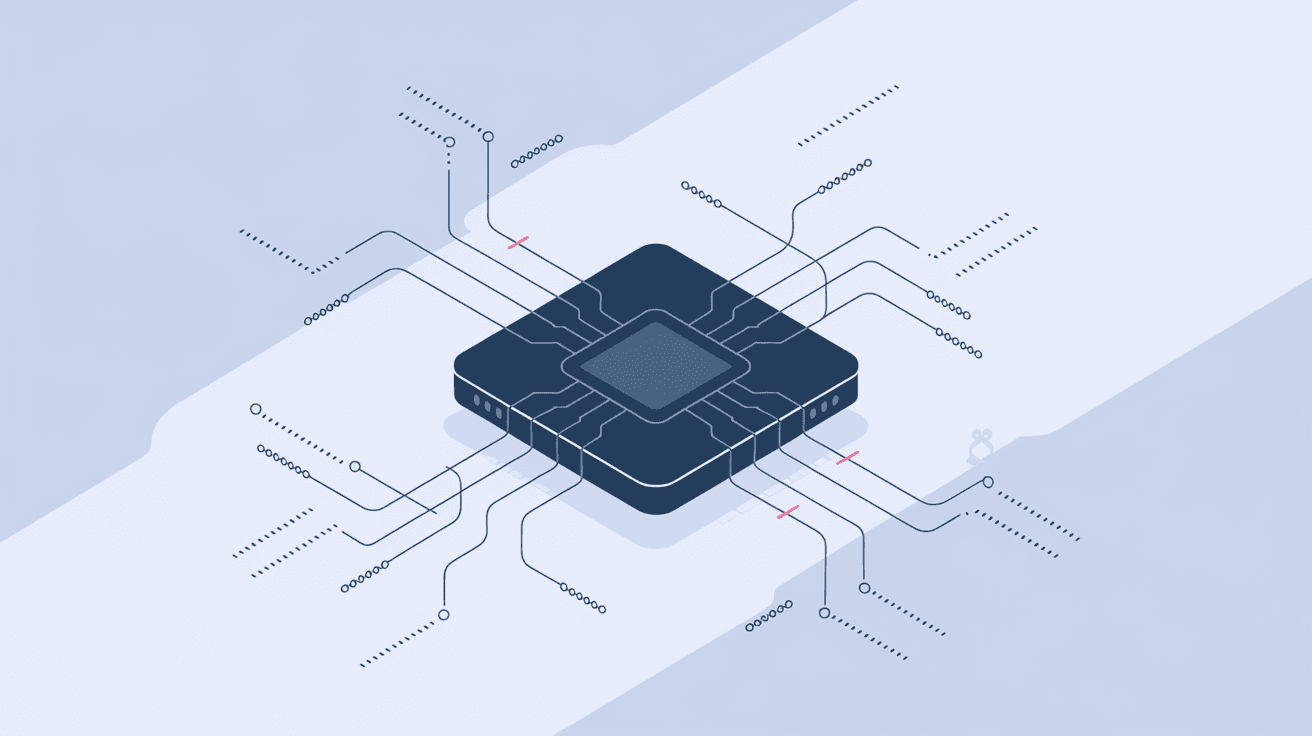
A Session Border Controller (SBC) is a network device that manages and controls real-time communication sessions. These sessions typically involve voice, video, and messaging over IP networks, especially in Voice over Internet Protocol (VoIP) systems.
Think of an SBC as a security guard and traffic cop combined. It sits at the border between different networks—like between your company’s private network and the public internet—and controls the flow of communication sessions. This helps protect your network from threats and ensures calls connect properly.
Key Functions of an SBC
- Security: Protects against attacks like denial of service (DoS) and fraud.
- Interoperability: Translates different signaling protocols so devices can communicate.
- Quality of Service (QoS): Manages bandwidth and prioritizes voice traffic for clear calls.
- Regulatory Compliance: Helps meet legal requirements for call recording and emergency services.
How Does a Session Border Controller Work?
An SBC works by sitting at the edge of a network and controlling signaling and media streams during communication sessions. It monitors and manages call setup, maintenance, and teardown processes.
When you make a VoIP call, the SBC:
- Inspects the signaling messages to verify they are legitimate.
- Controls media streams by managing the audio and video packets.
- Applies security policies to block malicious traffic.
- Handles protocol translation if the two networks use different communication standards.
This process ensures that calls are secure, compatible, and maintain high quality.
Example of SBC in Action
Imagine your company uses a VoIP phone system, and you call a client who uses a different provider. The SBC will:
- Translate signaling protocols if needed.
- Encrypt the call to prevent eavesdropping.
- Prioritize voice packets to avoid delays.
- Block any suspicious traffic trying to attack your system.
Why Are Session Border Controllers Important?
SBCs have become essential in modern communication networks, especially as more businesses move to cloud-based and hybrid VoIP solutions. Here’s why they matter:
1. Security
VoIP networks are vulnerable to various cyber threats, including hacking, eavesdropping, and denial of service attacks. SBCs provide a strong security layer by:
- Inspecting and filtering traffic.
- Encrypting calls.
- Preventing unauthorized access.
2. Interoperability
Different vendors and providers use various signaling protocols like SIP (Session Initiation Protocol). SBCs ensure these different systems can communicate by translating protocols and fixing compatibility issues.
3. Quality of Service
Voice and video calls require low latency and minimal packet loss. SBCs manage bandwidth and prioritize real-time traffic to maintain call clarity and reduce delays.
4. Regulatory Compliance
Many countries require businesses to comply with regulations related to emergency calling, lawful interception, and call recording. SBCs help enforce these rules by managing call routing and data handling.
Types of Session Border Controllers
There are several types of SBCs designed for different environments and needs:
Enterprise SBCs
- Used within a company’s private network.
- Protect internal VoIP systems.
- Manage calls between internal users and external networks.
Carrier SBCs
- Used by service providers.
- Handle large volumes of calls.
- Provide security and interoperability between different carriers.
Cloud SBCs
- Hosted in the cloud.
- Offer scalability and flexibility.
- Ideal for businesses adopting cloud communications.
Key Features to Look for in an SBC
When choosing an SBC, consider these important features:
- Security capabilities: Firewall, encryption, and attack prevention.
- Protocol support: Compatibility with SIP, H.323, and others.
- Scalability: Ability to handle growing call volumes.
- Quality of Service management: Traffic shaping and prioritization.
- Ease of management: User-friendly interfaces and monitoring tools.
- Integration: Works well with existing communication platforms.
How SBCs Improve VoIP Call Quality
Call quality depends on how well the network handles voice packets. SBCs improve this by:
- Prioritizing voice traffic over less time-sensitive data.
- Preventing packet loss through traffic management.
- Reducing latency by optimizing routing paths.
- Handling jitter by buffering packets to smooth out delays.
This means you get clearer, more reliable calls without annoying drops or delays.
Challenges Without a Session Border Controller
Without an SBC, VoIP networks face several risks:
- Security threats: Increased vulnerability to hacking and fraud.
- Interoperability issues: Calls may fail due to incompatible protocols.
- Poor call quality: Delays, jitter, and dropped calls become common.
- Regulatory non-compliance: Risk of fines or legal issues.
Using an SBC helps avoid these problems and ensures your communication system runs smoothly.
Future Trends in Session Border Controllers
As communication technology evolves, SBCs are also advancing:
- Integration with AI: For smarter threat detection and traffic management.
- Cloud-native SBCs: Offering better scalability and easier deployment.
- Support for 5G networks: Handling higher speeds and new protocols.
- Enhanced analytics: Providing deeper insights into call quality and security.
These trends mean SBCs will continue to be vital for secure and efficient communications.
Conclusion
Understanding what a Session Border Controller is can really help you appreciate how modern voice and video calls stay secure and reliable. SBCs act as gatekeepers, managing traffic between networks, protecting against threats, and ensuring calls connect smoothly.
Whether you’re running a business phone system or managing a service provider network, using an SBC is essential. It improves security, call quality, and compliance while solving compatibility issues. As technology advances, SBCs will keep evolving to meet new communication challenges, making them a key part of any VoIP infrastructure.
FAQs
What protocols do Session Border Controllers support?
SBCs primarily support SIP (Session Initiation Protocol) but can also handle H.323 and other signaling protocols to ensure interoperability between different communication systems.
Can an SBC prevent VoIP fraud?
Yes, SBCs include security features like traffic filtering and authentication to block unauthorized access and prevent common VoIP fraud attacks.
Is a cloud-based SBC better than on-premises?
Cloud SBCs offer scalability and easier management, making them ideal for businesses moving to cloud communications. On-premises SBCs provide more control but require more maintenance.
How does an SBC improve call quality?
By prioritizing voice traffic, managing bandwidth, and reducing latency and jitter, SBCs ensure clearer and more reliable voice and video calls.
Do all VoIP systems need an SBC?
While not mandatory, using an SBC is highly recommended for security, interoperability, and quality reasons, especially in larger or complex VoIP deployments.




