
What is Service Level Agreement (SLA)
Introduction
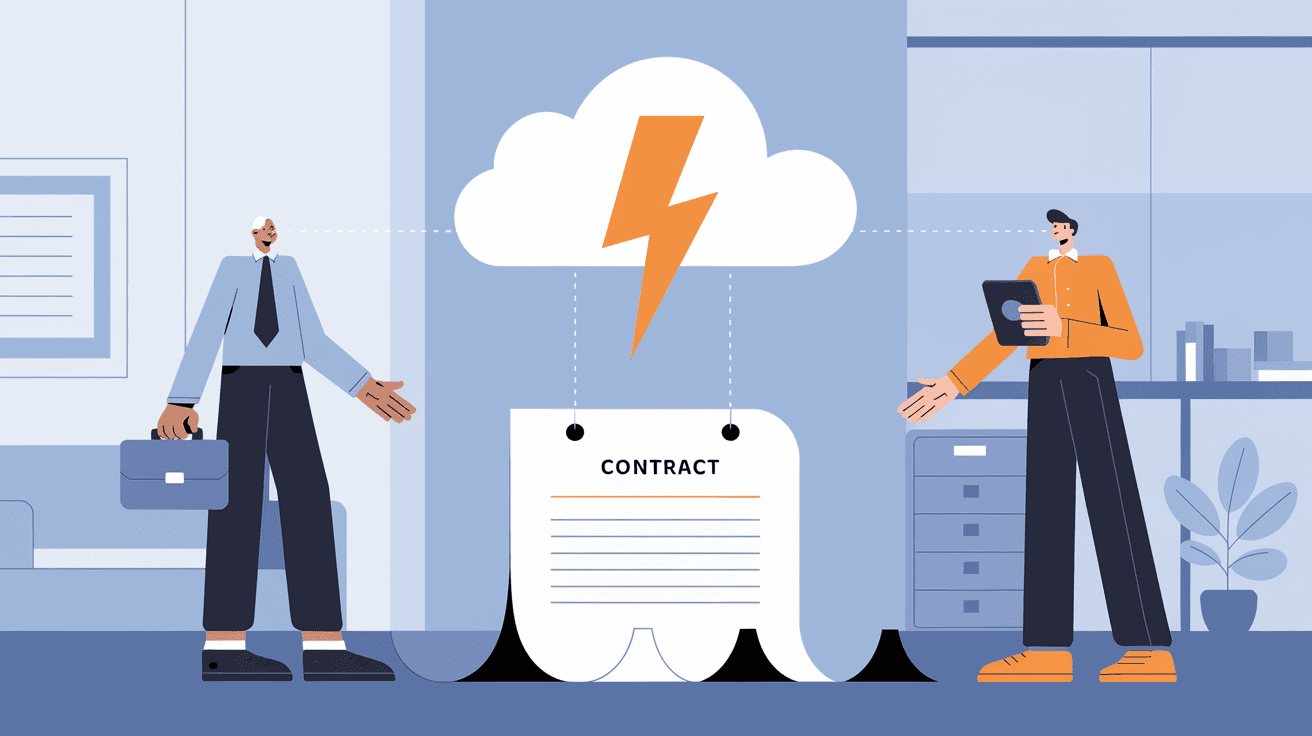
When you work with a service provider, you want to know exactly what to expect. That’s where a Service Level Agreement, or SLA, comes in. It’s a contract that clearly defines the level of service you will receive. Whether you’re dealing with IT support, cloud services, or any other provider, an SLA sets the rules for performance and responsibilities.
In this article, I’ll explain what an SLA is, why it matters, and how it works. You’ll also learn about the different types of SLAs and what to look for when creating or signing one. By the end, you’ll understand how SLAs protect both you and the service provider.
What is a Service Level Agreement (SLA)?
A Service Level Agreement (SLA) is a formal contract between a service provider and a customer. It outlines the specific services the provider will deliver and the expected performance standards. The goal is to ensure both parties have a clear understanding of their roles and responsibilities.
SLAs typically include measurable metrics like uptime, response time, and resolution time. These metrics help track whether the service provider is meeting their promises. If the provider fails to meet these standards, the SLA often includes penalties or remedies.
Why SLAs Are Important
- Sets clear expectations: Both parties know what to expect.
- Improves communication: Helps avoid misunderstandings.
- Measures performance: Tracks service quality with real data.
- Protects customers: Provides compensation if service falls short.
- Supports accountability: Holds providers responsible for their work.
Key Components of an SLA
An effective SLA contains several important parts. These sections make sure the agreement is clear and actionable.
1. Service Description
This part explains what services the provider will deliver. It should be detailed enough to avoid confusion. For example, if it’s IT support, the SLA might specify help desk availability, software updates, or hardware maintenance.
2. Performance Metrics
These are the standards the provider must meet. Common metrics include:
- Uptime: Percentage of time the service is available.
- Response Time: How quickly the provider responds to requests.
- Resolution Time: How long it takes to fix issues.
- Throughput: Amount of work completed in a time frame.
3. Roles and Responsibilities
This section clarifies what each party must do. For example, the customer might need to report issues promptly, while the provider must maintain certain security standards.
4. Monitoring and Reporting
The SLA should explain how performance will be tracked and reported. This might involve regular reports or dashboards showing uptime and response times.
5. Penalties and Remedies
If the provider fails to meet the SLA, this section outlines consequences. It could include service credits, refunds, or contract termination rights.
6. Duration and Termination
This defines how long the SLA lasts and the conditions for ending it. It might also cover renewal terms.
Types of Service Level Agreements
SLAs come in different forms depending on the relationship and services involved. Here are the main types:
1. Customer-Based SLA
This agreement is between a service provider and a single customer. It covers all services the customer uses. For example, a company might have an SLA with its internet provider covering all internet-related services.
2. Service-Based SLA
This SLA applies to all customers using a specific service. For example, a cloud storage provider might have one SLA for all users of its storage service.
3. Multi-Level SLA
This type breaks the agreement into different levels to address various needs:
- Corporate Level: Covers general service commitments for all customers.
- Customer Level: Tailors the SLA to a specific customer’s needs.
- Service Level: Focuses on particular services within the agreement.
This approach helps customize SLAs while maintaining consistency.
How SLAs Benefit Businesses and Customers
SLAs are valuable tools for both sides of a service agreement. Here’s how they help:
Benefits for Customers
- Clear expectations: Customers know what service to expect.
- Protection: SLAs provide compensation if service is poor.
- Better service: Providers are motivated to meet standards.
- Dispute resolution: SLAs offer a framework to resolve issues.
Benefits for Service Providers
- Defined scope: Providers know exactly what to deliver.
- Reduced disputes: Clear terms prevent misunderstandings.
- Performance tracking: Helps improve service quality.
- Customer trust: Transparent agreements build confidence.
How to Create an Effective SLA
Creating a good SLA takes careful planning and communication. Here are steps to follow:
1. Understand Customer Needs
Start by discussing what the customer expects. Identify critical services and performance levels.
2. Define Clear Metrics
Choose measurable and realistic performance indicators. Avoid vague terms like “fast” or “good.”
3. Set Roles and Responsibilities
Clarify what both parties must do to meet the SLA.
4. Include Monitoring Methods
Decide how you will track and report performance.
5. Agree on Penalties
Define consequences for failing to meet standards.
6. Review and Update Regularly
SLAs should evolve with changing needs and technologies.
Common SLA Metrics Explained
Understanding SLA metrics helps you evaluate service quality. Here are some common ones:
| Metric | What It Measures | Example |
| Uptime | Percentage of time service is available | 99.9% uptime per month |
| Response Time | Time to acknowledge a service request | Respond within 1 hour |
| Resolution Time | Time to fix an issue | Resolve critical issues in 4 hours |
| Throughput | Amount of work completed | Process 100 transactions per hour |
These metrics should be realistic and aligned with business needs.
Challenges in Managing SLAs
While SLAs are helpful, they can also present challenges:
- Setting unrealistic targets: Overly strict metrics can be hard to meet.
- Poor communication: Misunderstandings about terms cause disputes.
- Lack of monitoring: Without tracking, it’s hard to enforce SLAs.
- Changing requirements: Business needs evolve, requiring SLA updates.
To avoid these issues, maintain open communication and regularly review the SLA.
Real-World Examples of SLAs
Many industries rely on SLAs to ensure quality service. Here are a few examples:
- Cloud Computing: Providers like AWS or Azure guarantee 99.9% uptime with SLAs.
- Telecommunications: Internet providers promise certain speeds and uptime.
- IT Support: Help desks commit to response and resolution times.
- Managed Services: Outsourced IT companies define service levels for maintenance and support.
These examples show how SLAs help maintain trust and performance.
Conclusion
A Service Level Agreement (SLA) is a vital tool that sets clear expectations between you and your service provider. It defines what services you will receive, how they will be measured, and what happens if standards aren’t met. Whether you’re a business owner or a customer, understanding SLAs helps you make informed decisions and avoid surprises.
By knowing the key components, types, and benefits of SLAs, you can create or evaluate agreements that protect your interests. Remember, a well-crafted SLA promotes transparency, accountability, and better service for everyone involved.
FAQs
What is the main purpose of an SLA?
An SLA’s main purpose is to define the expected level of service between a provider and customer. It sets clear performance standards and responsibilities to avoid misunderstandings.
How are SLA performance metrics measured?
Performance metrics are measured using tools like monitoring software, reports, and dashboards that track uptime, response times, and issue resolution.
Can SLAs be customized for different customers?
Yes, SLAs can be customized through multi-level agreements that tailor service levels to specific customer needs while maintaining general standards.
What happens if a service provider fails to meet an SLA?
If a provider fails to meet SLA terms, penalties like service credits, refunds, or contract termination may apply, depending on the agreement.
How often should SLAs be reviewed?
SLAs should be reviewed regularly, typically annually or when business needs change, to ensure they remain relevant and effective.




