
What is Sensitive Data Discovery Tool
Introduction
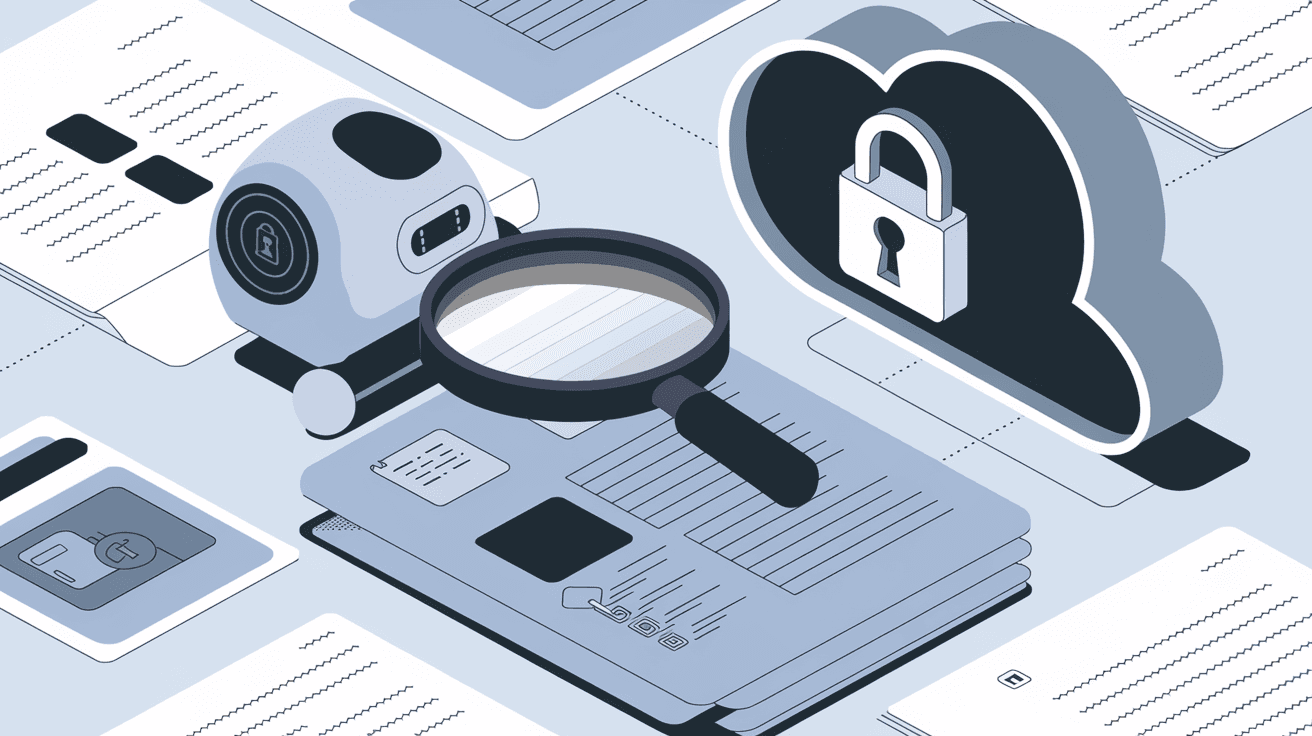
You might be wondering, what exactly is a sensitive data discovery tool and why should you care? In today’s digital world, data is everywhere, and some of it is very sensitive. This tool helps you find that sensitive data quickly and easily. Whether you run a business or just want to protect your personal information, understanding this tool is important.
We’ll explore how sensitive data discovery tools work, why they matter, and how they help keep your data safe. By the end, you’ll know how these tools can protect you from data breaches and help you follow privacy laws.
What Is a Sensitive Data Discovery Tool?
A sensitive data discovery tool is software designed to locate and identify sensitive information stored across your systems. Sensitive data includes things like social security numbers, credit card details, health records, and personal identifiers. These tools scan databases, files, emails, and cloud storage to find this data.
They use pattern matching, machine learning, and predefined rules to detect sensitive information accurately. The goal is to give you a clear picture of where your sensitive data lives so you can protect it better.
How Sensitive Data Discovery Tools Work
- Scanning: The tool scans your entire IT environment, including databases, file servers, cloud platforms, and endpoints.
- Identification: It uses algorithms to identify sensitive data based on patterns, keywords, and data formats.
- Classification: Once found, the tool classifies data by sensitivity level or type, such as financial, personal, or health data.
- Reporting: It generates reports showing where sensitive data is located and highlights risks or compliance gaps.
Why Is Sensitive Data Discovery Important?
Sensitive data discovery is crucial because it helps you understand what sensitive information you have and where it is stored. Without this knowledge, you risk exposing data to unauthorized users or losing it in a breach.
Key Reasons to Use Sensitive Data Discovery Tools
- Data Protection: Knowing where sensitive data is helps you secure it properly.
- Compliance: Many laws like GDPR, HIPAA, and CCPA require organizations to protect sensitive data.
- Risk Management: Identifying sensitive data reduces the risk of data leaks and cyberattacks.
- Data Minimization: Helps you remove or reduce unnecessary sensitive data, lowering exposure.
- Audit Readiness: Makes it easier to prepare for audits by showing data locations and protection measures.
Types of Sensitive Data Discovered
Sensitive data discovery tools can find many types of sensitive information, including:
- Personally Identifiable Information (PII): Names, addresses, phone numbers, social security numbers.
- Payment Card Information (PCI): Credit card numbers, expiration dates, CVVs.
- Protected Health Information (PHI): Medical records, health insurance details.
- Intellectual Property: Trade secrets, patents, proprietary business information.
- Credentials: Passwords, API keys, authentication tokens.
Features to Look for in a Sensitive Data Discovery Tool
Choosing the right tool depends on your needs. Here are some important features to consider:
- Comprehensive Scanning: Ability to scan multiple data sources like cloud, on-premises, and endpoints.
- Accurate Detection: Uses advanced algorithms to reduce false positives and detect complex data types.
- Data Classification: Automatically categorizes data by sensitivity and compliance requirements.
- Integration: Works with your existing security and compliance tools.
- Reporting and Alerts: Provides detailed reports and real-time alerts for sensitive data exposure.
- User-Friendly Interface: Easy to use for both technical and non-technical users.
- Scalability: Can handle growing data volumes and complex environments.
How Sensitive Data Discovery Tools Help With Compliance
Compliance with data privacy laws is a top reason organizations use sensitive data discovery tools. Laws like GDPR in Europe, HIPAA in healthcare, and CCPA in California require businesses to protect sensitive data and be transparent about its use.
Compliance Benefits
- Data Mapping: Helps create an inventory of sensitive data, a key compliance step.
- Risk Assessment: Identifies where sensitive data is vulnerable.
- Policy Enforcement: Ensures data handling policies are followed.
- Audit Support: Provides evidence of data protection efforts during audits.
- Breach Response: Speeds up breach investigations by pinpointing affected data.
Real-World Examples of Sensitive Data Discovery Tools
Several popular tools are widely used today to discover sensitive data:
| Tool Name | Key Features | Use Case |
| Varonis | Real-time monitoring, data classification | Enterprise data security |
| Spirion | Pattern matching, compliance reporting | GDPR and HIPAA compliance |
| Microsoft Purview | Cloud-native, integrates with Azure | Cloud data governance |
| IBM Guardium | Automated discovery, risk scoring | Large-scale data protection |
| Symantec DLP | Data loss prevention, sensitive data detection | Preventing data leaks |
These tools help organizations of all sizes find and protect sensitive data efficiently.
How to Implement a Sensitive Data Discovery Tool
Implementing a sensitive data discovery tool involves several steps:
- Define Scope: Decide which systems and data sources to scan.
- Choose a Tool: Select a tool that fits your environment and compliance needs.
- Configure Scans: Set scanning schedules and sensitivity rules.
- Run Initial Scan: Perform a full scan to identify sensitive data.
- Analyze Results: Review reports and classify data.
- Secure Data: Apply encryption, access controls, or data masking.
- Monitor Continuously: Schedule regular scans and alerts for new data.
- Train Staff: Educate employees on data handling policies.
Challenges in Sensitive Data Discovery
While these tools are powerful, they come with challenges:
- False Positives: Sometimes tools flag non-sensitive data, requiring manual review.
- Data Volume: Large data sets can slow scanning and analysis.
- Complex Environments: Hybrid cloud and on-premises setups complicate discovery.
- Privacy Concerns: Scanning sensitive data must be done carefully to avoid exposure.
- Cost: Advanced tools can be expensive for small businesses.
Future Trends in Sensitive Data Discovery
Sensitive data discovery tools are evolving rapidly. Here’s what to expect:
- AI and Machine Learning: Smarter detection with fewer false positives.
- Cloud-Native Solutions: Better integration with cloud platforms.
- Automation: Automated remediation and policy enforcement.
- Privacy-Enhancing Technologies: Tools that protect data during scanning.
- Unified Data Governance: Combining discovery with classification, protection, and compliance in one platform.
Conclusion
Understanding what a sensitive data discovery tool is and how it works is essential in today’s data-driven world. These tools help you find and protect sensitive information, reduce risks, and comply with privacy laws. Whether you manage a business or personal data, using such a tool can save you from costly breaches and legal troubles.
By choosing the right tool and implementing it carefully, you can gain full visibility into your sensitive data landscape. This knowledge empowers you to secure your data effectively and build trust with customers and partners.
FAQs
What types of data can sensitive data discovery tools find?
They can find personally identifiable information (PII), payment card data (PCI), protected health information (PHI), intellectual property, and credentials like passwords.
How often should I run sensitive data discovery scans?
It depends on your environment, but regular scans—monthly or quarterly—are recommended to catch new or moved sensitive data.
Can sensitive data discovery tools work with cloud storage?
Yes, many tools support cloud platforms like AWS, Azure, and Google Cloud to scan and protect data stored in the cloud.
Are sensitive data discovery tools expensive?
Costs vary widely. Some tools are affordable for small businesses, while enterprise solutions with advanced features can be costly.
How do these tools help with data breach response?
They quickly identify what sensitive data was exposed, helping you respond faster and meet legal notification requirements.




