
What is Sensitive Data
Introduction
You probably hear the term "sensitive data" a lot, especially when it comes to privacy and security. But what exactly is sensitive data? Understanding this is important because it helps you protect your personal information and avoid risks like identity theft or data breaches.
In this article, I’ll explain what sensitive data means, why it matters, and how you can keep it safe. Whether you’re a business owner, a student, or just someone curious about privacy, this guide will give you clear and simple answers.
What Is Sensitive Data?
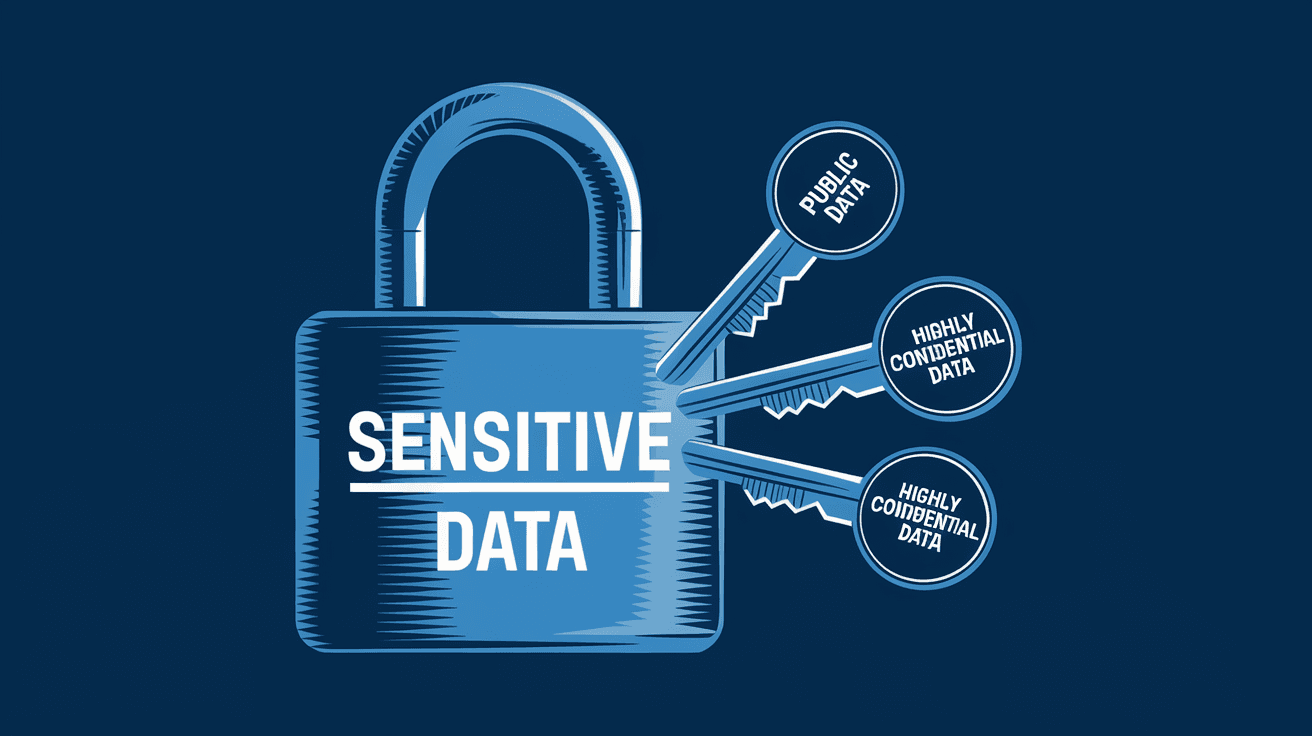
Sensitive data refers to any information that must be protected from unauthorized access because it can cause harm or risk if exposed. This type of data is more private and valuable than general information, so it requires special care.
Examples of Sensitive Data
- Personal Identification Information (PII): Names, addresses, phone numbers, Social Security numbers, and passport details.
- Financial Information: Bank account numbers, credit card details, and income records.
- Health Information: Medical records, health insurance details, and genetic data.
- Authentication Data: Passwords, PINs, and biometric data like fingerprints or facial recognition.
- Confidential Business Information: Trade secrets, contracts, and internal communications.
Sensitive data is often regulated by laws because its misuse can lead to serious consequences, such as identity theft, financial loss, or damage to reputation.
Why Is Sensitive Data Important?
Sensitive data is important because it directly relates to your privacy and security. If this data falls into the wrong hands, it can be used for fraud, blackmail, or other harmful activities.
The Risks of Exposing Sensitive Data
- Identity Theft: Criminals can use your personal details to open accounts or make purchases.
- Financial Fraud: Access to bank or credit card information can lead to unauthorized transactions.
- Privacy Violations: Health or personal data leaks can cause embarrassment or discrimination.
- Business Damage: Leaked trade secrets or client data can harm a company’s reputation and finances.
Because of these risks, governments and organizations enforce strict rules to protect sensitive data.
How Is Sensitive Data Classified?
Sensitive data is often classified based on its nature and the level of protection it requires. Different industries and countries may have specific categories, but here are common classifications:
Common Classifications
- Personally Identifiable Information (PII): Data that can identify an individual directly or indirectly.
- Protected Health Information (PHI): Health-related data protected under laws like HIPAA.
- Payment Card Information (PCI): Credit card and payment details regulated by PCI DSS standards.
- Confidential Business Information: Internal company data that must remain private.
Each classification has its own rules about how it should be stored, shared, and protected.
Laws and Regulations Protecting Sensitive Data
Many countries have laws to protect sensitive data and ensure organizations handle it responsibly. These laws set standards for data collection, storage, and sharing.
Key Regulations Around the World
- General Data Protection Regulation (GDPR): Applies to the European Union and protects personal data with strict consent and transparency rules.
- Health Insurance Portability and Accountability Act (HIPAA): Protects health information in the United States.
- California Consumer Privacy Act (CCPA): Gives California residents rights over their personal data.
- Payment Card Industry Data Security Standard (PCI DSS): Sets security standards for payment card data worldwide.
These regulations often require organizations to notify users if their sensitive data is compromised and to implement strong security measures.
How to Identify Sensitive Data in Your Organization
Knowing where sensitive data exists is the first step to protecting it. Many organizations struggle with this because data can be scattered across systems.
Steps to Identify Sensitive Data
- Data Mapping: Create an inventory of all data collected and stored.
- Classify Data: Label data based on sensitivity and legal requirements.
- Use Automated Tools: Employ software that scans and detects sensitive data in files and databases.
- Train Employees: Educate staff to recognize and handle sensitive data properly.
By identifying sensitive data, you can focus your security efforts where they matter most.
Best Practices for Protecting Sensitive Data
Protecting sensitive data requires a combination of technology, policies, and awareness. Here are some effective strategies:
Technical Measures
- Encryption: Convert data into unreadable code to prevent unauthorized access.
- Access Controls: Limit who can view or use sensitive data based on roles.
- Multi-Factor Authentication (MFA): Require multiple verification steps to access data.
- Regular Backups: Keep secure copies of data to recover from attacks or loss.
Organizational Policies
- Data Minimization: Collect only the data you need.
- Clear Privacy Policies: Inform users how their data is used and protected.
- Incident Response Plans: Prepare for data breaches with clear steps to respond.
- Employee Training: Regularly educate staff on data security and privacy.
Combining these practices helps reduce the risk of data breaches and builds trust with customers and users.
Common Challenges in Managing Sensitive Data
Handling sensitive data is not always easy. Many organizations face challenges that can increase risks.
Typical Challenges
- Data Overload: Large volumes of data make it hard to track sensitive information.
- Shadow IT: Employees using unauthorized apps or devices can expose data.
- Complex Regulations: Keeping up with changing laws requires constant attention.
- Insider Threats: Employees or contractors with access might misuse data.
Addressing these challenges requires ongoing effort and investment in security tools and training.
The Role of Technology in Sensitive Data Protection
Technology plays a crucial role in securing sensitive data. Advances in cybersecurity help organizations detect and prevent threats more effectively.
Useful Technologies
- Data Loss Prevention (DLP): Monitors and blocks unauthorized data transfers.
- Artificial Intelligence (AI): Detects unusual behavior that might indicate a breach.
- Cloud Security Tools: Protect data stored in cloud environments.
- Blockchain: Provides secure and transparent data records.
Using the right technology can greatly improve your ability to protect sensitive data.
What You Can Do to Protect Your Own Sensitive Data
You don’t have to be a company to worry about sensitive data. You can take simple steps to protect your personal information.
Tips for Individuals
- Use strong, unique passwords for different accounts.
- Enable two-factor authentication whenever possible.
- Be cautious about sharing personal information online.
- Regularly update your software and devices.
- Monitor your financial statements for suspicious activity.
By staying vigilant, you can reduce your risk of falling victim to data theft or fraud.
Conclusion
Sensitive data is any information that needs extra protection because it can cause harm if exposed. It includes personal, financial, health, and business information. Understanding what sensitive data is and why it matters helps you take the right steps to keep it safe.
Whether you’re managing data for a business or protecting your own information, using strong security measures and staying informed about laws and risks is essential. By following best practices and using the right technology, you can reduce the chances of data breaches and protect your privacy.
FAQs
What types of data are considered sensitive?
Sensitive data includes personal identification details, financial information, health records, authentication credentials, and confidential business information.
Why is protecting sensitive data important?
Protecting sensitive data prevents identity theft, financial fraud, privacy violations, and damage to personal or business reputation.
How can I identify sensitive data in my organization?
You can identify sensitive data by mapping data locations, classifying data types, using automated scanning tools, and training employees.
What laws protect sensitive data?
Key laws include GDPR, HIPAA, CCPA, and PCI DSS, which regulate how sensitive data must be handled and protected.
What are simple ways to protect my personal sensitive data?
Use strong passwords, enable two-factor authentication, avoid oversharing online, update software regularly, and monitor your accounts for unusual activity.




