
What is Secure Network Architecture
Introduction
When you think about protecting your digital world, secure network architecture is the foundation. It’s the design and layout of your network that keeps your data safe from hackers and cyber threats. You might wonder, what exactly makes a network secure? That’s where secure network architecture comes in.
In this article, I’ll walk you through what secure network architecture means, why it’s important, and how it works. You’ll also discover practical ways to build a secure network that protects your business or personal data. Let’s dive in and explore how you can keep your network safe and sound.
What is Secure Network Architecture?
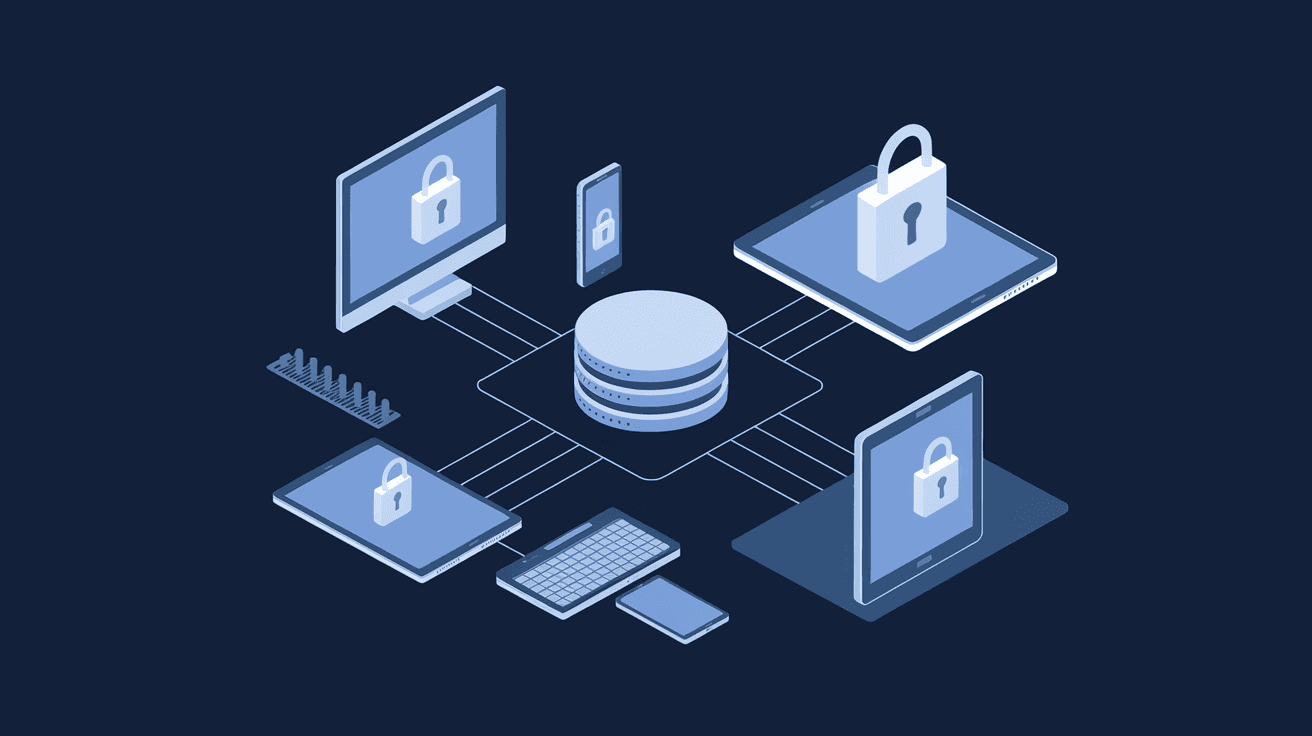
Secure network architecture is the strategic design of a computer network that prioritizes security at every level. It involves planning how devices, servers, and users connect and communicate while ensuring protection against unauthorized access and cyber attacks.
This architecture includes:
- Defining network zones (like public, private, and DMZ)
- Using firewalls and intrusion detection systems
- Implementing encryption and access controls
- Designing redundancy and failover mechanisms
The goal is to create a network that is resilient, trustworthy, and able to defend itself against threats.
Why Secure Network Architecture Matters
Without a secure network design, your data and systems are vulnerable. Cyber attacks can lead to data breaches, financial loss, and damage to your reputation. Secure network architecture helps you:
- Prevent unauthorized access
- Detect and respond to threats quickly
- Ensure data confidentiality and integrity
- Maintain business continuity during attacks
It’s not just about technology but also about how you organize and manage your network resources.
Key Components of Secure Network Architecture
To build a secure network, you need to understand its core components. Each plays a vital role in protecting your network.
Network Segmentation
Network segmentation divides your network into smaller parts or zones. This limits access and reduces the spread of attacks.
- Example: Separating your guest Wi-Fi from your internal business network.
- Benefit: If one segment is compromised, others remain safe.
Firewalls
Firewalls act as gatekeepers, controlling traffic between different network zones.
- They block unauthorized access.
- Allow only approved data to pass through.
- Can be hardware or software-based.
Intrusion Detection and Prevention Systems (IDPS)
IDPS monitor network traffic for suspicious activity.
- Detect attacks in real-time.
- Alert administrators or automatically block threats.
- Help in early threat detection.
Encryption
Encryption scrambles data so only authorized users can read it.
- Protects data in transit and at rest.
- Uses protocols like TLS for secure communication.
- Essential for sensitive information.
Access Control
Access control ensures only authorized users and devices can access network resources.
- Uses authentication methods like passwords, biometrics, or tokens.
- Implements role-based access to limit permissions.
- Helps prevent insider threats.
Redundancy and Failover
Redundancy means having backup systems ready to take over if the main system fails.
- Ensures network availability.
- Prevents downtime during attacks or hardware failures.
- Includes backup servers, multiple internet connections, etc.
Designing a Secure Network Architecture: Best Practices
Creating a secure network architecture requires careful planning and ongoing management. Here are some best practices you can follow.
Start with a Risk Assessment
Understand what assets you need to protect and what threats you face.
- Identify critical data and systems.
- Evaluate potential vulnerabilities.
- Prioritize security measures based on risk.
Use a Layered Security Approach (Defense in Depth)
Don’t rely on a single security measure. Layer multiple defenses to protect your network.
- Firewalls, IDPS, encryption, and access controls all work together.
- If one layer fails, others still protect you.
Implement Network Segmentation
Divide your network into zones based on function and sensitivity.
- Use VLANs or physical separation.
- Control traffic between zones with firewalls.
Keep Software and Hardware Updated
Regularly update all devices and software to patch security flaws.
- Use automated patch management tools.
- Stay informed about new vulnerabilities.
Monitor and Log Network Activity
Continuous monitoring helps detect unusual behavior early.
- Use security information and event management (SIEM) systems.
- Analyze logs for signs of attacks.
Educate Users
People are often the weakest link in security.
- Train employees on safe practices.
- Promote strong password use and phishing awareness.
Examples of Secure Network Architecture Models
Different organizations use various models depending on their needs. Here are some common ones.
The Three-Tier Architecture
This model divides the network into three layers:
- Core Layer: High-speed backbone connecting all parts.
- Distribution Layer: Controls traffic between core and access layers.
- Access Layer: Connects end devices like computers and printers.
Security controls are applied at each layer to protect data flow.
The Zero Trust Architecture
Zero Trust means never trusting any device or user by default, even inside the network.
- Requires continuous verification.
- Uses strict access controls and micro-segmentation.
- Reduces risk of insider threats and lateral movement by attackers.
Demilitarized Zone (DMZ)
A DMZ is a separate network zone that hosts public-facing services like websites.
- Isolates these services from the internal network.
- Limits exposure if public servers are compromised.
Challenges in Implementing Secure Network Architecture
Building a secure network isn’t without challenges. You might face:
- Complexity: Designing and managing multiple security layers can be complicated.
- Cost: Investing in advanced security tools and skilled personnel requires budget.
- Balancing Security and Usability: Too many restrictions can frustrate users.
- Keeping Up with Evolving Threats: Cyber threats constantly change, requiring updates and vigilance.
Addressing these challenges involves careful planning, ongoing training, and using automation where possible.
How Secure Network Architecture Protects Against Cyber Threats
Secure network architecture defends against many common cyber threats:
- Malware and Ransomware: Firewalls and IDPS block malicious traffic.
- Phishing Attacks: Access controls and user education reduce risk.
- Data Breaches: Encryption protects sensitive data even if accessed.
- Denial of Service (DoS) Attacks: Redundancy and traffic filtering maintain availability.
- Insider Threats: Segmentation and strict access control limit damage.
By combining these defenses, your network becomes much harder to penetrate.
Future Trends in Secure Network Architecture
As technology evolves, so does network security. Here are some trends shaping the future:
- AI and Machine Learning: Used for smarter threat detection and response.
- Cloud Security: More networks use cloud services, requiring new security models.
- Zero Trust Expansion: Becoming the standard for all network designs.
- Automation: Automating security tasks to reduce human error.
- Quantum-Resistant Encryption: Preparing for future quantum computing threats.
Staying updated with these trends helps you keep your network secure in the long run.
Conclusion
Secure network architecture is essential for protecting your digital assets. It’s about designing your network with security in mind, using layers of defense, and continuously monitoring for threats. Whether you run a small business or manage a large enterprise, understanding and implementing secure network architecture can save you from costly cyber attacks.
By focusing on key components like segmentation, firewalls, encryption, and access control, you create a strong defense. Remember, security is an ongoing process that requires attention and adaptation. With the right approach, you can build a network that keeps your data safe and your operations running smoothly.
FAQs
What is the main goal of secure network architecture?
The main goal is to protect network resources from unauthorized access and cyber threats by designing a network that is resilient, segmented, and monitored continuously.
How does network segmentation improve security?
Segmentation limits access between different parts of the network, so if one segment is compromised, the attacker cannot easily move to others.
What role do firewalls play in secure network architecture?
Firewalls control incoming and outgoing network traffic based on security rules, blocking unauthorized access and allowing safe communication.
Why is encryption important in network security?
Encryption protects data by converting it into unreadable code, ensuring only authorized users can access the information.
What is Zero Trust Architecture?
Zero Trust Architecture is a security model that requires continuous verification of users and devices, assuming no one is trusted by default, even inside the network.




