
What is Secure Gateway
Introduction
You might have heard the term "secure gateway" and wondered what it really means. In today’s world, where cyber threats are everywhere, understanding secure gateways is important. They act as a protective barrier between your network and the outside world, keeping your data safe.
In this article, I’ll explain what a secure gateway is, how it works, and why you should care about it. Whether you’re a business owner, IT professional, or just curious, this guide will help you understand how secure gateways protect your digital life.
What Is a Secure Gateway?
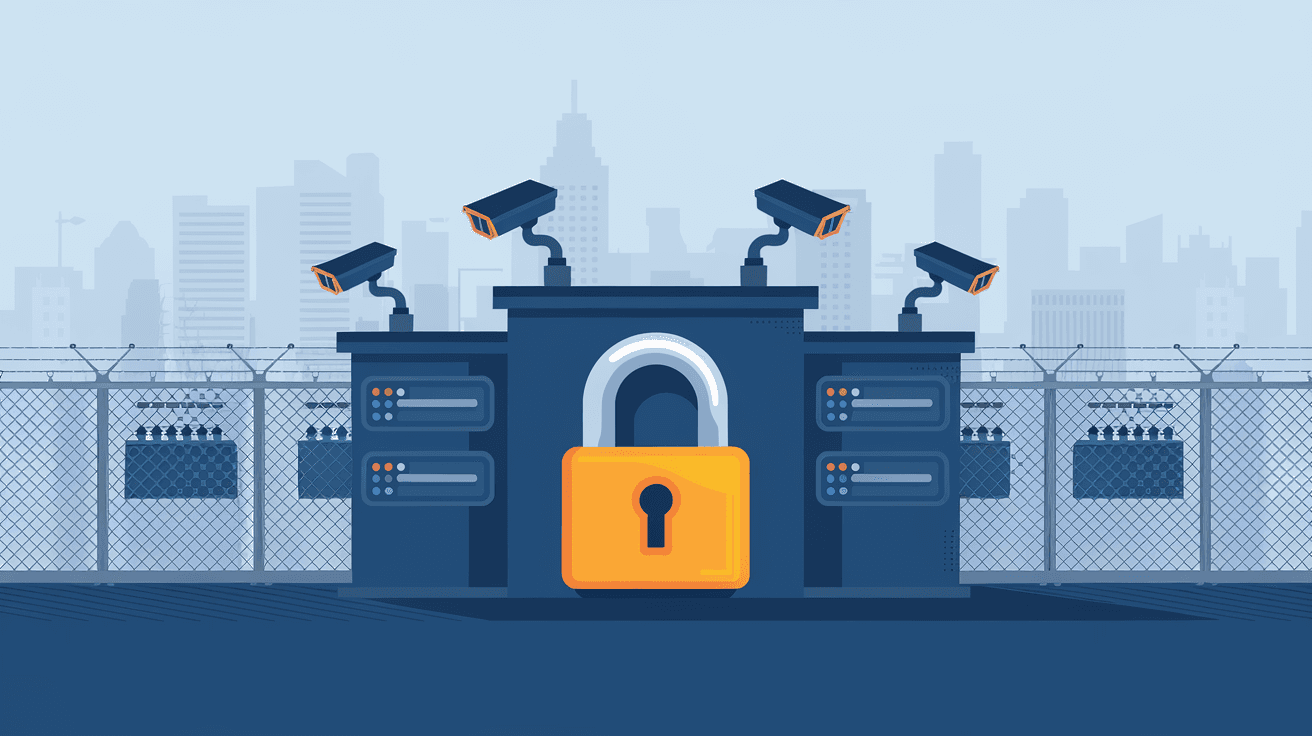
A secure gateway is a technology that controls and protects the flow of data between different networks. Think of it as a security checkpoint that inspects all incoming and outgoing traffic. It ensures that only safe and authorized data passes through.
Secure gateways are often used in businesses to protect sensitive information from cyberattacks. They can be hardware devices, software programs, or a combination of both. Their main goal is to prevent unauthorized access and keep networks safe from threats like malware, hackers, and data leaks.
Key Functions of a Secure Gateway
- Traffic Filtering: Blocks harmful or suspicious data packets.
- Authentication: Verifies users or devices before allowing access.
- Encryption: Protects data by converting it into a secure format.
- Monitoring: Tracks network activity to detect unusual behavior.
How Does a Secure Gateway Work?
A secure gateway works by acting as a middleman between your internal network and external sources like the internet. When data tries to enter or leave your network, the gateway checks it carefully.
Here’s a simple breakdown of the process:
- Data Inspection: The gateway examines the data packets for threats or unauthorized content.
- Policy Enforcement: It applies security rules set by your organization.
- Access Control: Only trusted users and devices get permission to communicate.
- Data Encryption: Sensitive information is encrypted to prevent interception.
- Logging and Alerts: Suspicious activities are logged, and alerts are sent to administrators.
This process helps stop cyberattacks before they reach your network and ensures that your data stays private.
Types of Secure Gateways
There are several types of secure gateways, each designed for specific security needs. Here are the most common ones:
1. Network Secure Gateway
This type protects entire networks by filtering traffic at the network level. It’s often used in corporate environments to secure internal systems from external threats.
- Filters incoming and outgoing traffic.
- Blocks malicious IP addresses.
- Supports VPN connections for secure remote access.
2. Cloud Secure Gateway
With more businesses moving to the cloud, cloud secure gateways have become essential. They protect cloud applications and data by controlling access and monitoring cloud traffic.
- Secures cloud-based apps like email and storage.
- Prevents data leaks from cloud services.
- Integrates with cloud security platforms.
3. Web Secure Gateway
Web secure gateways focus on controlling and securing web traffic. They block access to harmful websites and prevent web-based attacks such as phishing.
- Filters web content based on policies.
- Blocks malware and phishing sites.
- Monitors user web activity.
4. API Secure Gateway
APIs (Application Programming Interfaces) connect different software systems. API secure gateways protect these connections by managing and securing API traffic.
- Controls API access.
- Protects against API attacks.
- Ensures data privacy in API communication.
Why Is a Secure Gateway Important?
Secure gateways are crucial because they provide a strong defense against cyber threats. Without them, your network and data are vulnerable to attacks that can cause serious damage.
Here’s why you should consider using a secure gateway:
- Protects Sensitive Data: Keeps customer and business information safe.
- Prevents Cyberattacks: Stops malware, ransomware, and hacking attempts.
- Ensures Compliance: Helps meet legal and industry security standards.
- Improves Network Performance: Filters unwanted traffic to reduce congestion.
- Supports Remote Work: Secures connections for employees working from anywhere.
Real-World Examples of Secure Gateway Use
Many organizations rely on secure gateways to protect their digital assets. Here are some examples:
- Banks: Use secure gateways to protect online banking systems from fraud and cyberattacks.
- Healthcare Providers: Secure patient records and comply with privacy laws like HIPAA.
- E-commerce Sites: Protect customer payment information and prevent data breaches.
- Educational Institutions: Secure student data and control access to online resources.
How to Choose the Right Secure Gateway
Choosing the right secure gateway depends on your specific needs. Here are some factors to consider:
- Security Features: Look for gateways with strong encryption, authentication, and threat detection.
- Scalability: Ensure it can grow with your business.
- Ease of Use: Choose a solution that is easy to manage and configure.
- Integration: Check if it works well with your existing systems and cloud services.
- Cost: Consider your budget and the total cost of ownership.
Implementing a Secure Gateway in Your Network
Setting up a secure gateway involves several steps. Here’s a simple guide to get started:
- Assess Your Needs: Identify what data and systems need protection.
- Select a Gateway: Choose the type and vendor that fit your requirements.
- Configure Security Policies: Define rules for traffic filtering, access control, and monitoring.
- Deploy the Gateway: Install hardware or software in your network.
- Test and Monitor: Regularly check the gateway’s performance and update policies as needed.
Common Challenges with Secure Gateways
While secure gateways are powerful, they can come with challenges:
- Complex Configuration: Setting up rules and policies can be complicated.
- Performance Impact: Some gateways may slow down network traffic.
- False Positives: Legitimate traffic might be blocked accidentally.
- Maintenance: Requires regular updates and monitoring to stay effective.
Addressing these challenges involves careful planning, training, and choosing the right technology.
Future Trends in Secure Gateway Technology
Secure gateways continue to evolve with new technologies. Here are some trends shaping their future:
- AI and Machine Learning: Used to detect threats faster and more accurately.
- Zero Trust Security: Gateways enforce strict verification for every access request.
- Integration with Cloud Security: More gateways are designed to protect hybrid and multi-cloud environments.
- Automation: Simplifies management and response to security incidents.
These trends will make secure gateways smarter and more efficient in protecting networks.
Conclusion
Understanding what a secure gateway is and how it works is essential in today’s digital world. It acts as a strong shield, protecting your network from cyber threats and keeping your data safe. Whether you run a business or manage IT systems, secure gateways help you control access, monitor traffic, and prevent attacks.
By choosing the right secure gateway and implementing it properly, you can improve your security posture and support safe, reliable network access. As technology advances, secure gateways will continue to play a vital role in defending against evolving cyber risks.
FAQs
What is the main purpose of a secure gateway?
A secure gateway’s main purpose is to protect networks by filtering traffic, controlling access, and preventing unauthorized data from entering or leaving the network.
How does a secure gateway differ from a firewall?
While both protect networks, a secure gateway often includes additional features like encryption, authentication, and monitoring, making it a more comprehensive security solution than a basic firewall.
Can a secure gateway protect cloud applications?
Yes, cloud secure gateways are designed specifically to secure cloud apps by controlling access, monitoring traffic, and preventing data leaks in cloud environments.
Is a secure gateway necessary for small businesses?
Yes, even small businesses benefit from secure gateways as they help protect sensitive data and prevent cyberattacks, which can be costly regardless of company size.
How often should a secure gateway be updated?
Secure gateways should be updated regularly to patch vulnerabilities, improve threat detection, and adapt to new security challenges. Many organizations update them monthly or as needed.




