
What is Root of Trust
Introduction
When you hear the term "Root of Trust," it might sound technical and complex. But understanding it is easier than you think. Your devices, from smartphones to laptops, rely on a Root of Trust to keep your data safe and ensure the system boots securely.
In this article, I’ll explain what a Root of Trust is, why it matters, and how it works in everyday technology. By the end, you’ll see how this concept plays a key role in protecting your digital life.
What Is Root of Trust?
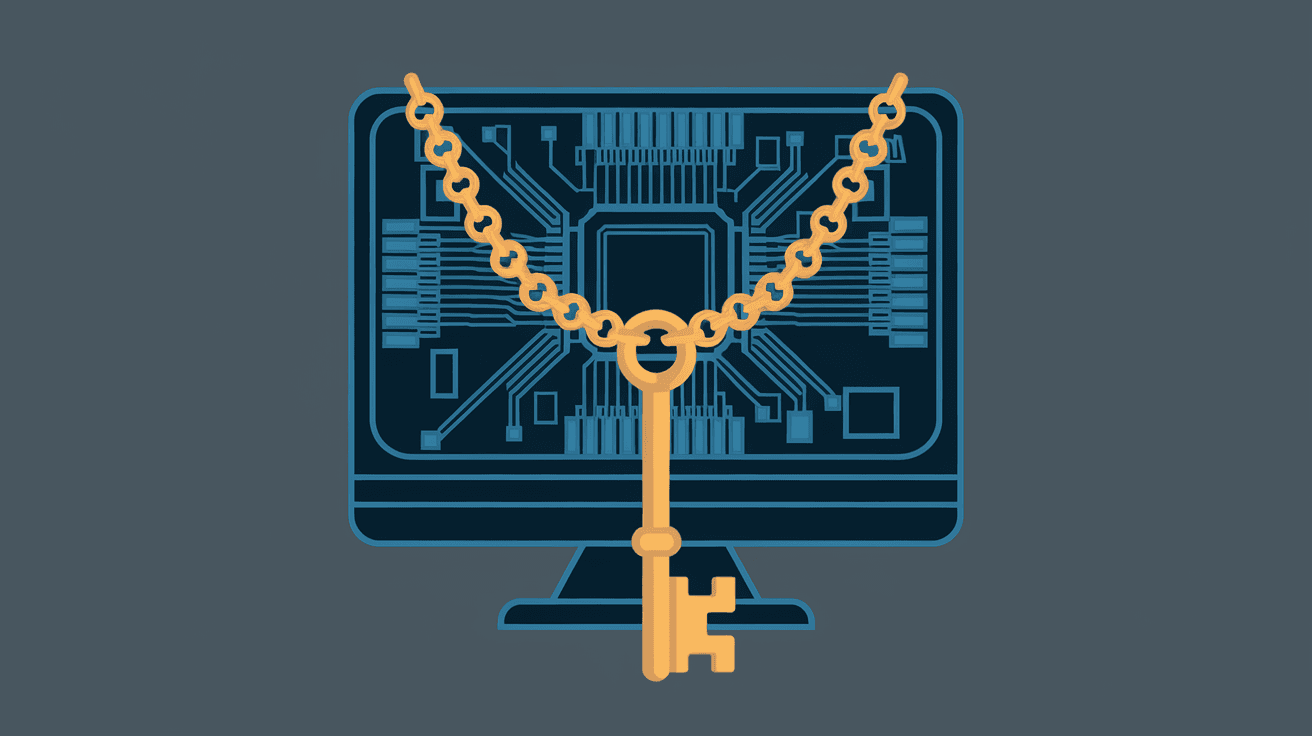
A Root of Trust (RoT) is a set of trusted functions or components in a device that forms the foundation for security. It acts like a trusted anchor that other parts of the system rely on to verify integrity and authenticity.
Think of it as the "security root" that everything else depends on. Without it, your device cannot be sure that the software or hardware hasn’t been tampered with.
Key Characteristics of Root of Trust
- Immutable: The Root of Trust is usually built into hardware or firmware, making it very hard to change or hack.
- Trusted: It is the first thing the system trusts when starting up.
- Verifiable: It can verify other components before they run.
Why Is Root of Trust Important?
The Root of Trust is crucial because it establishes a chain of trust in your device. This chain ensures that every step in the boot process and software loading is secure and hasn’t been altered by attackers.
Without a Root of Trust, devices are vulnerable to malware, unauthorized access, and data theft. It helps prevent:
- Booting from malicious software
- Unauthorized firmware updates
- Data breaches through hardware attacks
Real-World Examples
- Smartphones: Use Root of Trust to verify the operating system before it loads.
- Banking Systems: Rely on RoT to secure transactions and protect sensitive data.
- IoT Devices: Use RoT to ensure only trusted software runs, preventing hacking.
How Does Root of Trust Work?
Root of Trust works by providing a secure starting point for the device’s boot process and security functions. Here’s a simple breakdown:
- Secure Boot: The RoT verifies the first piece of code that runs when the device powers on.
- Measurement: It measures and records the state of software components.
- Attestation: It proves to external systems that the device is in a trusted state.
- Key Management: It securely stores cryptographic keys used for encryption and authentication.
Types of Root of Trust
- Hardware Root of Trust: Embedded in chips like TPM (Trusted Platform Module) or secure elements.
- Firmware Root of Trust: Built into the device’s firmware, often in read-only memory.
- Software Root of Trust: Less secure, relies on software but can be combined with hardware RoT.
Components of Root of Trust
Several components work together to create a Root of Trust:
- Trusted Platform Module (TPM): A hardware chip that stores keys and performs cryptographic operations.
- Secure Bootloader: Verifies the integrity of the operating system before loading.
- Hardware Security Module (HSM): Used in servers and cloud environments for key management.
- Secure Enclave: Found in devices like Apple’s iPhones, it isolates sensitive operations.
How These Components Interact
- The TPM or secure element holds cryptographic keys.
- The secure bootloader checks the firmware and OS signatures.
- The secure enclave processes sensitive data separately.
- Together, they create a trusted environment for the device.
Root of Trust in Modern Devices
Modern devices increasingly rely on Root of Trust to protect against advanced threats. For example:
- Smartphones: Use secure enclaves and hardware RoT to protect biometric data.
- Laptops: Use TPM chips to enable features like BitLocker encryption.
- Cloud Servers: Use HSMs to secure keys and verify software integrity.
Benefits for Users
- Enhanced security for personal data
- Protection against malware and hacking
- Secure updates and software verification
- Trusted identity verification
Challenges and Limitations
While Root of Trust is powerful, it has some challenges:
- Hardware Dependency: If the hardware is compromised, the entire trust chain fails.
- Complexity: Implementing RoT correctly requires expertise.
- Cost: Adding hardware security modules can increase device cost.
- Supply Chain Risks: Hardware can be tampered with before reaching users.
Despite these challenges, Root of Trust remains a cornerstone of device security.
How to Identify Devices with Root of Trust
If you want to know whether your device uses a Root of Trust, look for:
- TPM chips: Common in Windows laptops.
- Secure Boot: Enabled in BIOS or UEFI settings.
- Secure Enclave or Trusted Execution Environment (TEE): Found in smartphones.
- Vendor Documentation: Manufacturers often mention RoT features.
Future of Root of Trust
As cyber threats evolve, Root of Trust will become even more critical. Emerging trends include:
- Integration with AI: Using AI to detect anomalies in trusted environments.
- Post-Quantum Cryptography: Preparing RoT for future quantum attacks.
- Expanded Use in IoT: Securing billions of connected devices.
- Cloud and Edge Computing: Extending RoT concepts to distributed systems.
These developments will help keep your devices and data safe in the years ahead.
Conclusion
Understanding the Root of Trust helps you appreciate the hidden security layers in your devices. It acts as the foundation that ensures your system boots securely and runs trusted software. Whether it’s your phone, laptop, or smart home device, Root of Trust plays a vital role in protecting your digital world.
By knowing how Root of Trust works and why it matters, you can make smarter choices about device security. As technology advances, this trusted foundation will continue to guard against threats and keep your information safe.
FAQs
What is the difference between Root of Trust and Secure Boot?
Root of Trust is the trusted foundation that Secure Boot relies on. Secure Boot uses the Root of Trust to verify software integrity during startup, ensuring only trusted code runs.
Can Root of Trust be hacked?
While Root of Trust is designed to be highly secure, hardware vulnerabilities or supply chain attacks can compromise it. However, it is much harder to hack than software-only security.
Is Root of Trust only hardware-based?
No, Root of Trust can be hardware, firmware, or software-based. Hardware RoT is the most secure, but firmware and software RoT also exist, often working together.
How does Root of Trust protect my data?
It securely stores cryptographic keys and verifies software integrity, preventing unauthorized access and ensuring data is encrypted and safe from tampering.
Do all devices have a Root of Trust?
Most modern devices, especially smartphones, laptops, and IoT gadgets, include some form of Root of Trust to ensure security and trusted computing.




