
What is Risk Scoring Engine
Introduction
When you hear the term "risk scoring engine," you might wonder what it really means and why it matters. You’re not alone. Many businesses and individuals face risks every day, from financial fraud to cybersecurity threats. A risk scoring engine helps you understand and manage these risks better.
In this article, I’ll explain what a risk scoring engine is, how it works, and why it’s becoming a vital tool for companies. By the end, you’ll see how this technology can help you make smarter decisions and protect your interests.
What Is a Risk Scoring Engine?
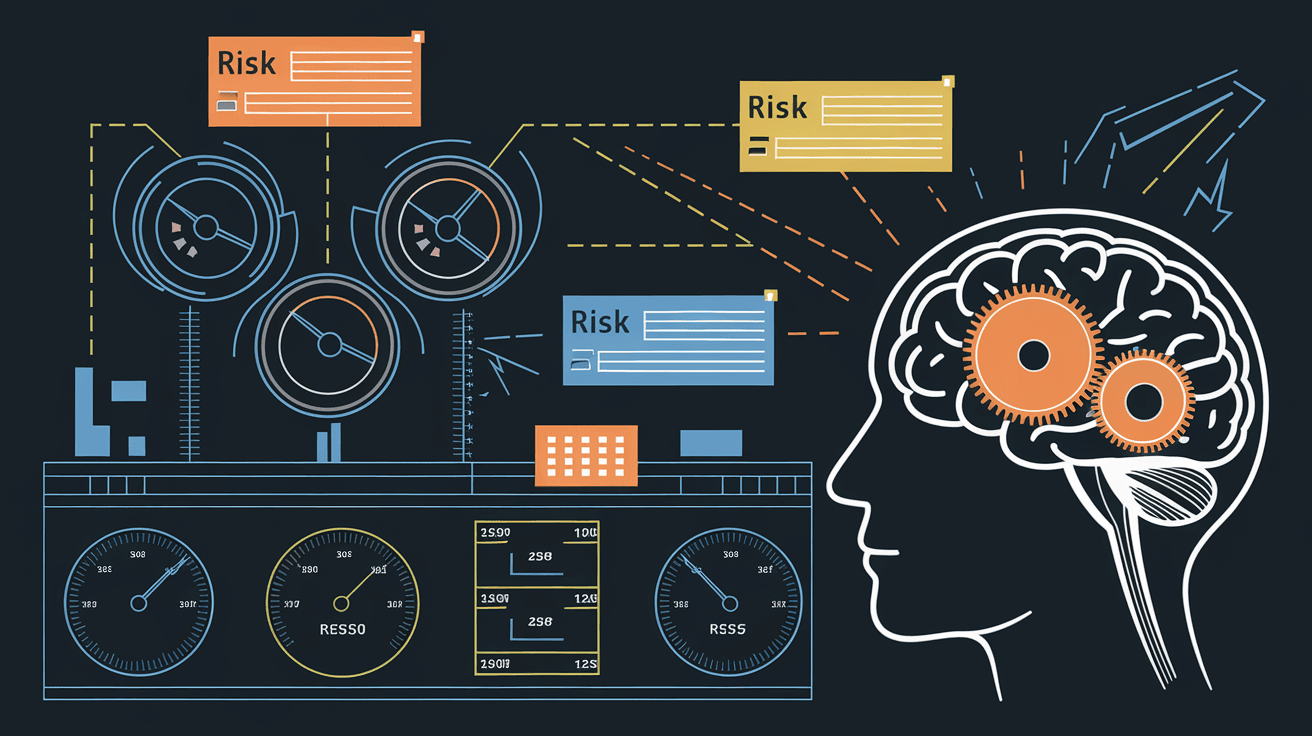
A risk scoring engine is a software tool that analyzes data to assign a risk score to an individual, transaction, or entity. This score helps businesses decide how risky a situation is. The higher the score, the greater the risk.
Risk scoring engines are used in many industries, including finance, insurance, healthcare, and cybersecurity. They help companies identify potential problems before they happen. For example, banks use them to detect fraudulent transactions, while insurers use them to assess the likelihood of claims.
How Does a Risk Scoring Engine Work?
At its core, a risk scoring engine collects and processes data from various sources. It then applies algorithms and rules to evaluate the risk level. Here’s a simple breakdown:
- Data Collection: The engine gathers information such as transaction history, user behavior, credit scores, or device details.
- Data Analysis: It uses statistical models, machine learning, or rule-based systems to analyze the data.
- Score Assignment: Based on the analysis, the engine assigns a numerical risk score.
- Decision Making: Businesses use the score to approve, reject, or flag transactions or actions for further review.
This process happens quickly, often in real-time, allowing companies to respond immediately to potential risks.
Why Are Risk Scoring Engines Important?
Risk scoring engines are crucial because they help reduce losses and improve decision-making. Without them, companies might rely on guesswork or slow manual reviews, which can lead to mistakes.
Here are some reasons why risk scoring engines matter:
- Fraud Prevention: They detect suspicious activities early, saving money and reputation.
- Compliance: They help companies follow regulations by identifying risky behaviors.
- Efficiency: Automated scoring speeds up processes like loan approvals or insurance underwriting.
- Customer Experience: By quickly identifying low-risk cases, companies can offer faster service to trustworthy customers.
Types of Risk Scoring Engines
Risk scoring engines come in different types depending on their purpose and the industry they serve. Here are some common types:
Financial Risk Scoring Engines
Used by banks and lenders, these engines assess creditworthiness and fraud risk. They analyze credit history, income, spending patterns, and transaction anomalies.
Cybersecurity Risk Scoring Engines
These engines evaluate the risk of cyber threats by analyzing network activity, user behavior, and device security. They help detect potential breaches or malware attacks.
Insurance Risk Scoring Engines
Insurers use these to estimate the likelihood of claims. They consider factors like health records, driving history, or property conditions to set premiums.
Operational Risk Scoring Engines
Businesses use these to assess risks in their operations, such as supply chain disruptions or employee errors. They help improve safety and reduce losses.
Key Features of a Good Risk Scoring Engine
When choosing or building a risk scoring engine, certain features are essential for effectiveness:
- Accuracy: The engine must provide reliable risk scores based on solid data.
- Speed: Real-time or near-real-time scoring is critical for fast decision-making.
- Flexibility: It should adapt to different industries and risk types.
- Transparency: Clear explanations of how scores are calculated help build trust.
- Integration: The engine should easily connect with existing systems and data sources.
- Scalability: It must handle growing data volumes and user demands.
How Businesses Use Risk Scoring Engines
Businesses apply risk scoring engines in many ways to protect themselves and their customers. Here are some examples:
Fraud Detection in Banking
Banks use risk scoring engines to monitor transactions. If a transaction scores high for risk, it might be blocked or flagged for review. This reduces fraud losses and protects customers.
Loan Approval Process
Lenders use risk scores to decide whether to approve loans. A low-risk score means the borrower is likely to repay, while a high-risk score might lead to rejection or higher interest rates.
Insurance Underwriting
Insurance companies assess risk scores to set premiums. Customers with lower risk scores pay less, while higher-risk individuals pay more or may be denied coverage.
Cybersecurity Monitoring
Companies use risk scoring engines to detect unusual network activity. High-risk scores can trigger alerts or automatic defenses against cyberattacks.
Challenges in Implementing Risk Scoring Engines
While risk scoring engines offer many benefits, they also come with challenges:
- Data Quality: Poor or incomplete data can lead to inaccurate scores.
- Bias: Algorithms may unintentionally favor or discriminate against certain groups.
- Complexity: Building and maintaining scoring models requires expertise.
- Privacy: Handling sensitive data must comply with privacy laws and regulations.
- False Positives: Incorrectly flagging low-risk cases can frustrate customers.
Businesses must address these issues to get the most value from their risk scoring engines.
Future Trends in Risk Scoring Engines
The field of risk scoring is evolving rapidly. Here are some trends shaping its future:
- Artificial Intelligence: AI and machine learning improve accuracy by learning from new data continuously.
- Explainable AI: New models focus on transparency, helping users understand how scores are generated.
- Real-Time Analytics: Faster processing enables instant risk assessment in more scenarios.
- Cross-Industry Data Sharing: Collaboration between industries enhances risk detection.
- Regulatory Advances: New rules ensure fairness and privacy in risk scoring practices.
These trends will make risk scoring engines smarter, fairer, and more useful.
Conclusion
Understanding what a risk scoring engine is can help you appreciate its role in today’s business world. These engines analyze data to assign risk scores, helping companies make better decisions quickly. Whether it’s preventing fraud, approving loans, or managing cybersecurity threats, risk scoring engines are powerful tools.
As technology advances, risk scoring engines will become even more accurate and transparent. If you’re involved in business or finance, knowing how these engines work can give you an edge. They help protect assets, improve efficiency, and create safer environments for everyone.
FAQs
What industries use risk scoring engines the most?
Financial services, insurance, and cybersecurity are the top industries using risk scoring engines. They rely on these tools to detect fraud, assess credit risk, and monitor cyber threats effectively.
How does a risk scoring engine improve fraud detection?
By analyzing transaction patterns and user behavior, the engine assigns risk scores. High-risk scores trigger alerts or blocks, helping businesses catch fraudulent activities early.
Can risk scoring engines be biased?
Yes, if the data or algorithms are flawed, bias can occur. It’s important to use diverse data and regularly test models to ensure fairness and accuracy.
Are risk scoring engines expensive to implement?
Costs vary depending on complexity and scale. Cloud-based solutions and off-the-shelf products can reduce expenses, making them accessible to many businesses.
How do risk scoring engines handle privacy concerns?
They comply with data protection laws by anonymizing data, securing storage, and limiting access. Transparency about data use also helps maintain trust.




