
What is Risk Management Framework
Introduction
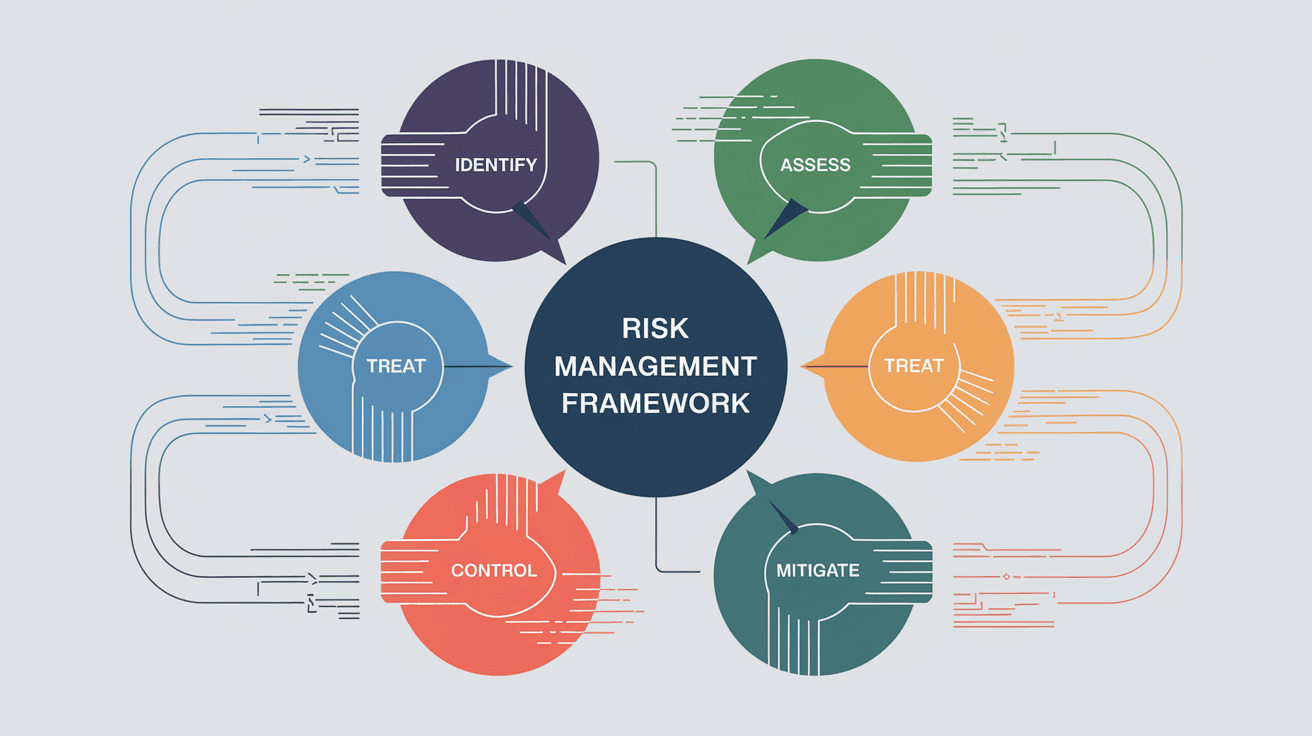
When you hear the term "Risk Management Framework," you might wonder what it really means and why it’s important. You’re not alone. Many organizations use this framework to identify, assess, and control risks that could affect their goals. Whether you work in business, IT, or any other field, understanding this framework can help you make smarter decisions.
In this article, I’ll walk you through what a Risk Management Framework (RMF) is, how it works, and why it’s essential for managing risks in today’s fast-changing world. You’ll also see examples and practical steps to apply it in your own work.
What is a Risk Management Framework?
A Risk Management Framework is a structured process that helps organizations manage risks systematically. It provides a clear set of steps to identify potential problems, evaluate their impact, and decide how to handle them. The goal is to reduce surprises and protect the organization’s assets and reputation.
Here’s what makes an RMF stand out:
- Structured Approach: It breaks down risk management into clear phases.
- Consistency: Ensures everyone follows the same process.
- Decision Support: Helps leaders make informed choices.
- Compliance: Often aligns with laws and industry standards.
By using an RMF, organizations can spot risks early and respond effectively, saving time and money.
Why is Risk Management Framework Important?
You might ask, why bother with a formal framework? The answer is simple: risks are everywhere, and managing them well can mean the difference between success and failure.
Here’s why RMF matters:
- Protects Resources: Helps safeguard money, people, and data.
- Improves Planning: Anticipates problems before they happen.
- Supports Compliance: Meets legal and regulatory requirements.
- Builds Trust: Shows stakeholders you’re prepared.
- Enhances Resilience: Helps bounce back from setbacks faster.
For example, in cybersecurity, an RMF guides how to protect sensitive information from hackers. In finance, it helps avoid costly mistakes by assessing market risks.
Key Components of a Risk Management Framework
An effective RMF usually includes several key components. These parts work together to create a full picture of risk and how to handle it.
1. Risk Identification
This is the first step where you find out what risks exist. It involves looking at all possible threats that could affect your project or organization.
- Brainstorming sessions
- Reviewing past incidents
- Using checklists or risk registers
2. Risk Assessment
Once risks are identified, you need to understand their impact and likelihood. This helps prioritize which risks need attention.
- Qualitative methods (e.g., high, medium, low)
- Quantitative methods (e.g., numerical scores)
- Risk matrices to visualize severity
3. Risk Mitigation
After assessing risks, you decide how to handle them. Options include:
- Avoiding the risk (changing plans)
- Reducing the risk (controls and safeguards)
- Transferring the risk (insurance or contracts)
- Accepting the risk (when it’s low or unavoidable)
4. Risk Monitoring and Review
Risks change over time, so continuous monitoring is essential. This step tracks risk status and the effectiveness of controls.
- Regular audits
- Updating risk registers
- Reporting to management
5. Communication and Reporting
Clear communication ensures everyone understands risks and their roles. Reporting keeps stakeholders informed and engaged.
- Risk dashboards
- Meetings and updates
- Documentation for compliance
Popular Risk Management Frameworks
Several RMFs are widely used across industries. Each has its own focus but shares the core principles of risk management.
NIST Risk Management Framework
Developed by the National Institute of Standards and Technology, this RMF is popular in cybersecurity and government sectors. It emphasizes:
- Categorizing information systems
- Selecting and implementing security controls
- Continuous monitoring
ISO 31000
This international standard provides guidelines for risk management applicable to any organization. It focuses on:
- Integrating risk management into all activities
- Customizing the framework to fit the organization
- Emphasizing leadership and culture
COSO ERM Framework
The Committee of Sponsoring Organizations created this framework mainly for enterprise risk management. It highlights:
- Aligning risk appetite with strategy
- Enhancing risk response decisions
- Improving performance through risk awareness
How to Implement a Risk Management Framework
Implementing an RMF might seem complex, but breaking it down makes it manageable. Here’s a simple approach you can follow:
Step 1: Define the Context
Understand your organization’s goals, environment, and risk appetite. This sets the stage for meaningful risk management.
Step 2: Identify Risks
Gather input from teams, review data, and list potential risks.
Step 3: Analyze and Evaluate Risks
Use tools like risk matrices or scoring to prioritize risks.
Step 4: Develop Risk Responses
Choose how to treat each risk based on its priority.
Step 5: Monitor and Review
Set up regular check-ins to track risks and update plans.
Step 6: Communicate
Keep everyone informed through reports and meetings.
Benefits of Using a Risk Management Framework
Using an RMF brings many advantages that help organizations stay ahead of challenges.
- Better Decision-Making: Clear data on risks supports smart choices.
- Cost Savings: Preventing problems reduces expenses.
- Improved Compliance: Easier to meet regulations and audits.
- Stronger Reputation: Shows commitment to managing risks.
- Increased Confidence: Teams feel secure knowing risks are managed.
Challenges in Applying a Risk Management Framework
While RMFs are valuable, they come with challenges you should be aware of:
- Complexity: Frameworks can be detailed and hard to understand.
- Resource Intensive: Requires time and skilled people.
- Resistance to Change: Some teams may resist new processes.
- Keeping Up-to-Date: Risks evolve, so frameworks need constant updates.
Overcoming these challenges involves training, leadership support, and adapting the framework to fit your organization’s size and culture.
Examples of Risk Management Framework in Action
To see how RMFs work in real life, here are two examples:
Example 1: Cybersecurity in a Bank
A bank uses the NIST RMF to protect customer data. They categorize their systems, apply security controls, and continuously monitor threats. This reduces the chance of data breaches and builds customer trust.
Example 2: Manufacturing Company
A manufacturer adopts ISO 31000 to manage risks in production. They identify risks like equipment failure and supply chain delays, then create plans to reduce downtime. This improves efficiency and safety.
Conclusion
Now that you know what a Risk Management Framework is, you can see how it helps organizations handle uncertainty. By following a clear process, you can identify risks early, decide how to manage them, and keep your projects or business on track.
Whether you’re in IT, finance, or any other field, using an RMF brings order to the chaos of risks. It protects your resources, supports compliance, and builds confidence among your team and stakeholders. Start exploring RMFs today, and you’ll be better prepared for whatever challenges come your way.
FAQs
What is the main purpose of a Risk Management Framework?
The main purpose is to provide a structured process to identify, assess, and manage risks. It helps organizations reduce surprises and protect their assets and goals.
How does NIST RMF differ from ISO 31000?
NIST RMF focuses on cybersecurity and government systems with detailed security controls. ISO 31000 is broader, offering guidelines for risk management across all industries.
Can small businesses benefit from a Risk Management Framework?
Yes, small businesses can adapt RMFs to fit their size and needs. It helps them anticipate risks and avoid costly mistakes.
What types of risks does an RMF cover?
An RMF covers various risks, including financial, operational, strategic, cybersecurity, and compliance risks.
How often should risks be reviewed in an RMF?
Risks should be reviewed regularly, often quarterly or whenever significant changes occur, to ensure controls remain effective.




