
What is Risk Assessment
Introduction
When you hear the term "risk assessment," you might wonder what it really means and why it’s important. Simply put, risk assessment is a way to identify potential problems before they happen. It helps you understand what could go wrong and how serious those problems might be.
Whether you’re managing a business, planning a project, or even just making daily decisions, knowing how to assess risks can save you time, money, and stress. In this article, I’ll walk you through what risk assessment is, why it matters, and how you can do it effectively.
What Is Risk Assessment?
Risk assessment is the process of identifying, analyzing, and evaluating risks. It helps you figure out what dangers exist in a situation and how likely they are to cause harm. This process is used in many fields, from healthcare and construction to finance and cybersecurity.
Here’s how it works in simple terms:
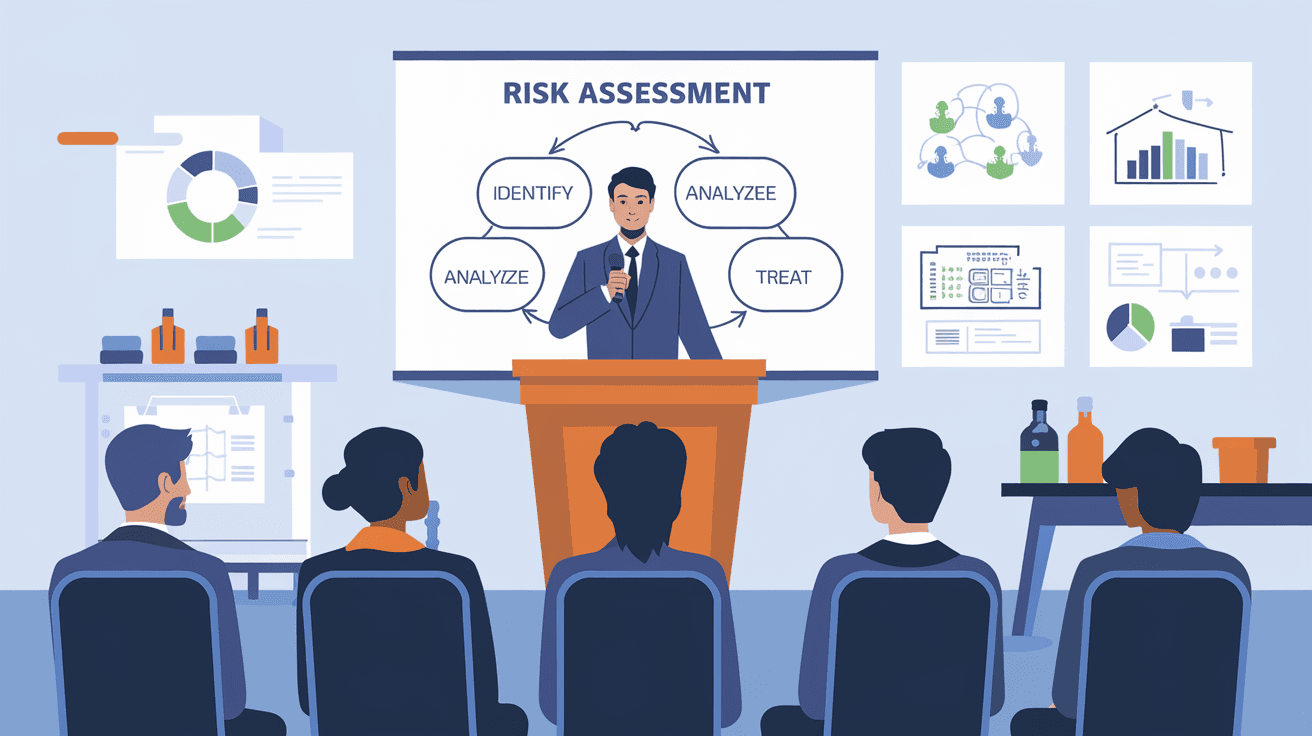
- Identify Risks: Spot anything that could cause harm or loss.
- Analyze Risks: Understand how likely these risks are and how bad the impact could be.
- Evaluate Risks: Decide which risks need attention and what actions to take.
By doing this, you can make smarter decisions and protect yourself or your organization from unexpected problems.
Why Is Risk Assessment Important?
Risk assessment is important because it helps you avoid surprises and prepare for challenges. Without it, you might miss warning signs and face bigger problems later on.
Here are some reasons why risk assessment matters:
- Prevents Accidents and Losses: By spotting hazards early, you can prevent injuries or financial losses.
- Improves Decision-Making: Knowing the risks helps you choose safer options.
- Ensures Compliance: Many industries require risk assessments to meet legal standards.
- Protects Reputation: Managing risks well keeps your business or project trustworthy.
- Saves Money: Fixing problems before they happen is usually cheaper than dealing with the aftermath.
In short, risk assessment is a smart way to stay safe and successful.
Types of Risk Assessment
Risk assessments come in different forms depending on the context. Here are some common types:
- Qualitative Risk Assessment: Uses descriptions like “high,” “medium,” or “low” to rate risks. It’s useful when exact data isn’t available.
- Quantitative Risk Assessment: Uses numbers and statistics to measure risks. This is common in finance and insurance.
- Generic Risk Assessment: Looks at common risks that apply to many situations, like fire hazards in an office.
- Site-Specific Risk Assessment: Focuses on risks unique to a particular location or project.
Each type helps you understand risks in different ways, so you can choose the best approach for your needs.
How to Conduct a Risk Assessment
Performing a risk assessment involves several clear steps. Here’s a simple guide you can follow:
Step 1: Identify Hazards
Look around and list anything that could cause harm. This could be physical dangers, like slippery floors, or less obvious risks, like data breaches.
- Walk through the area or process.
- Talk to people who know the environment well.
- Review past incidents or reports.
Step 2: Decide Who Might Be Harmed
Think about who could be affected by each hazard. This might include employees, customers, or even the public.
- Consider vulnerable groups, such as children or elderly people.
- Don’t forget contractors or visitors.
Step 3: Evaluate the Risks
Determine how likely each hazard is to cause harm and how severe that harm could be.
- Use a risk matrix to rate likelihood and impact.
- Prioritize risks that are both likely and severe.
Step 4: Record Your Findings
Write down what you found and what you plan to do about it. This documentation is important for accountability and future reference.
- Include details about hazards, affected people, and risk levels.
- Note any control measures you will use.
Step 5: Implement Control Measures
Take action to reduce or eliminate risks. Controls can include:
- Removing the hazard entirely.
- Using protective equipment.
- Changing procedures or training people.
Step 6: Review and Update
Risk assessment isn’t a one-time task. You should review it regularly or when things change.
- Update assessments after accidents or near misses.
- Adjust controls if new risks appear.
Examples of Risk Assessment in Different Fields
Risk assessment is used everywhere. Here are some examples to show how it works in different areas:
Workplace Safety
In factories or offices, risk assessments help prevent accidents like falls, burns, or chemical exposure. Employers identify hazards, train workers, and provide safety gear.
Healthcare
Hospitals assess risks to patients, such as infections or medication errors. They use risk assessments to improve care and protect staff.
Construction
Construction sites have many dangers, including heavy machinery and heights. Risk assessments guide safety plans and equipment use.
Cybersecurity
Companies assess risks related to data breaches or hacking. They implement firewalls, encryption, and employee training to reduce threats.
Environmental Protection
Risk assessments evaluate how projects might harm the environment, like pollution or habitat loss. This helps companies follow regulations and protect nature.
Tools and Techniques for Risk Assessment
Several tools can help you perform risk assessments more effectively:
- Risk Matrix: A grid that shows risk levels by combining likelihood and impact.
- Checklists: Lists of common hazards to ensure nothing is missed.
- Software: Programs that help track and analyze risks.
- Brainstorming: Group discussions to identify risks from different perspectives.
- Fault Tree Analysis: A diagram that breaks down causes of a risk.
Using these tools can make your risk assessment clearer and easier to manage.
Common Challenges in Risk Assessment
While risk assessment is valuable, it can be tricky. Here are some challenges you might face:
- Incomplete Information: Sometimes you don’t have all the facts to assess risks accurately.
- Bias: Personal opinions can affect how risks are rated.
- Changing Conditions: Risks can evolve quickly, making assessments outdated.
- Lack of Resources: Time and money constraints can limit thorough assessments.
- Communication Gaps: Not everyone may understand or follow the risk controls.
Being aware of these challenges helps you plan better and improve your risk assessments.
Best Practices for Effective Risk Assessment
To get the most out of your risk assessments, try these tips:
- Involve Everyone: Get input from all levels of your team.
- Keep It Simple: Use clear language and avoid jargon.
- Be Honest: Don’t downplay risks to avoid extra work.
- Document Thoroughly: Keep detailed records for accountability.
- Train Regularly: Make sure everyone knows how to identify and manage risks.
- Review Often: Update assessments to reflect new information or changes.
Following these practices will help you create safer environments and make smarter decisions.
Conclusion
Risk assessment is a powerful tool that helps you spot potential problems before they happen. By identifying hazards, analyzing their impact, and taking action, you can protect people, property, and your reputation. Whether you’re working in healthcare, construction, or any other field, understanding risk assessment is essential.
Remember, risk assessment is not just a one-time task but an ongoing process. Keep reviewing and updating your assessments to stay ahead of new challenges. With the right approach, you can make safer choices and reduce surprises in your personal or professional life.
FAQs
What is the main goal of risk assessment?
The main goal is to identify potential hazards and evaluate their risks so you can take steps to prevent harm or loss.
How often should risk assessments be updated?
Risk assessments should be reviewed regularly and updated whenever there are changes in the environment, processes, or after incidents.
Can risk assessment be done without expert knowledge?
Yes, basic risk assessments can be done by anyone with proper guidance, but complex assessments may require experts.
What is a risk matrix?
A risk matrix is a tool that helps rate risks by combining how likely they are and how severe their impact could be.
Why is documentation important in risk assessment?
Documentation keeps a record of identified risks and control measures, ensuring accountability and helping with future reviews.




