
What is Regulatory Compliance Framework
Introduction
When you run a business, you have to follow many rules and laws. These rules keep your company safe and trustworthy. But how do you make sure you follow all these rules correctly? That’s where a regulatory compliance framework comes in. It helps you organize and manage all the legal requirements your business must meet.
In this article, I’ll explain what a regulatory compliance framework is, why it’s important, and how you can use it to keep your business on track. You’ll also learn about the main parts of these frameworks and some examples from different industries. Let’s dive in and make compliance easier to understand.
What is a Regulatory Compliance Framework?
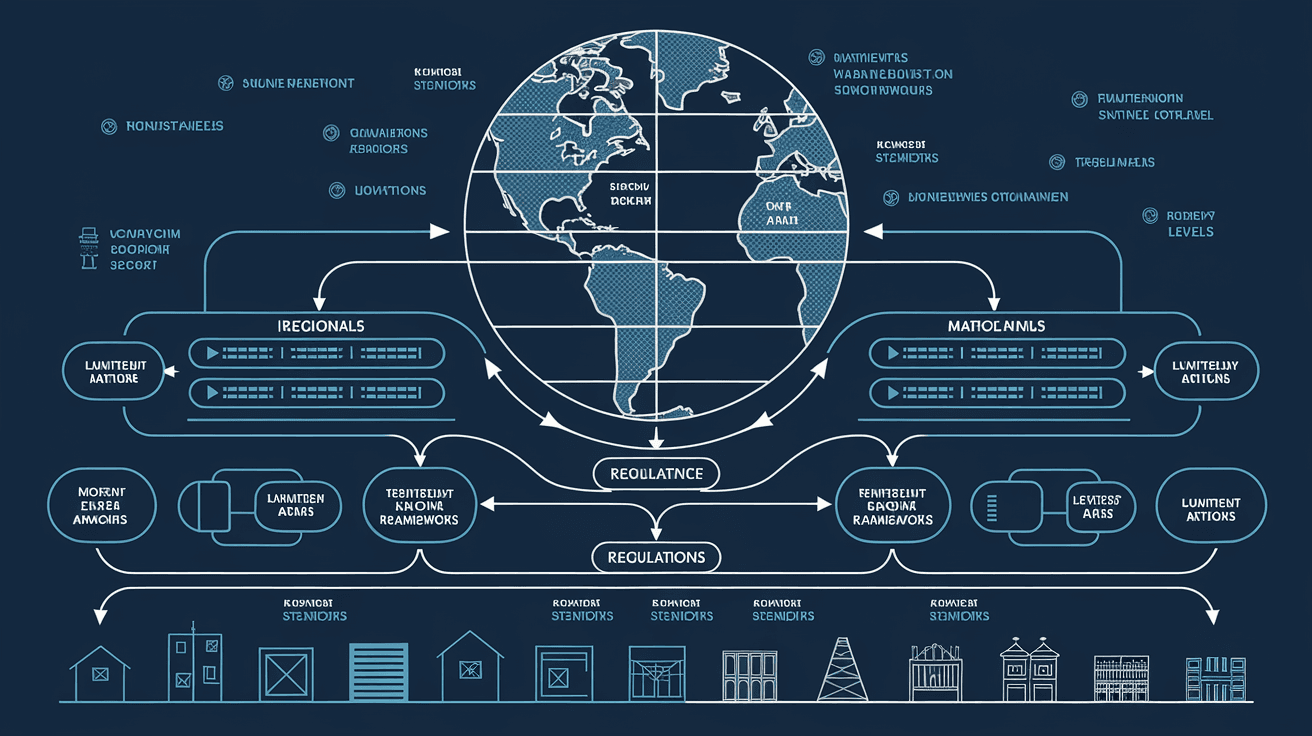
A regulatory compliance framework is a set of guidelines and processes that help organizations follow laws and regulations. It acts like a roadmap, showing businesses what rules they need to follow and how to do it properly. This framework ensures that companies meet legal standards and avoid penalties or fines.
Key Features of a Regulatory Compliance Framework
- Structured Approach: It organizes compliance tasks into clear steps.
- Risk Management: Helps identify and reduce risks related to breaking laws.
- Documentation: Keeps records of compliance activities for audits.
- Continuous Monitoring: Ensures ongoing adherence to changing regulations.
- Accountability: Assigns roles and responsibilities for compliance tasks.
By using a regulatory compliance framework, businesses can stay focused on their goals without worrying about missing important legal requirements.
Why is Regulatory Compliance Framework Important?
Following laws and regulations is not just about avoiding fines. It also builds trust with customers, partners, and regulators. A strong compliance framework helps your business operate smoothly and protects its reputation.
Benefits of Having a Compliance Framework
- Reduces Legal Risks: Prevents costly lawsuits and penalties.
- Improves Efficiency: Streamlines processes by clearly defining what to do.
- Enhances Reputation: Shows customers and investors that your business is responsible.
- Supports Growth: Makes it easier to enter new markets with clear compliance plans.
- Promotes Ethical Behavior: Encourages employees to follow rules and standards.
Without a proper framework, companies may face fines, legal action, or damage to their brand. So, investing in compliance is a smart business move.
Main Components of a Regulatory Compliance Framework
A good compliance framework includes several important parts. Each part plays a role in making sure your business follows the rules.
1. Policies and Procedures
These are written rules that explain how your company will meet legal requirements. Policies set the standards, while procedures describe the steps to follow.
- Examples: Data privacy policy, anti-money laundering procedures.
- Purpose: Provide clear instructions for employees.
2. Risk Assessment
This involves identifying areas where your business might fail to comply with laws. It helps you focus on the most critical risks.
- Methods: Audits, surveys, and reviews.
- Outcome: Prioritized list of risks to address.
3. Training and Awareness
Employees need to understand compliance rules. Training programs teach them about laws and company policies.
- Formats: Workshops, online courses, and manuals.
- Goal: Reduce human errors and promote compliance culture.
4. Monitoring and Auditing
Regular checks ensure that compliance activities are working. Audits can be internal or external.
- Tools: Compliance software, checklists.
- Benefits: Detects issues early and improves processes.
5. Reporting and Documentation
Keeping records of compliance efforts is essential. Reports show regulators that your company is following the rules.
- Includes: Incident reports, audit results, training logs.
- Importance: Helps during inspections or legal reviews.
6. Corrective Actions
When problems are found, your company must fix them quickly.
- Steps: Identify cause, implement solution, prevent recurrence.
- Result: Continuous improvement of compliance.
Examples of Regulatory Compliance Frameworks
Different industries have specific frameworks to follow. Here are some common examples:
Financial Industry: Basel III
- Focus: Banking regulations to manage risk and capital.
- Purpose: Ensure banks have enough capital to cover losses.
- Impact: Protects the financial system from crises.
Healthcare: HIPAA Compliance Framework
- Focus: Protecting patient health information.
- Purpose: Maintain privacy and security of medical data.
- Impact: Builds trust between patients and providers.
Information Technology: GDPR Compliance
- Focus: Data protection for individuals in the European Union.
- Purpose: Control how personal data is collected and used.
- Impact: Gives people more control over their information.
Environmental: ISO 14001
- Focus: Environmental management systems.
- Purpose: Reduce environmental impact of business operations.
- Impact: Promotes sustainable practices.
How to Build a Regulatory Compliance Framework for Your Business
Creating a compliance framework might seem difficult, but breaking it down into steps makes it manageable.
Step 1: Understand Applicable Laws and Regulations
- Research laws that apply to your industry and location.
- Consult legal experts if needed.
Step 2: Develop Policies and Procedures
- Write clear rules based on legal requirements.
- Make sure they are easy to understand.
Step 3: Conduct Risk Assessments
- Identify where your business might not comply.
- Prioritize risks based on severity.
Step 4: Train Your Team
- Provide regular training sessions.
- Use real examples to explain rules.
Step 5: Monitor Compliance Activities
- Use software tools to track compliance.
- Schedule regular audits.
Step 6: Document Everything
- Keep detailed records of all compliance efforts.
- Prepare reports for management and regulators.
Step 7: Take Corrective Actions
- Fix any issues found during audits.
- Update policies if needed.
Challenges in Implementing Regulatory Compliance Frameworks
Even with a good plan, businesses face challenges when managing compliance.
Common Challenges
- Complex Regulations: Laws can be hard to understand and change often.
- Resource Constraints: Small businesses may lack staff or budget.
- Employee Resistance: Some workers may see compliance as extra work.
- Technology Gaps: Lack of proper tools can slow down monitoring.
- Global Operations: Different countries have different rules.
How to Overcome These Challenges
- Stay updated with legal changes through newsletters or experts.
- Use affordable compliance software to automate tasks.
- Communicate the importance of compliance to your team.
- Outsource compliance tasks if needed.
- Customize your framework for different regions.
The Role of Technology in Regulatory Compliance Frameworks
Technology plays a big role in making compliance easier and more effective.
Benefits of Compliance Technology
- Automation: Reduces manual work and errors.
- Real-Time Monitoring: Tracks compliance status instantly.
- Data Management: Stores and organizes documents securely.
- Reporting: Generates reports quickly for audits.
- Training Platforms: Offers online courses for employees.
Popular Compliance Tools
- Governance, Risk, and Compliance (GRC) software.
- Document management systems.
- Risk assessment platforms.
- Learning management systems for training.
Using the right technology helps you stay ahead of compliance requirements and saves time.
Conclusion
A regulatory compliance framework is essential for any business that wants to follow laws and avoid risks. It provides a clear structure to manage rules, train employees, and monitor activities. By understanding its components and benefits, you can build a framework that fits your company’s needs.
Remember, compliance is not a one-time task but an ongoing process. Using technology and staying informed will help you keep your business safe and trustworthy. Start building your regulatory compliance framework today to protect your company and support its growth.
FAQs
What is the main purpose of a regulatory compliance framework?
Its main purpose is to help businesses follow laws and regulations consistently, reducing legal risks and ensuring ethical operations.
How often should a compliance framework be updated?
It should be reviewed and updated regularly, especially when laws change or after audits reveal issues.
Can small businesses benefit from regulatory compliance frameworks?
Yes, even small businesses benefit by avoiding fines, improving efficiency, and building trust with customers.
What industries require regulatory compliance frameworks?
Almost all industries need them, especially finance, healthcare, IT, and environmental sectors.
How does technology improve regulatory compliance?
Technology automates tasks, monitors compliance in real-time, manages documents, and supports employee training, making compliance easier and more accurate.




