
What is Pump-and-Dump Scam
Introduction
You might have heard about pump-and-dump scams, especially if you’re interested in investing or trading stocks and cryptocurrencies. These scams can trick even experienced investors into losing money quickly. Understanding how they work helps you avoid falling into their trap.
In this article, I’ll explain what a pump-and-dump scam is, how scammers operate, and what signs to watch for. By the end, you’ll be better prepared to spot these scams and protect your investments.
What is a Pump-and-Dump Scam?
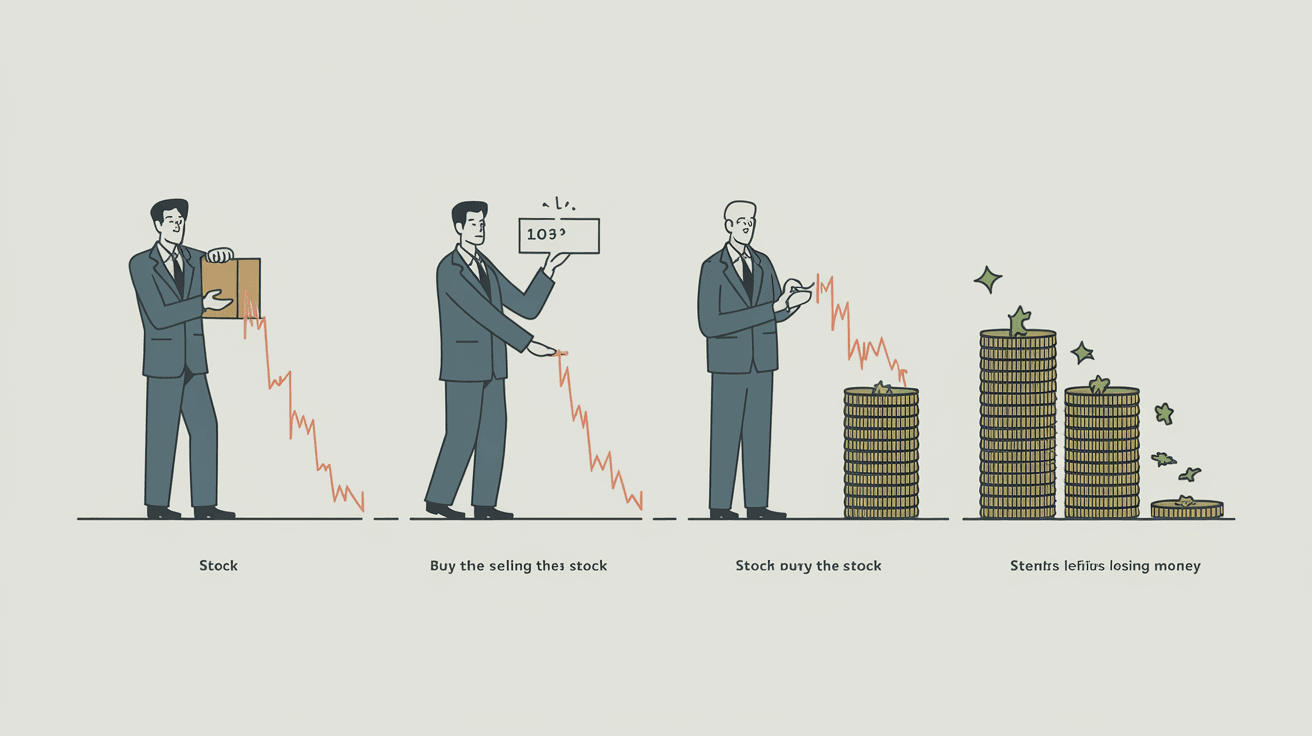
A pump-and-dump scam is a type of investment fraud where scammers artificially inflate the price of a stock or cryptocurrency. They do this by spreading false or misleading information to create hype. Once the price rises, they sell their shares at a profit, causing the price to crash and leaving other investors with losses.
This scam often targets small, low-priced stocks called “penny stocks” or lesser-known cryptocurrencies. These assets are easier to manipulate because they have low trading volumes and less public information.
How It Works
- Pump phase: Scammers promote the asset aggressively using social media, emails, or fake news.
- Price surge: More investors buy in, pushing the price higher.
- Dump phase: Scammers sell their holdings at the inflated price.
- Price collapse: The asset’s price falls sharply, and late investors lose money.
Why Are Pump-and-Dump Scams Common?
Pump-and-dump scams thrive because they exploit human psychology and market weaknesses. Here’s why they remain common:
- Low regulation: Penny stocks and many cryptocurrencies have less oversight.
- Easy promotion: Social media and online forums allow scammers to reach many people quickly.
- Fear of missing out (FOMO): Investors rush to buy when they see prices rising fast.
- Lack of research: Many investors rely on hype instead of solid information.
Examples of Pump-and-Dump Scams
Real-life examples help you understand how these scams play out.
Stock Market Example
In recent years, some penny stocks have been targets of pump-and-dump schemes. Scammers create fake press releases or use social media influencers to hype a stock. For example, a small biotech company’s stock might be promoted as having a breakthrough drug, causing a price spike. Once scammers sell their shares, the stock price crashes.
Cryptocurrency Example
Cryptocurrency markets are especially vulnerable. In 2025, a new altcoin was heavily promoted on crypto forums and social media. The price surged from a few cents to several dollars within days. After scammers sold their coins, the price dropped back to near zero, leaving many investors with losses.
How to Spot a Pump-and-Dump Scam
You can protect yourself by recognizing warning signs early. Watch out for:
- Unsolicited tips: Unexpected messages promoting a stock or coin.
- Excessive hype: Over-the-top claims about guaranteed profits.
- Sudden price spikes: Rapid price increases without clear reasons.
- Low trading volume: Thinly traded assets are easier to manipulate.
- Anonymous promoters: Unknown or fake identities pushing the asset.
Risks and Consequences of Pump-and-Dump Scams
Falling victim to a pump-and-dump scam can be costly. Here’s what you risk:
- Financial loss: You may lose most or all of your investment.
- Legal trouble: Sometimes, investors unknowingly participate in illegal schemes.
- Market instability: These scams damage trust in financial markets.
- Emotional stress: Losing money unexpectedly can affect your confidence.
How Regulators Fight Pump-and-Dump Scams
Regulators like the Securities and Exchange Commission (SEC) and the Financial Industry Regulatory Authority (FINRA) actively monitor and prosecute pump-and-dump schemes. They use:
- Market surveillance: Tracking unusual trading patterns.
- Investigations: Following tips and complaints.
- Enforcement actions: Fines, bans, and criminal charges against scammers.
- Investor education: Providing resources to help people spot scams.
Protecting Yourself from Pump-and-Dump Scams
You can reduce your risk by following these steps:
- Do your research: Check company fundamentals and news from reliable sources.
- Be skeptical: Question hype and promises of quick profits.
- Avoid penny stocks and unknown coins: These are common targets.
- Use reputable platforms: Trade on regulated exchanges.
- Set limits: Don’t invest more than you can afford to lose.
What to Do If You Suspect a Pump-and-Dump Scam
If you think you’ve encountered a pump-and-dump scam:
- Stop trading: Don’t buy or sell based on hype.
- Report it: Contact regulators like the SEC or your country’s financial authority.
- Warn others: Share your experience on forums or social media.
- Seek advice: Talk to a financial advisor before making decisions.
Conclusion
Understanding what a pump-and-dump scam is helps you stay safe in the world of investing. These scams rely on hype and manipulation to trick people into buying overpriced stocks or cryptocurrencies. By learning the signs and doing your homework, you can avoid losing money to these schemes.
Remember, investing wisely means being cautious and informed. Always question sudden price jumps and flashy promotions. Protect your money by sticking to trusted sources and regulated markets.
FAQs
What types of assets are most targeted by pump-and-dump scams?
Pump-and-dump scams usually target penny stocks and lesser-known cryptocurrencies because they have low trading volumes and less regulation, making them easier to manipulate.
How can I tell if a stock is being pumped?
Look for sudden, unexplained price spikes, heavy promotion on social media, and excessive hype promising quick profits. Also, check if the stock has low trading volume.
Are pump-and-dump scams illegal?
Yes, pump-and-dump schemes are illegal in most countries. Regulators actively investigate and prosecute those involved in these fraudulent activities.
Can experienced investors fall for pump-and-dump scams?
Yes, even experienced investors can be tricked, especially during times of market excitement or when they don’t do thorough research.
What should I do if I lose money in a pump-and-dump scam?
Report the scam to financial regulators, avoid further trading based on hype, and seek advice from a trusted financial professional to plan your next steps.




