
What is Public Key Infrastructure
Introduction
You might have heard the term Public Key Infrastructure, or PKI, especially when dealing with online security. But what exactly is it? Simply put, PKI is a system that helps keep your digital information safe. It’s the backbone of secure communication on the internet, making sure that your data stays private and trustworthy.
In this article, I’ll walk you through what PKI is, how it works, and why it’s so important today. Whether you’re a business owner, a tech enthusiast, or just curious about online security, understanding PKI will help you feel more confident about the digital world.
What is Public Key Infrastructure?
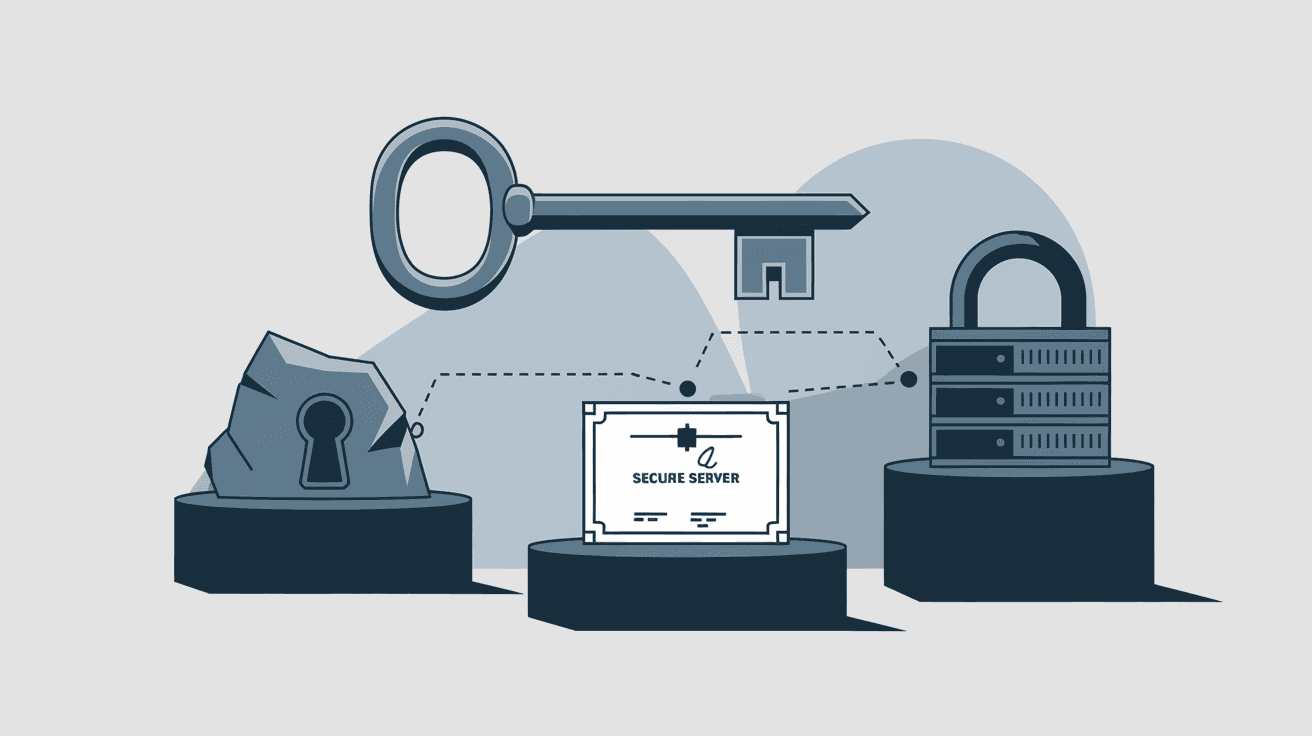
Public Key Infrastructure (PKI) is a framework that manages digital keys and certificates to secure electronic communication. It uses a pair of keys—a public key and a private key—to encrypt and decrypt data. This system ensures that information sent over the internet is confidential, authentic, and hasn’t been tampered with.
PKI is essential for many online activities, such as:
- Secure websites (HTTPS)
- Email encryption
- Digital signatures
- Virtual private networks (VPNs)
- Secure software distribution
By managing keys and certificates, PKI helps verify identities and protect data from hackers or unauthorized users.
How Does Public Key Infrastructure Work?
PKI works by using a combination of cryptographic keys and trusted authorities. Here’s a simple breakdown of the main components and their roles:
Key Components of PKI
- Public Key and Private Key: These are two mathematically linked keys. The public key is shared openly, while the private key is kept secret.
- Digital Certificates: These are electronic documents that link a public key to an entity’s identity, like a person or organization.
- Certificate Authority (CA): A trusted organization that issues and verifies digital certificates.
- Registration Authority (RA): Acts as a verifier before a certificate is issued by the CA.
- Certificate Repository: A database where certificates are stored and can be accessed.
- Certificate Revocation List (CRL): A list of certificates that have been revoked before their expiration date.
The Process of PKI
- Key Generation: The user creates a public-private key pair.
- Certificate Request: The user sends a request to the RA to get a digital certificate.
- Verification: The RA verifies the user’s identity.
- Certificate Issuance: The CA issues a digital certificate linking the public key to the user.
- Secure Communication: Others use the public key to encrypt messages, which only the private key holder can decrypt.
- Certificate Validation: Before trusting a certificate, systems check its validity and whether it’s on the CRL.
This process ensures that communication is secure and that the parties involved are who they claim to be.
Why is Public Key Infrastructure Important?
PKI plays a critical role in securing digital interactions. Here’s why it matters:
- Data Confidentiality: PKI encrypts data, so only intended recipients can read it.
- Authentication: It verifies the identity of users, websites, or devices.
- Data Integrity: Digital signatures ensure that data hasn’t been altered.
- Non-Repudiation: It prevents senders from denying their actions, thanks to digital signatures.
- Trust Establishment: PKI builds trust between parties who don’t know each other.
Without PKI, online banking, e-commerce, and private communications would be vulnerable to interception and fraud.
Real-World Examples of PKI in Use
You encounter PKI every day, often without realizing it. Here are some common examples:
- HTTPS Websites: When you visit a secure website, your browser uses PKI to verify the site’s identity and encrypt data.
- Email Encryption: Services like S/MIME use PKI to protect email content.
- Software Updates: Developers sign software with digital certificates to prove authenticity.
- VPNs: PKI helps establish secure connections between remote users and corporate networks.
- Smart Cards: Used in government and corporate security, smart cards rely on PKI for authentication.
These examples show how PKI supports trust and security in many digital services.
Challenges and Limitations of PKI
While PKI is powerful, it’s not without challenges:
- Complexity: Setting up and managing PKI can be complicated and costly.
- Certificate Management: Handling certificate issuance, renewal, and revocation requires careful attention.
- Trust Issues: If a Certificate Authority is compromised, the whole system’s trust can be broken.
- User Awareness: Users must understand how to handle certificates and keys securely.
- Scalability: Large organizations may face difficulties scaling PKI infrastructure.
Despite these challenges, ongoing improvements and automation tools help make PKI more accessible and reliable.
How to Implement PKI in Your Organization
If you’re considering PKI for your business, here are some steps to get started:
- Assess Your Needs: Identify what you want to secure—emails, websites, VPNs, etc.
- Choose a Certificate Authority: Decide whether to use a public CA or set up a private CA.
- Plan Key Management: Develop policies for key generation, storage, and revocation.
- Deploy PKI Software: Use trusted PKI solutions that fit your infrastructure.
- Train Staff: Educate users on the importance of PKI and secure handling of keys.
- Monitor and Maintain: Regularly check certificates and update your PKI system.
Following these steps helps ensure a smooth and secure PKI deployment.
Future Trends in Public Key Infrastructure
PKI continues to evolve with technology. Here are some trends shaping its future:
- Quantum-Resistant Cryptography: Developing new algorithms to protect against quantum computing threats.
- Automation: More automated certificate management to reduce errors and costs.
- Cloud-Based PKI: Offering scalable and flexible PKI services through the cloud.
- Integration with IoT: Securing billions of connected devices using PKI.
- Blockchain and PKI: Exploring decentralized trust models to complement traditional PKI.
These trends promise to make PKI more secure, efficient, and adaptable to new challenges.
Conclusion
Public Key Infrastructure is a vital technology that keeps our digital world safe. By managing keys and certificates, PKI ensures that your online communications are private, authentic, and trustworthy. Whether you’re browsing a secure website or sending an encrypted email, PKI is working behind the scenes to protect you.
Understanding PKI helps you appreciate the security measures that guard your data every day. As technology advances, PKI will continue to evolve, offering stronger protection and supporting new digital innovations. Embracing PKI is essential for anyone who values privacy and security in the digital age.
FAQs
What is the difference between a public key and a private key?
A public key is shared openly and used to encrypt data, while a private key is kept secret and used to decrypt that data. Together, they enable secure communication.
How does a Certificate Authority (CA) work?
A CA is a trusted organization that issues digital certificates after verifying identities. These certificates link public keys to their owners, establishing trust.
Can PKI be used for email security?
Yes, PKI is widely used for email encryption and digital signatures, ensuring that emails are private and authentic.
What happens if a digital certificate is compromised?
If a certificate is compromised, it is added to a Certificate Revocation List (CRL) to prevent further trust. Systems check this list to avoid using revoked certificates.
Is PKI only used for websites?
No, PKI secures many digital services, including VPNs, software updates, smart cards, and IoT devices, beyond just websites.




