
What is Proxy Chain
Introduction
You might have heard about proxy chains but wondered what they really are and why people use them. In simple terms, a proxy chain is a way to connect to the internet through multiple proxy servers, adding layers of privacy and security. This technique helps hide your real IP address and makes it harder for anyone to track your online activities.
In this article, I’ll explain what a proxy chain is, how it works, and why it’s useful. Whether you want to protect your privacy, bypass restrictions, or improve security, understanding proxy chains can help you make smarter choices online.
What Is a Proxy Chain?
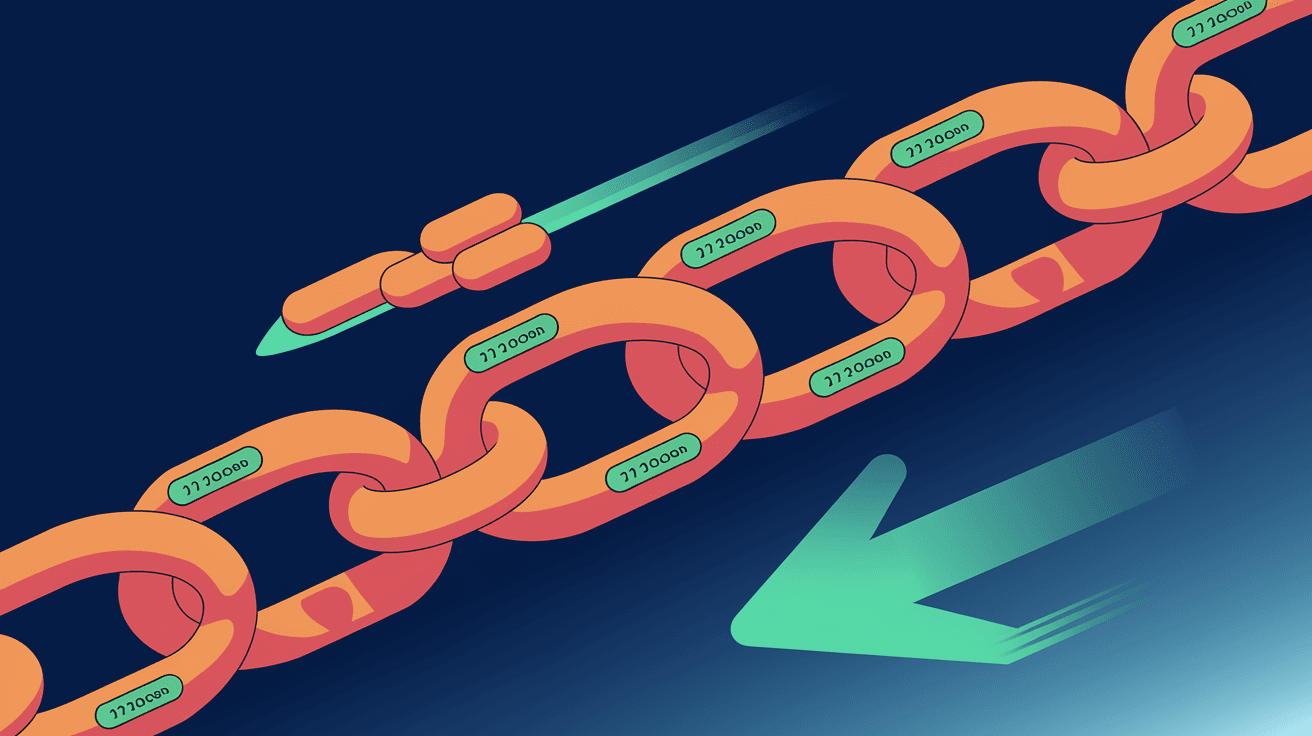
A proxy chain is a sequence of proxy servers that your internet traffic passes through before reaching its final destination. Instead of connecting directly to a website, your request goes through several proxies, each forwarding the request to the next. This process hides your original IP address behind multiple layers.
How Proxy Chains Work
- You send a request to the first proxy server.
- The first proxy forwards the request to the second proxy.
- This continues through all proxies in the chain.
- The last proxy sends the request to the target website.
- The response travels back through the same chain to you.
Each proxy in the chain only knows the IP address of the previous and next proxy, not the entire path. This makes tracking your real location or identity much harder.
Types of Proxies Used in Chains
Proxy chains can include different types of proxies:
- HTTP Proxies: Handle web traffic and can cache content.
- SOCKS Proxies: Work with any kind of traffic, including email and torrenting.
- Transparent Proxies: Do not hide your IP but can filter content.
- Anonymous Proxies: Hide your IP but reveal that you are using a proxy.
- Elite Proxies: Hide your IP and do not reveal proxy usage.
Using a mix of these proxies can increase anonymity.
Why Use a Proxy Chain?
Proxy chains offer several benefits, especially for people concerned about privacy and security online.
Enhanced Privacy
When you use a single proxy, your IP address is hidden, but the proxy itself can be tracked. With a proxy chain, your traffic is routed through multiple servers, making it much harder for anyone to trace back to you.
Bypassing Restrictions
Some websites or services block users based on their IP address or location. Proxy chains can help you bypass these restrictions by routing your traffic through servers in different countries.
Increased Security
Proxy chains can protect you from certain cyber threats. By hiding your IP and encrypting traffic between proxies, it becomes difficult for attackers to intercept your data or launch attacks against your real device.
Use Cases for Proxy Chains
- Journalists and activists use proxy chains to avoid censorship.
- Businesses use them to test websites from different locations.
- Privacy-conscious users use proxy chains to browse anonymously.
- Hackers and penetration testers use proxy chains to mask their identity during security assessments.
How to Set Up a Proxy Chain
Setting up a proxy chain requires some technical knowledge but is manageable with the right tools.
Tools for Proxy Chains
- Proxychains: A popular Linux tool that forces any TCP connection to go through proxies.
- Tor: Uses a built-in proxy chain system to anonymize traffic.
- VPNs with multi-hop: Some VPN providers offer multi-hop connections that work like proxy chains.
Basic Steps to Configure Proxychains on Linux
- Install Proxychains: Use your package manager (e.g.,
sudo apt install proxychains). - Edit the configuration file: Add the list of proxies you want to use in
/etc/proxychains.conf. - Run your application: Prepend
proxychainsto the command (e.g.,proxychains curl example.com).
Example Proxychains Configuration
[ProxyList]
socks5  127.0.0.1 9050
http    192.168.1.100 8080
socks4  10.0.0.1 1080
This example routes traffic through a local SOCKS5 proxy, then an HTTP proxy, and finally a SOCKS4 proxy.
Limitations and Risks of Proxy Chains
While proxy chains improve privacy, they are not perfect and come with some drawbacks.
Speed Reduction
Routing traffic through multiple proxies slows down your connection. Each proxy adds latency, which can affect browsing or streaming quality.
Trust Issues
You must trust the proxies in your chain. If a proxy is malicious, it can intercept or modify your data. Using public or unknown proxies increases this risk.
Not a Complete Anonymity Solution
Proxy chains hide your IP but do not encrypt your traffic unless combined with other tools like VPNs or Tor. Websites can still track you using cookies or browser fingerprinting.
Potential Legal Issues
Using proxy chains to bypass geo-restrictions or access blocked content may violate terms of service or laws in some countries. Always use proxy chains responsibly.
Proxy Chains vs. VPNs vs. Tor
It’s useful to understand how proxy chains compare to other privacy tools.
| Feature | Proxy Chains | VPNs | Tor |
| IP Hiding | Yes, through multiple proxies | Yes, single VPN server | Yes, through multiple relays |
| Encryption | Usually no | Yes, encrypts all traffic | Yes, encrypts within the network |
| Speed | Slower due to multiple hops | Generally faster than proxy chains | Slowest due to multiple relays |
| Ease of Use | Requires configuration | Easy with apps | Easy with Tor Browser |
| Anonymity Level | Moderate | Moderate to high | High |
| Bypass Censorship | Possible | Possible | Very effective |
Choosing between these depends on your needs. Proxy chains offer flexibility and layering, VPNs provide encryption and ease, and Tor offers strong anonymity.
Best Practices When Using Proxy Chains
To get the most out of proxy chains, follow these tips:
- Use trusted proxies to avoid data leaks.
- Combine proxy chains with encryption tools like HTTPS or VPNs.
- Regularly update your proxy list to avoid dead or slow proxies.
- Avoid using proxy chains for sensitive transactions unless combined with encryption.
- Test your setup with IP-checking websites to confirm anonymity.
Conclusion
Proxy chains are a powerful tool to enhance your online privacy and security. By routing your internet traffic through multiple proxy servers, you make it much harder for anyone to track your real IP address or monitor your activities. Whether you want to bypass restrictions, protect your identity, or increase security, proxy chains offer a flexible solution.
However, proxy chains come with trade-offs like slower speeds and the need to trust the proxies you use. They are best combined with other privacy tools like VPNs or Tor for stronger protection. Understanding how proxy chains work and their limitations helps you use them wisely and safely in your online activities.
FAQs
What is the main purpose of a proxy chain?
A proxy chain is mainly used to increase online privacy by routing your internet traffic through multiple proxy servers, hiding your real IP address and making it harder to track your activities.
Can proxy chains guarantee complete anonymity?
No, proxy chains improve anonymity but do not guarantee complete privacy. They don’t encrypt traffic by default and can be vulnerable to tracking methods like cookies or browser fingerprinting.
How do proxy chains differ from VPNs?
Proxy chains route traffic through multiple proxies without necessarily encrypting it, while VPNs encrypt all your traffic and route it through a single secure server, offering easier use and better security.
Are proxy chains legal to use?
Using proxy chains is generally legal, but bypassing geo-restrictions or accessing blocked content may violate laws or terms of service in some regions. Always use proxy chains responsibly.
What tools can I use to create a proxy chain?
Popular tools include Proxychains on Linux, the Tor network, and some VPN providers offering multi-hop connections. These tools help you route traffic through multiple proxies for added privacy.




