
What is Privacy Policy
Introduction
When you visit a website or use an app, you often see a link called "Privacy Policy." But what exactly is a privacy policy, and why should you care about it? Understanding this document helps you know how your personal information is collected, used, and protected.
In this article, I’ll explain what a privacy policy is, why it’s important for both users and businesses, and what key elements it usually contains. By the end, you’ll feel more confident about your online privacy and how to spot trustworthy sites.
What Is a Privacy Policy?
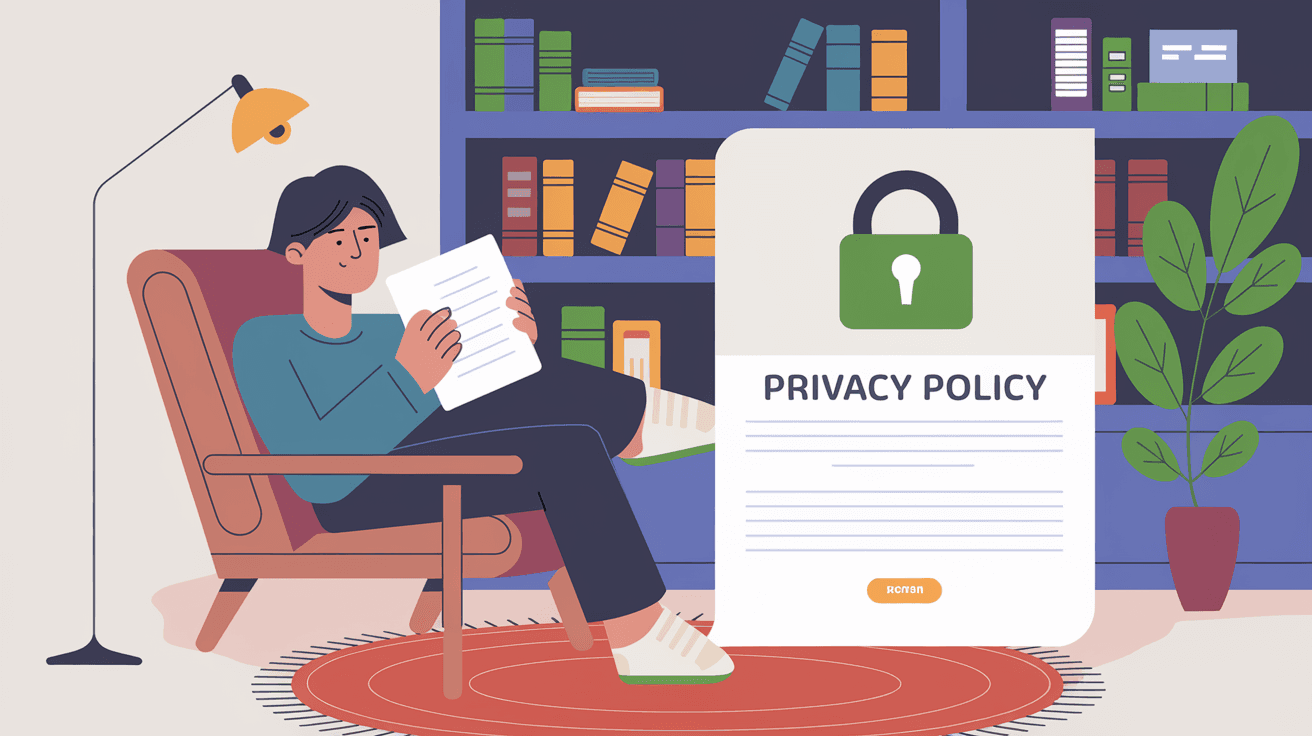
A privacy policy is a legal document that explains how a company or website collects, uses, stores, and shares your personal information. It tells you what data they gather, why they need it, and how they protect it from misuse.
Every website or app that collects personal data from users is required by law in many countries to have a privacy policy. This document helps build trust by being transparent about data practices.
Why Do Websites Need a Privacy Policy?
- To comply with laws like GDPR (Europe), CCPA (California), and others worldwide.
- To inform users about their rights regarding personal data.
- To explain how data is handled, stored, and shared.
- To reduce legal risks and avoid penalties for non-compliance.
Without a privacy policy, users wouldn’t know what happens to their information, which could lead to misuse or data breaches.
What Information Does a Privacy Policy Cover?
Privacy policies cover many types of personal information. Here are some common examples:
- Personal Identifiers: Name, email address, phone number.
- Payment Details: Credit card or billing information.
- Usage Data: How you interact with the website or app.
- Location Data: Your physical location or IP address.
- Cookies and Tracking: Data collected through cookies or similar technologies.
The policy also explains how this data is collected—whether you provide it directly, or it’s gathered automatically.
How Is Your Data Used?
Companies use your data for various reasons, such as:
- Providing and improving services.
- Personalizing your experience.
- Marketing and advertising.
- Complying with legal requirements.
- Preventing fraud or security issues.
A good privacy policy clearly states these purposes so you know what to expect.
Key Elements of a Privacy Policy
A well-written privacy policy usually includes several important sections:
1. Data Collection
This section describes what types of data are collected and how. It may mention forms you fill out, cookies, or third-party tracking tools.
2. Data Usage
Here, the policy explains why the data is collected and how it will be used. For example, to send newsletters or improve website features.
3. Data Sharing
This part tells you if your data is shared with third parties, like service providers, advertisers, or legal authorities.
4. Data Protection
It outlines the security measures in place to protect your data from unauthorized access, such as encryption or secure servers.
5. User Rights
Depending on the law, users may have rights like accessing their data, correcting errors, or deleting information. This section explains how to exercise those rights.
6. Cookies and Tracking
Details about cookies, web beacons, and other tracking technologies are included here, along with how you can manage or opt out of them.
7. Policy Updates
Companies often update their privacy policies. This section explains how you’ll be notified of changes.
Why Is a Privacy Policy Important for You?
As a user, a privacy policy helps you:
- Understand what personal data is collected.
- Know how your data is used and shared.
- Learn your rights regarding your information.
- Decide whether to trust a website or app.
- Protect yourself from scams or data misuse.
If a site doesn’t have a privacy policy or it’s unclear, it’s a red flag. You should be cautious about sharing personal details.
Privacy Policies and Legal Compliance
Privacy laws have become stricter worldwide. Some key regulations include:
- GDPR (General Data Protection Regulation): Applies to companies handling data of EU residents. It requires clear consent and gives users control over their data.
- CCPA (California Consumer Privacy Act): Gives California residents rights to know, delete, and opt out of data sales.
- COPPA (Children’s Online Privacy Protection Act): Protects children under 13 by requiring parental consent for data collection.
Companies must follow these laws or face fines and legal action. Privacy policies are a key part of compliance.
How to Read a Privacy Policy Effectively
Privacy policies can be long and full of legal terms. Here’s how to understand them better:
- Look for the summary or highlights: Some sites provide a simple overview.
- Check what data is collected: Is it only basic info or sensitive data?
- See how your data is used: Are they sharing it with advertisers or third parties?
- Find your rights: Can you access or delete your data?
- Look for contact info: Who to reach out to with questions or concerns.
If anything seems unclear or invasive, consider avoiding that site or service.
Examples of Privacy Policy Practices
Many companies now make privacy policies easy to read and accessible. For example:
- Apple: Provides a clear, user-friendly privacy page explaining data use.
- Google: Offers detailed policies with sections on data collection and user controls.
- Small businesses: Often use templates but must still comply with laws.
Some websites also include privacy dashboards where you can manage your preferences.
How Businesses Create a Privacy Policy
Creating a privacy policy involves:
- Identifying what data is collected.
- Understanding legal requirements based on location and audience.
- Writing clear, honest explanations of data practices.
- Including user rights and contact information.
- Regularly updating the policy as laws or practices change.
Many businesses use legal experts or online tools to ensure compliance.
What Happens If a Website Has No Privacy Policy?
If a website collects personal data but lacks a privacy policy, it may:
- Violate privacy laws and face fines.
- Lose user trust and damage reputation.
- Risk data breaches without clear protection measures.
As a user, avoid sharing sensitive information on such sites.
Conclusion
Now you know that a privacy policy is a vital document explaining how your personal data is handled online. It helps you understand what information is collected, how it’s used, and your rights to control it.
By reading privacy policies carefully, you can protect your privacy and make smarter choices about the websites and apps you trust. Remember, a clear and honest privacy policy is a sign of a responsible company that values your data security.
FAQs
What is the main purpose of a privacy policy?
A privacy policy explains how a company collects, uses, and protects your personal information. It helps you understand your rights and how your data is handled.
Do all websites need a privacy policy?
Yes, if a website collects personal data from users, most countries require it to have a privacy policy to comply with privacy laws.
Can I refuse to share my data if I don’t agree with the privacy policy?
You can choose not to use the website or service if you don’t agree with its privacy policy. Some sites may limit access if you refuse consent.
How often do companies update their privacy policies?
Companies update privacy policies when laws change or when they change how they collect or use data. Updates are usually communicated to users.
What should I do if I find a privacy policy confusing?
Look for summaries or contact the company directly for clarification. You can also use online resources to understand common privacy terms.




