
What is PKI (Public Key Infrastructure)
Introduction
You’ve probably heard about PKI or Public Key Infrastructure when dealing with online security. But what exactly is it, and why does it matter to you? In today’s digital world, keeping information safe is more important than ever. PKI is a system that helps protect your data and verify identities online.
In this article, I’ll explain what PKI is in simple terms. We’ll explore how it works, why it’s important, and where you encounter it every day. By the end, you’ll understand how PKI keeps your online activities secure and trustworthy.
What is PKI?
PKI stands for Public Key Infrastructure. It’s a framework that manages digital keys and certificates to secure communication over the internet. Think of it as a digital security system that helps verify who you are and keeps your data private.
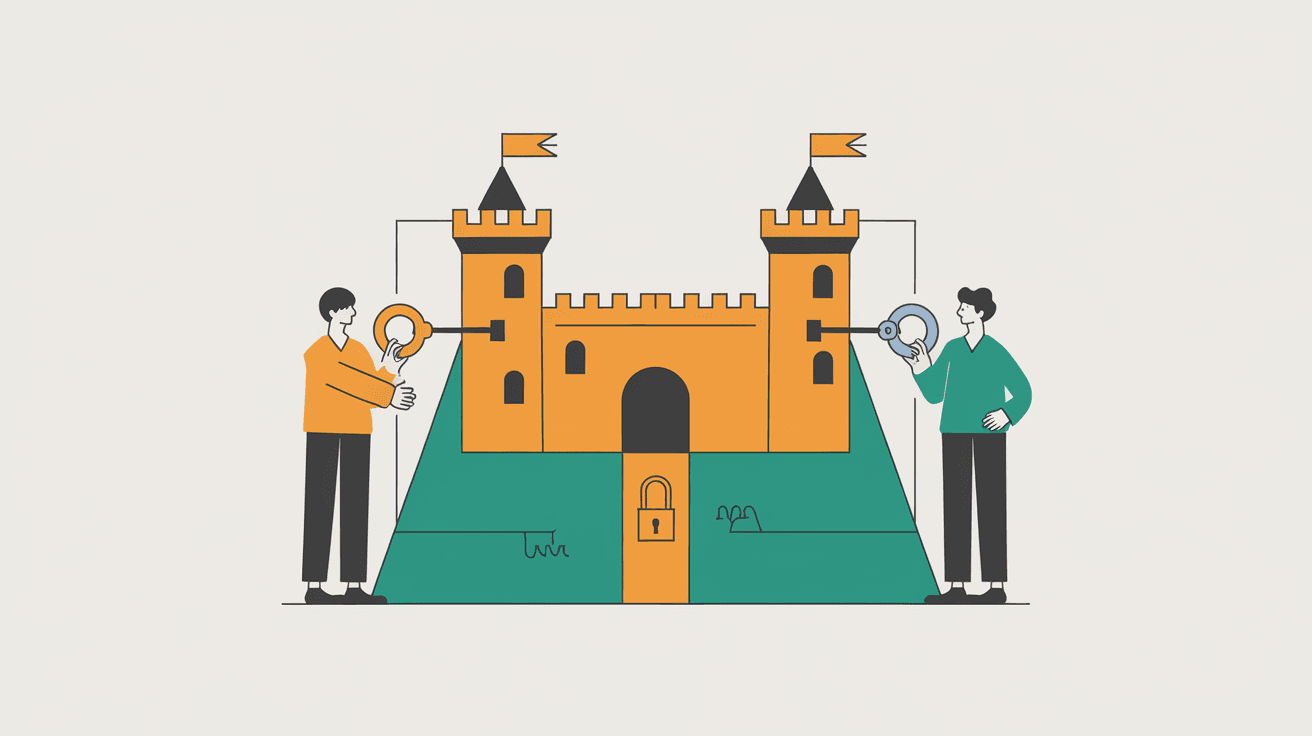
At its core, PKI uses two types of keys: a public key and a private key. These keys work together to encrypt and decrypt information. The public key is shared openly, while the private key is kept secret. This system allows people and computers to exchange information safely, even if they don’t know each other.
Key Components of PKI
- Public and Private Keys: These are pairs of cryptographic keys used for encryption and decryption.
- Digital Certificates: These verify the ownership of a public key and are issued by trusted authorities.
- Certificate Authority (CA): A trusted organization that issues and manages digital certificates.
- Registration Authority (RA): Verifies the identity of users before certificates are issued.
- Certificate Revocation List (CRL): A list of certificates that are no longer valid.
- Key Management: Processes for generating, storing, and protecting keys.
How Does PKI Work?
PKI works by creating a trusted environment for digital communication. Here’s a simple way to understand the process:
- Key Generation: A user or device creates a pair of keys – one public and one private.
- Certificate Request: The user sends a request to a Certificate Authority (CA) to get a digital certificate.
- Identity Verification: The CA or Registration Authority (RA) verifies the user’s identity.
- Certificate Issuance: Once verified, the CA issues a digital certificate linking the public key to the user’s identity.
- Secure Communication: Other users can trust this certificate to encrypt data sent to the certificate owner.
- Decryption: The owner uses their private key to decrypt the received data.
Example of PKI in Action
Imagine you want to send a confidential email. You use the recipient’s public key to encrypt the message. Only the recipient’s private key can decrypt it, ensuring that no one else can read your email. The digital certificate assures you that the public key belongs to the right person.
Why is PKI Important?
PKI is essential for secure digital communication. Without it, online activities like banking, shopping, and private messaging would be vulnerable to hackers and fraud.
Benefits of PKI
- Data Confidentiality: Ensures only the intended recipient can read the data.
- Authentication: Verifies the identity of users and devices.
- Data Integrity: Detects if data has been altered during transmission.
- Non-Repudiation: Prevents senders from denying they sent a message.
- Trust: Builds confidence in online transactions and communications.
PKI is the backbone of many security protocols like SSL/TLS, which secure websites, and digital signatures, which verify documents.
Common Uses of PKI
PKI is everywhere in the digital world. Here are some common places you encounter it:
- Secure Websites (HTTPS): PKI enables SSL/TLS certificates that secure your connection to websites.
- Email Security: Digital signatures and encryption protect your emails.
- Virtual Private Networks (VPNs): PKI authenticates users and encrypts data.
- Software Signing: Ensures software comes from a trusted source and hasn’t been tampered with.
- Smart Cards and Identity Management: Used in government and corporate ID systems.
PKI in Everyday Life
When you shop online, your browser uses PKI to secure your payment details. When you sign a contract electronically, PKI verifies your identity. Even your smartphone uses PKI to protect your data and apps.
Challenges and Limitations of PKI
While PKI is powerful, it’s not perfect. There are challenges that organizations face when using it:
- Complexity: Setting up and managing PKI can be complicated and costly.
- Trust Issues: If a Certificate Authority is compromised, trust in the system breaks down.
- Certificate Management: Keeping track of certificates and revoking them when needed requires constant attention.
- Scalability: Large organizations may struggle to manage thousands of certificates.
- User Awareness: Users must understand how to handle certificates and keys safely.
Despite these challenges, PKI remains one of the most reliable ways to secure digital communication.
How to Implement PKI in Your Organization
If you want to use PKI for your business or project, here are some steps to follow:
- Assess Your Needs: Understand what you want to protect and who will use PKI.
- Choose a Certificate Authority: Decide whether to use a public CA or set up a private one.
- Develop Policies: Create rules for issuing, renewing, and revoking certificates.
- Deploy Infrastructure: Set up servers and software to manage keys and certificates.
- Train Users: Educate employees on how to use PKI securely.
- Monitor and Maintain: Regularly check the system for issues and update certificates as needed.
Tools and Services for PKI
- Commercial CAs like DigiCert, GlobalSign, and Let's Encrypt.
- Open-source PKI software such as OpenSSL and EJBCA.
- Cloud-based PKI services for easier management.
The Future of PKI
PKI continues to evolve with new technologies and security needs. Here’s what to expect:
- Quantum-Resistant Cryptography: Preparing PKI for future quantum computers that could break current encryption.
- Automation: More automated certificate management to reduce errors and costs.
- Integration with Blockchain: Using blockchain to enhance trust and transparency in PKI.
- IoT Security: Expanding PKI to secure billions of connected devices.
- Improved User Experience: Making PKI easier for non-experts to use safely.
PKI will remain a cornerstone of digital security as the internet grows and changes.
Conclusion
Understanding PKI is key to grasping how online security works. It’s the system that makes encrypted communication, trusted websites, and verified digital identities possible. By managing keys and certificates, PKI protects your data and builds trust in the digital world.
Whether you’re browsing the web, sending emails, or running a business, PKI plays a vital role in keeping your information safe. As technology advances, PKI will continue to adapt and protect us from new threats. Knowing how it works helps you appreciate the security behind everyday digital activities.
FAQs
What is the difference between a public key and a private key?
A public key is shared openly to encrypt data, while a private key is kept secret to decrypt that data. Together, they enable secure communication without sharing secret information.
Who issues digital certificates in PKI?
Certificate Authorities (CAs) are trusted organizations that issue digital certificates after verifying the identity of the requester.
Can PKI be used for email security?
Yes, PKI enables email encryption and digital signatures, ensuring that emails are private and authentic.
What happens if a private key is lost?
If a private key is lost, the user can no longer decrypt messages or prove their identity. The associated certificate should be revoked to prevent misuse.
How does PKI help with website security?
PKI powers SSL/TLS certificates that encrypt data between your browser and websites, ensuring safe online browsing and transactions.




