
What is Physical Security
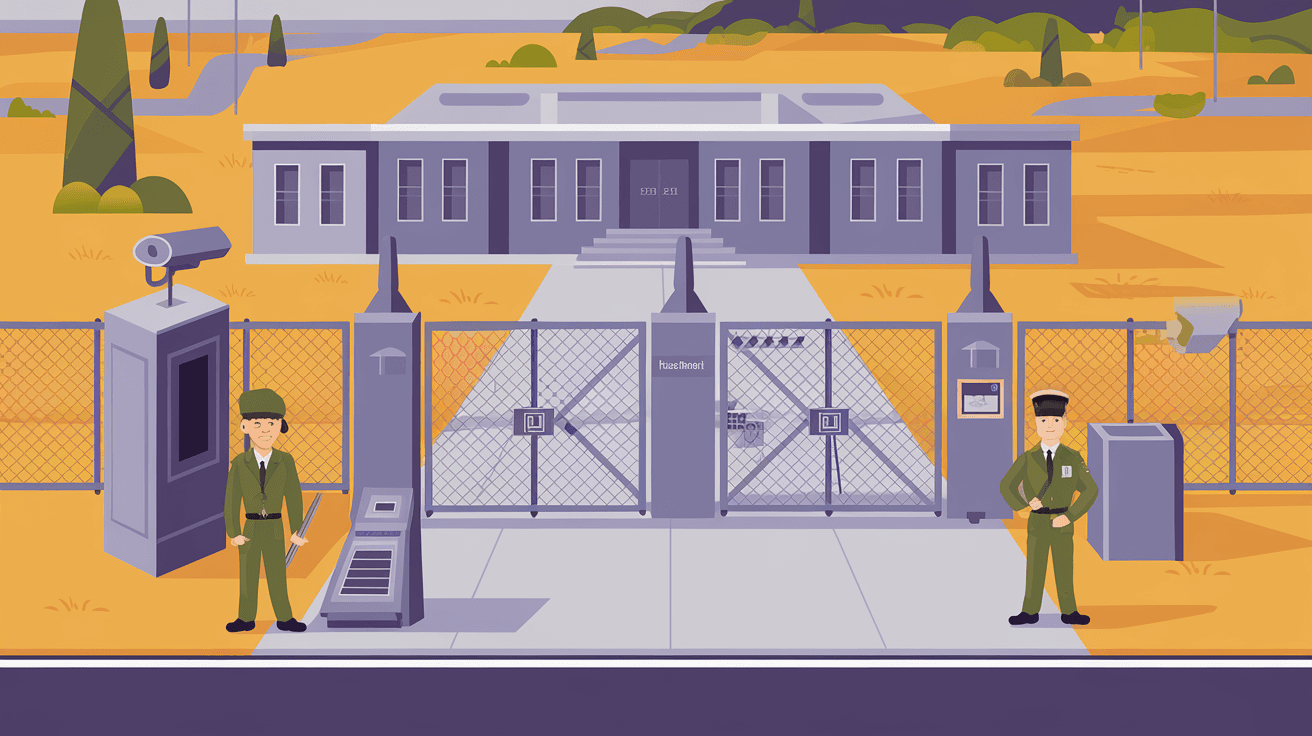
Introduction
When you hear the term "physical security," you might think of locks or security guards. But physical security is much more than that. It’s about protecting people, property, and information from physical threats like theft, vandalism, or natural disasters. If you want to keep your home, office, or business safe, understanding physical security is essential.
In this article, I’ll walk you through what physical security means, why it’s important, and the common methods used to protect assets. You’ll also learn how to create a strong physical security plan that fits your needs. Let’s dive in and explore how you can stay secure in today’s world.
What is Physical Security?
Physical security refers to the measures taken to protect people, buildings, equipment, and information from physical actions or events that could cause damage or loss. These threats can be intentional, like break-ins or sabotage, or accidental, like fires or floods.
The goal of physical security is to prevent unauthorized access and reduce risks to assets. It involves a combination of barriers, controls, and procedures designed to deter, detect, delay, and respond to threats.
Key Components of Physical Security
- Deterrence: Making it difficult or unattractive for intruders to attempt a breach.
- Detection: Identifying when a security breach or threat occurs.
- Delay: Slowing down intruders to allow time for response.
- Response: Taking action to stop or minimize damage after a threat is detected.
These components work together to create a layered defense that protects your assets effectively.
Why is Physical Security Important?
Physical security is crucial because it protects the foundation of any organization or home. Without it, sensitive information, valuable equipment, and even people can be at risk. Here’s why it matters:
- Protects People: Ensures the safety of employees, residents, or visitors.
- Safeguards Assets: Prevents theft, damage, or loss of property and equipment.
- Maintains Business Continuity: Avoids disruptions caused by physical threats.
- Supports Compliance: Meets legal and regulatory requirements for security.
- Builds Trust: Shows customers and partners that security is a priority.
For example, a data center with strong physical security can prevent unauthorized access that might lead to data breaches. Similarly, a retail store with good security reduces shoplifting and vandalism.
Common Physical Security Threats
Understanding the threats you face is the first step in building a strong defense. Here are some common physical security threats:
- Theft and Burglary: Unauthorized removal of property or information.
- Vandalism: Deliberate damage to property.
- Natural Disasters: Fires, floods, earthquakes, or storms that cause damage.
- Sabotage: Intentional harm to disrupt operations.
- Unauthorized Access: People entering restricted areas without permission.
- Workplace Violence: Threats or attacks against employees or visitors.
Each threat requires specific security measures to address it effectively.
Physical Security Measures and Techniques
Physical security uses a variety of tools and strategies to protect assets. These measures can be grouped into three main categories: physical barriers, security personnel, and technology.
Physical Barriers
Physical barriers are the first line of defense. They prevent or slow down unauthorized access.
- Fences and Gates: Define property boundaries and control entry points.
- Locks and Keys: Secure doors, windows, and cabinets.
- Security Doors and Windows: Reinforced to resist forced entry.
- Turnstiles and Bollards: Control pedestrian and vehicle access.
- Safes and Vaults: Protect valuables and sensitive documents.
Security Personnel
Trained security staff play a vital role in monitoring and responding to threats.
- Security Guards: Patrol premises, check IDs, and respond to incidents.
- Receptionists: Control visitor access and verify identities.
- Patrol Teams: Conduct regular checks of vulnerable areas.
- Emergency Responders: Handle incidents like fires or medical emergencies.
Technology in Physical Security
Technology enhances physical security by providing detection and monitoring capabilities.
- Surveillance Cameras (CCTV): Monitor and record activity in real-time.
- Access Control Systems: Use key cards, biometrics, or PINs to restrict entry.
- Alarm Systems: Alert security personnel to unauthorized access or emergencies.
- Motion Detectors: Detect movement in restricted areas.
- Environmental Sensors: Monitor for smoke, fire, or flooding.
Combining these technologies with physical barriers and personnel creates a strong security system.
Designing an Effective Physical Security Plan
Creating a physical security plan tailored to your needs is essential. Here’s how you can design one:
1. Assess Risks and Vulnerabilities
- Identify what you need to protect (people, property, information).
- Analyze potential threats and their likelihood.
- Evaluate existing security measures and gaps.
2. Define Security Objectives
- Set clear goals, such as preventing unauthorized access or protecting critical assets.
- Prioritize based on risk levels and resources.
3. Implement Layered Security
- Use multiple layers of defense (barriers, personnel, technology).
- Ensure each layer supports the others for maximum protection.
4. Develop Policies and Procedures
- Create rules for access control, visitor management, and incident response.
- Train employees and security staff on these procedures.
5. Monitor and Review
- Regularly inspect security systems and update them as needed.
- Conduct drills and audits to test effectiveness.
Example: Office Building Security Plan
| Step | Action |
| Risk Assessment | Identify entry points and sensitive areas |
| Security Layers | Install fences, CCTV, and access control |
| Personnel | Employ security guards at entrances |
| Policies | Visitor check-in and ID verification |
| Monitoring | Regular patrols and system maintenance |
Physical Security in Different Environments
Physical security needs vary depending on the environment. Here’s how it applies in different settings:
Residential Security
- Focus on locks, alarms, and neighborhood watch programs.
- Use smart home devices like cameras and motion sensors.
- Secure doors, windows, and garages.
Commercial Security
- Protect employees, customers, and assets.
- Use access control, surveillance, and security personnel.
- Plan for emergency evacuations and fire safety.
Industrial Security
- Secure large areas with fences and gates.
- Control access to hazardous zones.
- Monitor equipment and inventory closely.
Government and Military Security
- Use high-level access controls and surveillance.
- Employ armed security personnel.
- Protect classified information and critical infrastructure.
Challenges in Physical Security
While physical security is essential, it comes with challenges:
- Cost: Installing and maintaining security systems can be expensive.
- Human Error: Mistakes by staff can create vulnerabilities.
- Technology Limitations: Systems can fail or be bypassed.
- Balancing Security and Accessibility: Too much security can inconvenience users.
- Evolving Threats: New tactics require constant updates to security plans.
Addressing these challenges requires ongoing attention and investment.
The Future of Physical Security
Physical security is evolving with new technologies and threats. Here are some trends shaping its future:
- Integration with Cybersecurity: Physical and digital security are merging to protect data and assets holistically.
- Artificial Intelligence: AI-powered cameras and sensors improve threat detection and response.
- Biometric Access: Fingerprints, facial recognition, and iris scans offer more secure entry methods.
- Smart Buildings: Automated systems adjust security based on real-time data.
- Drones and Robotics: Used for surveillance and patrol in large or hazardous areas.
Staying informed about these trends helps you keep your security up to date.
Conclusion
Physical security is about more than just locks and cameras. It’s a comprehensive approach to protecting people, property, and information from physical threats. By understanding the risks and using a mix of barriers, personnel, and technology, you can create a strong defense.
Whether you’re securing a home, office, or industrial site, a well-designed physical security plan is key. Remember to assess your risks, implement layered security, and keep your systems updated. With the right approach, you can feel confident that your assets are safe and secure.
FAQs
What are the main goals of physical security?
The main goals are to deter, detect, delay, and respond to physical threats. This helps protect people, property, and information from unauthorized access or damage.
How does physical security differ from cybersecurity?
Physical security protects tangible assets and people from physical harm, while cybersecurity focuses on protecting digital information and systems from online threats.
What are common physical security devices?
Common devices include locks, fences, CCTV cameras, alarm systems, access control panels, and motion detectors.
Why is layered security important?
Layered security uses multiple defenses to cover weaknesses in any one area. This makes it harder for intruders to succeed and improves overall protection.
Can physical security prevent workplace violence?
While it can’t eliminate all risks, physical security measures like controlled access, surveillance, and trained personnel help reduce the chances and impact of workplace violence.




