
What is Phishing Detection Tool
Introduction
You’ve probably heard about phishing scams, but do you know how to protect yourself from them? Phishing detection tools are designed to help you spot and avoid these dangerous attacks. They act like a security guard for your emails and websites, warning you before you fall victim.
In this article, I’ll explain what a phishing detection tool is, how it works, and why it’s important for your online safety. Whether you’re an individual or a business, understanding these tools can keep your data safe and your mind at ease.
What is a Phishing Detection Tool?
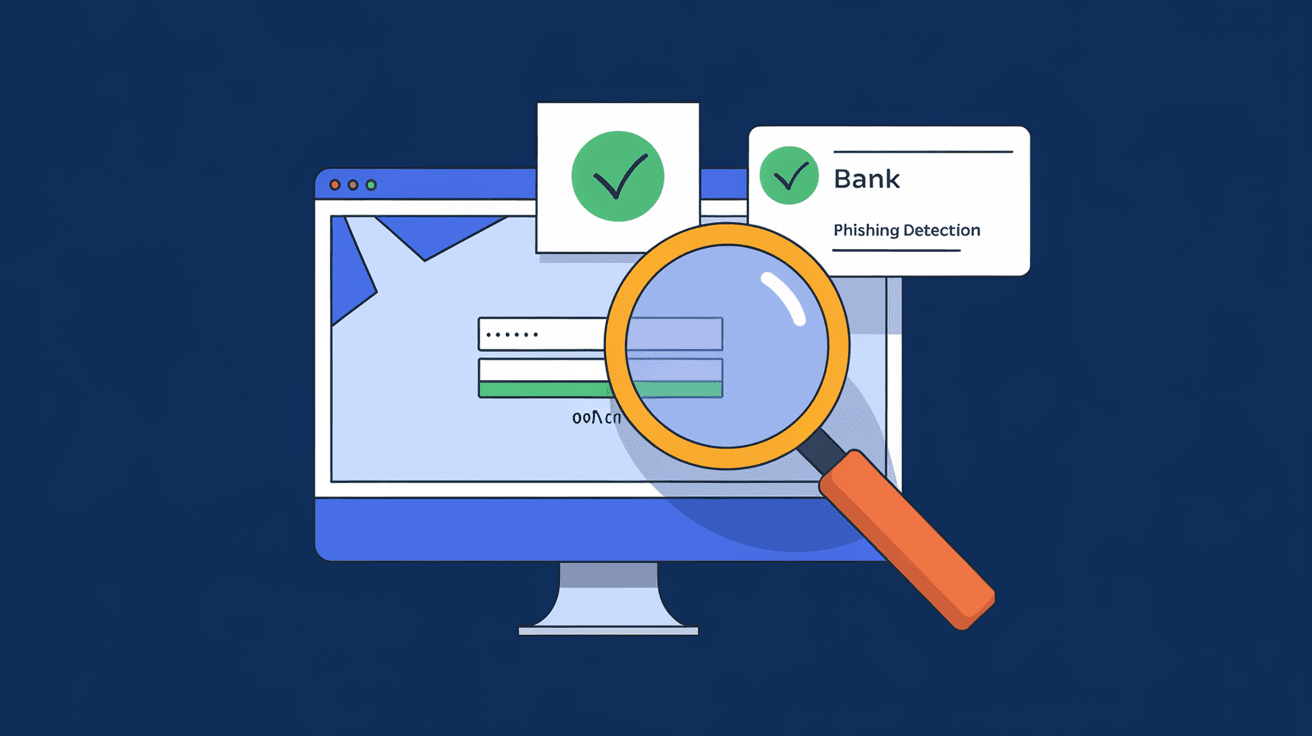
A phishing detection tool is software or a system that identifies phishing attempts. Phishing is when scammers try to trick you into giving away sensitive information like passwords, credit card numbers, or personal details. These tools scan emails, websites, and messages to find signs of phishing.
Phishing detection tools use various methods to spot suspicious content:
- Checking if the sender’s email address is fake or spoofed.
- Analyzing links to see if they lead to harmful websites.
- Looking for common phishing phrases or patterns.
- Using machine learning to detect new phishing tactics.
By catching these threats early, phishing detection tools help prevent data theft and financial loss.
How Does a Phishing Detection Tool Work?
Phishing detection tools work by analyzing incoming messages and websites in real time. Here’s a breakdown of how they operate:
- Email Scanning: The tool scans your emails for suspicious links, attachments, or sender addresses. It compares these against known phishing databases.
- URL Analysis: When you click a link, the tool checks if the website is safe. It looks for signs like misspelled domain names or unusual website behavior.
- Content Inspection: The tool reads the text to find common phishing language, such as urgent requests for personal info or threats.
- Machine Learning: Advanced tools learn from new phishing attacks and improve their detection over time.
- User Alerts: If a threat is detected, the tool warns you immediately, often blocking access to dangerous sites.
These steps work together to protect you from falling for phishing scams.
Types of Phishing Detection Tools
There are several types of phishing detection tools available, each designed for different uses:
- Email Filters: These tools scan your inbox to block phishing emails before you see them.
- Browser Extensions: They check websites as you browse and warn you about suspicious pages.
- Network Security Tools: These monitor traffic on your network to detect phishing attempts targeting multiple users.
- Mobile Security Apps: Designed for smartphones, they protect you from phishing via SMS or mobile apps.
- Enterprise Solutions: Large organizations use advanced phishing detection platforms integrated with their security systems.
Choosing the right tool depends on your needs and the devices you use.
Why is Phishing Detection Important?
Phishing attacks are one of the most common ways hackers steal information. They can lead to identity theft, financial loss, and damage to your reputation. Here’s why phishing detection tools matter:
- Protect Personal Data: They stop scammers from stealing your passwords and credit card details.
- Prevent Financial Loss: Avoid costly fraud by blocking phishing attempts early.
- Maintain Business Security: For companies, phishing can lead to data breaches and legal issues.
- Save Time and Stress: Detecting phishing quickly means less time dealing with the aftermath.
- Stay Ahead of Scammers: Tools that use AI adapt to new phishing tricks, keeping you safer.
Using a phishing detection tool is a smart step toward safer online habits.
Features to Look for in a Phishing Detection Tool
When choosing a phishing detection tool, consider these important features:
- Real-Time Protection: The tool should scan emails and websites instantly.
- User-Friendly Interface: Easy alerts and clear warnings help you act quickly.
- Regular Updates: Frequent updates keep the tool effective against new phishing methods.
- Integration: Works well with your email client, browser, or security system.
- Reporting and Analytics: Provides insights into phishing attempts and helps improve security.
- Low False Positives: Accurately detects threats without blocking safe content.
These features ensure the tool is both effective and easy to use.
How to Use a Phishing Detection Tool Effectively
To get the most from your phishing detection tool, follow these tips:
- Keep It Updated: Always install the latest updates to stay protected.
- Combine with Other Security Measures: Use antivirus software and strong passwords.
- Educate Yourself: Learn about common phishing tactics to recognize suspicious messages.
- Report Phishing Attempts: Help improve detection by reporting scams to your tool or provider.
- Regularly Review Alerts: Don’t ignore warnings; investigate them promptly.
Using the tool alongside good security habits creates a strong defense.
Common Challenges with Phishing Detection Tools
While phishing detection tools are helpful, they have some limitations:
- False Positives: Sometimes safe emails or sites get flagged, causing inconvenience.
- Evolving Phishing Techniques: Scammers constantly change tactics, making detection harder.
- User Behavior: Tools can’t protect if users ignore warnings or click on suspicious links.
- Resource Usage: Some tools may slow down your device or email system.
- Cost: Advanced tools, especially for businesses, can be expensive.
Understanding these challenges helps you set realistic expectations and use tools wisely.
Examples of Popular Phishing Detection Tools
Here are some well-known phishing detection tools trusted by users and businesses:
| Tool Name | Type | Key Features |
| Microsoft Defender | Email & Endpoint | Real-time scanning, integration with Office 365 |
| PhishTank | Community Database | Crowdsourced phishing URL database |
| Norton AntiVirus | Antivirus Suite | Email and web protection, alerts |
| Barracuda Sentinel | Enterprise Solution | AI-based detection, account takeover protection |
| Avast Browser | Browser Extension | Website safety checks, phishing alerts |
These tools offer a range of options depending on your needs and budget.
The Future of Phishing Detection Tools
Phishing detection tools are evolving rapidly. Here’s what to expect in the near future:
- AI and Machine Learning: Smarter tools will detect even the most sophisticated phishing scams.
- Behavioral Analysis: Tools will analyze user behavior to spot unusual activity.
- Cross-Platform Protection: More tools will protect across email, social media, and messaging apps.
- Integration with Identity Management: Combining phishing detection with identity verification for stronger security.
- User Education Features: Built-in training modules to help users recognize phishing attempts.
These advances will make phishing detection more accurate and user-friendly.
Conclusion
Phishing detection tools are essential in today’s digital world. They help you spot scams before they cause harm, protecting your personal information and finances. Whether you use email filters, browser extensions, or enterprise solutions, these tools add a vital layer of security.
By understanding how phishing detection tools work and choosing the right one for your needs, you can stay safer online. Remember, combining these tools with good security habits is the best way to avoid falling victim to phishing scams.
FAQs
What is the main purpose of a phishing detection tool?
A phishing detection tool’s main purpose is to identify and block phishing attempts. It scans emails, websites, and messages to protect you from scams that try to steal your personal information.
Can phishing detection tools stop all phishing attacks?
No tool can stop all phishing attacks because scammers constantly change their methods. However, phishing detection tools significantly reduce the risk by catching most known and new threats.
Are phishing detection tools only for businesses?
No, phishing detection tools are useful for both individuals and businesses. Anyone who uses email or the internet can benefit from added protection against phishing scams.
How do phishing detection tools use machine learning?
Machine learning helps phishing detection tools learn from new attacks. They analyze patterns and behaviors to improve their ability to spot phishing attempts over time.
Should I rely only on phishing detection tools for security?
No, phishing detection tools are important but should be combined with other security measures like strong passwords, antivirus software, and user education for the best protection.




