
What is Perimeter Firewall
Introduction
When you think about protecting your home, you might imagine a strong fence around your yard. In the digital world, a perimeter firewall acts like that fence for your network. It keeps unwanted visitors out and lets trusted users in. If you want to understand how your network stays safe from hackers and cyber threats, knowing what a perimeter firewall is will help.
In this article, I’ll explain what a perimeter firewall does, how it works, and why it’s important for your business or personal network. You’ll also learn about different types of perimeter firewalls and how they fit into modern cybersecurity strategies.
What Is a Perimeter Firewall?
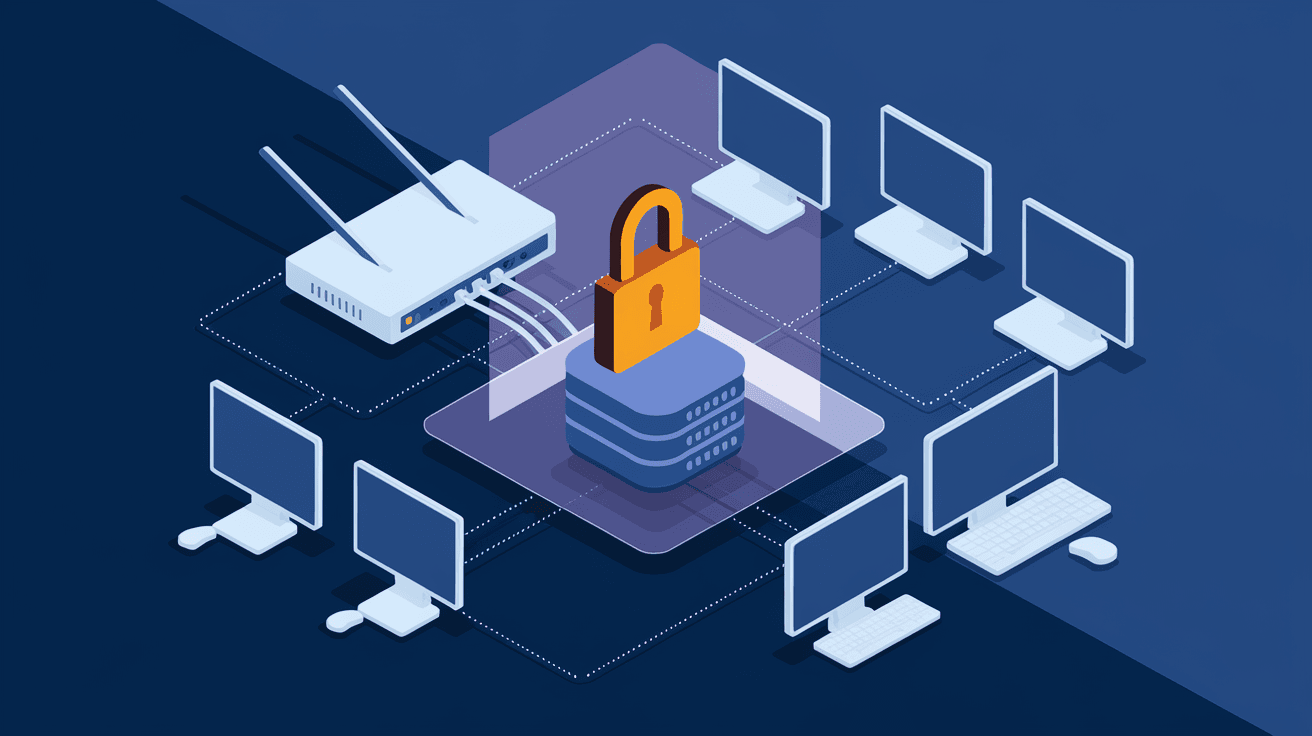
A perimeter firewall is a security device or software that sits at the boundary between your internal network and the outside internet. Its main job is to monitor and control incoming and outgoing network traffic based on a set of security rules.
Think of it as a gatekeeper. It decides which data packets can enter or leave your network, blocking anything suspicious or harmful. This helps prevent unauthorized access, cyberattacks, and data breaches.
Key Features of a Perimeter Firewall
- Traffic Filtering: It inspects data packets and blocks those that don’t meet security criteria.
- Access Control: Only allows trusted users and devices to connect.
- Monitoring: Logs traffic for analysis and alerts administrators about threats.
- Policy Enforcement: Applies rules based on IP addresses, ports, protocols, and more.
How Does a Perimeter Firewall Work?
Perimeter firewalls work by examining the data packets that try to enter or leave your network. They use predefined rules to decide whether to allow or block these packets.
Here’s a simple breakdown:
- Packet Inspection: The firewall checks the packet’s source, destination, and content.
- Rule Matching: It compares the packet against security rules set by the network admin.
- Decision Making: If the packet matches a rule that allows it, the firewall lets it pass. If not, it blocks the packet.
- Logging and Alerts: Suspicious activity is logged, and alerts are sent to admins.
Types of Packet Inspection
- Stateless Inspection: Looks at each packet individually without context.
- Stateful Inspection: Tracks the state of active connections and makes decisions based on the connection’s history.
Stateful inspection is more secure because it understands the context of traffic, not just isolated packets.
Why Is a Perimeter Firewall Important?
Your network is constantly exposed to threats from the internet. Without a perimeter firewall, hackers can easily access your systems, steal data, or cause damage.
Here’s why perimeter firewalls are essential:
- Protects Against External Threats: Blocks hackers, malware, and unauthorized users.
- Controls Network Traffic: Prevents harmful data from entering or leaving your network.
- Supports Compliance: Helps meet security standards like GDPR, HIPAA, or PCI-DSS.
- Improves Network Performance: By filtering unwanted traffic, it reduces network congestion.
Types of Perimeter Firewalls
There are several types of perimeter firewalls, each with unique features and use cases.
1. Packet-Filtering Firewalls
These are the simplest type. They check packets based on IP addresses, ports, and protocols. They are fast but less secure because they don’t inspect the packet’s content.
2. Stateful Inspection Firewalls
These track active connections and make decisions based on the context of traffic. They offer better security than packet-filtering firewalls.
3. Proxy Firewalls
Proxy firewalls act as intermediaries between your network and the internet. They inspect the entire data packet and can block malicious content before it reaches your network.
4. Next-Generation Firewalls (NGFW)
NGFWs combine traditional firewall features with advanced security functions like intrusion prevention, deep packet inspection, and application awareness. They are the most effective perimeter firewalls today.
How to Set Up a Perimeter Firewall
Setting up a perimeter firewall involves several steps to ensure your network is secure.
Step 1: Define Security Policies
Decide what traffic should be allowed or blocked based on your network needs.
Step 2: Choose the Right Firewall
Select a firewall type that fits your security requirements and budget.
Step 3: Configure Rules
Set up rules for IP addresses, ports, protocols, and applications.
Step 4: Test the Firewall
Run tests to ensure the firewall blocks unwanted traffic and allows legitimate users.
Step 5: Monitor and Update
Regularly check logs, update rules, and patch the firewall software to keep it effective.
Perimeter Firewall vs. Internal Firewall
While a perimeter firewall protects the boundary of your network, internal firewalls protect segments inside your network. Internal firewalls control traffic between different departments or systems, adding an extra layer of security.
Using both types together strengthens your overall cybersecurity.
Challenges of Perimeter Firewalls
Even though perimeter firewalls are vital, they have some limitations:
- Cannot Stop Insider Threats: They mainly block external attacks.
- Bypass by Encrypted Traffic: Some threats hide inside encrypted data.
- Complex Configuration: Poorly set rules can create security gaps.
- Not Enough Alone: Need to be part of a multi-layered security approach.
Modern Trends in Perimeter Firewalls
Cybersecurity is evolving, and so are perimeter firewalls. Here are some trends shaping their future:
- Integration with AI: Firewalls use artificial intelligence to detect unusual patterns faster.
- Cloud-Based Firewalls: Many organizations use cloud firewalls to protect hybrid and cloud environments.
- Zero Trust Security: Firewalls now support zero trust models, verifying every user and device continuously.
- Automation: Automated rule updates and threat responses reduce human error.
Conclusion
A perimeter firewall is your network’s first line of defense against cyber threats. It controls traffic, blocks unauthorized access, and helps keep your data safe. Whether you run a small business or manage a large enterprise, understanding and using perimeter firewalls is crucial.
Remember, a perimeter firewall works best when combined with other security measures like internal firewalls, antivirus software, and user education. Staying updated with modern firewall technologies and trends will help you protect your network effectively in today’s digital world.
FAQs
What is the main purpose of a perimeter firewall?
The main purpose is to protect your internal network from unauthorized access and cyber threats by filtering incoming and outgoing traffic based on security rules.
How does a stateful firewall differ from a stateless firewall?
A stateful firewall tracks active connections and makes decisions based on the connection’s context, while a stateless firewall inspects each packet individually without context.
Can a perimeter firewall protect against insider threats?
No, perimeter firewalls mainly block external threats. Insider threats require additional security measures like internal firewalls and monitoring.
What is a next-generation firewall (NGFW)?
An NGFW combines traditional firewall features with advanced security functions like intrusion prevention, deep packet inspection, and application control.
How often should firewall rules be updated?
Firewall rules should be reviewed and updated regularly, especially after new threats emerge or network changes occur, to maintain effective protection.




