
What is Payment Card Skimming
Introduction
You probably use your payment card every day, whether at a store, an ATM, or online. But have you ever wondered how safe your card information really is? Payment card skimming is a sneaky way criminals steal your card details without you noticing.
In this article, I’ll explain what payment card skimming is, how it works, and what you can do to protect yourself. Understanding this will help you stay one step ahead of fraudsters and keep your money safe.
What Is Payment Card Skimming?
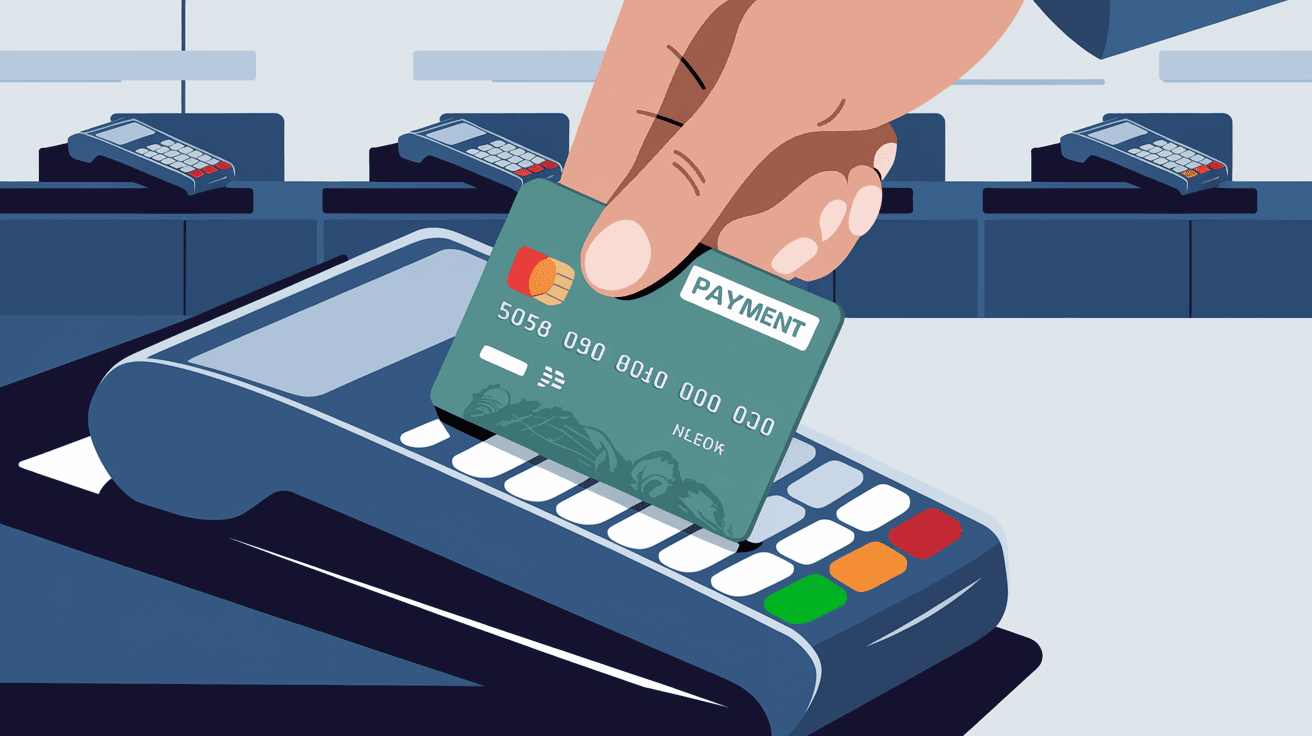
Payment card skimming is a type of fraud where criminals steal your card information by capturing the data stored on the magnetic stripe or chip. They do this by attaching small devices called skimmers to card readers like ATMs, gas pumps, or point-of-sale terminals.
When you swipe or insert your card, the skimmer copies your card details. The thief then uses this stolen data to create fake cards or make unauthorized purchases. Skimming is dangerous because it often goes unnoticed until you see suspicious charges on your account.
How Skimming Devices Work
- Magnetic Stripe Skimmers: These devices read the data on the magnetic stripe of your card when you swipe it.
- Chip Skimmers: More advanced skimmers can capture chip data, though this is harder due to encryption.
- PIN Capture: Some skimmers include tiny cameras or fake keypads to record your PIN as you enter it.
Skimmers are designed to blend in with the original card reader, making them hard to spot.
Common Places Where Skimming Happens
You might think skimming only happens at shady locations, but criminals are clever and target everyday places. Here are some common spots where skimming devices are found:
- ATMs: Especially those in less secure or outdoor locations.
- Gas Station Pumps: Skimmers are often hidden inside or on the card reader.
- Retail Point-of-Sale Terminals: Fake card readers can be attached to checkout machines.
- Parking Meters and Toll Booths: These machines sometimes have vulnerable card readers.
Always be cautious when using your card in public places, especially if the machine looks damaged or tampered with.
How to Spot a Skimming Device
You can protect yourself by learning to recognize skimming devices. Here are some tips to spot them:
- Check for Loose or Bulky Parts: Skimmers often don’t fit perfectly and may feel loose.
- Look for Extra Cameras: Small pinhole cameras might be placed to capture your PIN.
- Inspect the Card Slot: If it looks different from usual or has extra parts, be suspicious.
- Wiggle the Card Reader: If it moves or feels unusual, it could be a skimmer.
- Compare with Nearby Machines: If one ATM or pump looks different from others, avoid it.
If something feels off, don’t use the machine and report it to the business or bank.
How Criminals Use Stolen Card Data
Once criminals have your card data, they can do several harmful things:
- Create Fake Cards: Using the stolen data, they make cloned cards to withdraw money or buy items.
- Online Purchases: They use your card details to shop online without needing the physical card.
- Sell Data on Dark Web: Your card info can be sold to other criminals for further fraud.
- Withdraw Cash: If they also capture your PIN, they can empty your bank account.
This makes skimming a serious threat to your financial security.
How to Protect Yourself from Payment Card Skimming
You don’t have to be a victim. Here are practical steps you can take to protect your card information:
- Use ATMs in Secure Locations: Prefer ATMs inside banks or well-lit areas.
- Cover Your PIN: Always shield the keypad when entering your PIN.
- Use Contactless Payments: Tap-to-pay reduces the risk of skimming since no card data is swiped.
- Monitor Your Statements: Check your bank and credit card statements regularly for suspicious activity.
- Set Up Alerts: Many banks offer transaction alerts via SMS or email.
- Use Mobile Wallets: Apple Pay, Google Pay, and others use tokenization, making your card data safer.
- Avoid Using Gas Pumps with Suspicious Card Readers: If the card slot looks odd, pay inside the store.
Taking these steps can greatly reduce your risk of falling victim to skimming.
What to Do If You Suspect Skimming
If you think your card information has been stolen, act quickly:
- Contact Your Bank Immediately: Report suspicious transactions or if your card is lost or stolen.
- Freeze or Cancel Your Card: Prevent further unauthorized use.
- File a Police Report: This helps with investigations and fraud claims.
- Check Your Credit Report: Look for signs of identity theft.
- Change Your PIN and Passwords: Secure your accounts to prevent further access.
Quick action can limit the damage and help you recover faster.
The Role of Technology in Fighting Skimming
Banks and payment companies are constantly improving technology to fight skimming:
- EMV Chip Cards: These cards generate unique transaction codes, making cloning harder.
- Contactless Payments: Using NFC technology reduces physical card use.
- Skimmer Detection Software: Some ATMs now have software to detect unusual card reader activity.
- Biometric Authentication: Fingerprint or face recognition adds extra security layers.
- AI Fraud Detection: Banks use artificial intelligence to spot suspicious transactions quickly.
These technologies make skimming more difficult but staying vigilant is still important.
Conclusion
Payment card skimming is a serious threat that can happen anywhere you use your card. But by understanding how skimming works and where it happens, you can protect yourself better. Always inspect card readers, use secure payment methods, and monitor your accounts closely.
Remember, staying alert and acting quickly if you suspect fraud can save you from financial loss. Your safety starts with awareness, so keep these tips in mind every time you use your payment card.
FAQs
What is the difference between skimming and phishing?
Skimming steals your physical card data using devices on card readers, while phishing tricks you into giving personal info online through fake emails or websites.
Can chip cards be skimmed?
Chip cards are harder to skim because of encryption, but criminals can still try to capture chip data or use magnetic stripe skimmers if the card has one.
How do I know if my card was skimmed?
Look for unauthorized transactions on your bank statement or alerts from your bank. Unusual charges or withdrawals are signs your card data may be compromised.
Are contactless payments safe from skimming?
Yes, contactless payments use tokenization, which means your real card data isn’t shared, making skimming much less likely.
What should I do if I find a skimming device?
Don’t use the machine. Report the device to the business or bank immediately and consider notifying local law enforcement.




