
What is Password Cracking
Introduction
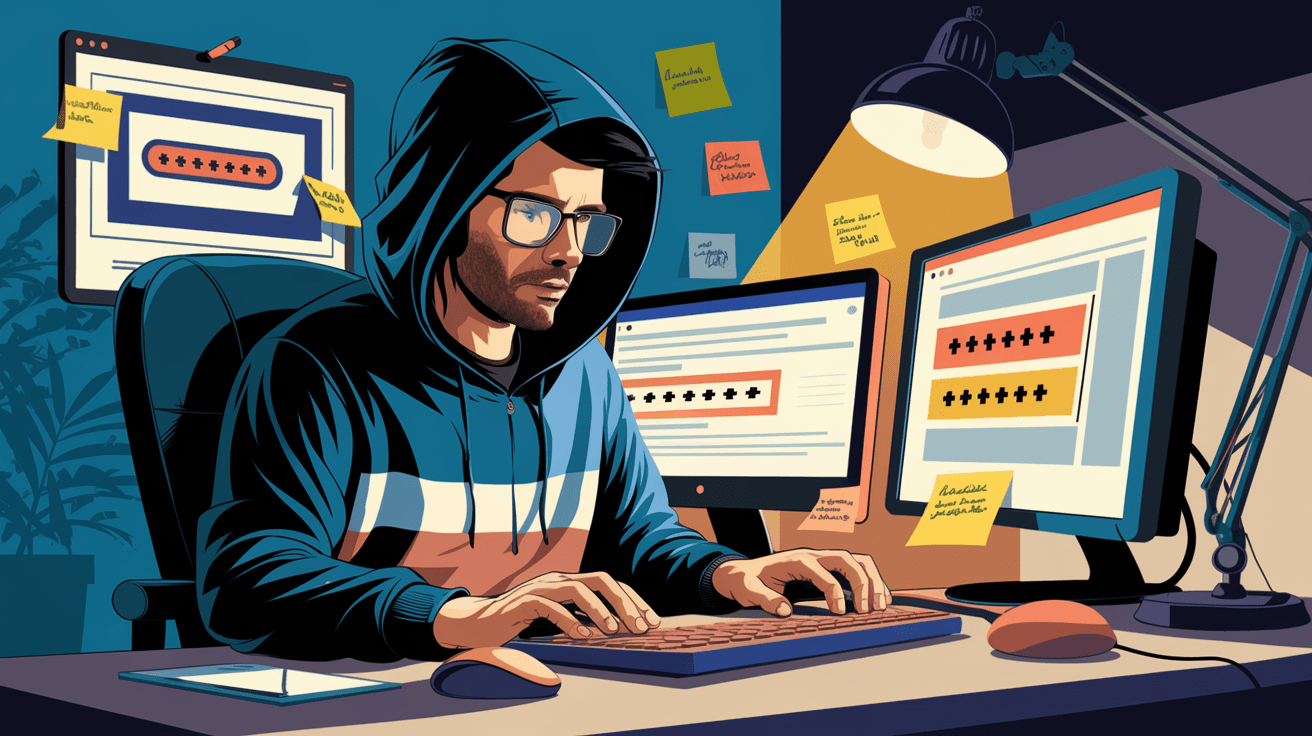
You might have heard the term "password cracking" and wondered what it really means. Password cracking is a method used to gain unauthorized access to accounts by figuring out or breaking passwords. It’s a common technique used by hackers but also by security experts to test system strength.
In this article, I’ll explain what password cracking is, how it works, and what you can do to protect yourself. Understanding this topic is important because passwords are the first line of defense for your online security. Let’s dive in and learn more about this critical subject.
What Is Password Cracking?
Password cracking is the process of recovering passwords from data that has been stored or transmitted by a computer system. It involves trying to guess or decode passwords to gain access to accounts or systems without permission.
This technique is often used by cybercriminals to break into accounts, steal information, or cause damage. However, it’s also used by cybersecurity professionals to test the strength of passwords and improve security measures.
How Password Cracking Works
Password cracking uses different methods to guess or find passwords. Here are some common techniques:
- Brute Force Attack: Trying every possible combination of characters until the correct password is found.
- Dictionary Attack: Using a list of common passwords or words to guess the password.
- Rainbow Table Attack: Using precomputed tables of hashed passwords to reverse-engineer the original password.
- Phishing and Social Engineering: Tricking users into revealing their passwords.
- Keylogging: Recording keystrokes to capture passwords directly.
Each method has its strengths and weaknesses, and hackers often combine them to increase their chances of success.
Types of Password Cracking Techniques
Understanding the different types of password cracking techniques helps you see how attackers work and how to defend against them.
Brute Force Attacks
Brute force attacks try every possible password combination. This method is simple but can take a long time, especially if the password is long and complex.
- Works best on short or simple passwords.
- Can be sped up using powerful computers or specialized hardware.
- Often detected by security systems due to repeated login attempts.
Dictionary Attacks
Dictionary attacks use a list of common passwords, phrases, or words from a dictionary to guess the password.
- Faster than brute force because it tries likely passwords first.
- Effective against weak passwords like "password123" or "letmein."
- Can include variations like adding numbers or symbols.
Rainbow Table Attacks
Rainbow tables are precomputed tables that map hashed passwords back to their original form.
- Useful against systems that store hashed passwords.
- Requires access to the hashed password database.
- Can be defended against by using "salting," which adds random data to passwords before hashing.
Hybrid Attacks
Hybrid attacks combine dictionary and brute force methods.
- Start with dictionary words and add numbers or symbols.
- More effective against passwords that use common words with slight modifications.
- Often used by advanced cracking tools.
Social Engineering and Phishing
These methods don’t involve technical cracking but trick users into giving away passwords.
- Phishing emails or fake websites ask users to enter passwords.
- Social engineering manipulates users into revealing passwords.
- Very effective because it targets human behavior rather than technology.
Why Is Password Cracking a Concern?
Password cracking is a major security threat because it can lead to unauthorized access, data breaches, and identity theft.
- Data Theft: Hackers can steal personal, financial, or business data.
- Account Takeover: Access to email, social media, or banking accounts.
- Financial Loss: Fraudulent transactions or ransom demands.
- Reputation Damage: For individuals and organizations.
- Legal Consequences: For companies failing to protect user data.
Because of these risks, understanding password cracking helps you take steps to protect your accounts and sensitive information.
How to Protect Yourself from Password Cracking
You can take several practical steps to make your passwords harder to crack and keep your accounts safe.
Use Strong Passwords
A strong password is your first defense. Here’s how to create one:
- Use at least 12 characters.
- Mix uppercase and lowercase letters.
- Include numbers and special symbols.
- Avoid common words or easy patterns.
- Use unique passwords for different accounts.
Enable Multi-Factor Authentication (MFA)
MFA adds an extra layer of security by requiring a second form of verification, such as:
- A code sent to your phone.
- A fingerprint or facial recognition.
- A hardware security key.
Even if your password is cracked, MFA can block unauthorized access.
Use Password Managers
Password managers help you create, store, and manage strong passwords securely.
- Generate complex passwords automatically.
- Store passwords encrypted.
- Fill in passwords automatically to avoid typing errors.
- Reduce the risk of reusing passwords.
Keep Software Updated
Hackers exploit vulnerabilities in outdated software to gain access.
- Regularly update your operating system and apps.
- Use security patches as soon as they are available.
- Keep your antivirus and firewall active.
Be Wary of Phishing Attempts
Protect yourself from social engineering by:
- Avoiding clicking on suspicious links or attachments.
- Verifying the sender’s identity before sharing information.
- Using browser extensions that detect phishing sites.
Tools Used for Password Cracking
Both attackers and security professionals use various tools to crack passwords. Knowing these tools helps you understand the threat.
- John the Ripper: Popular open-source tool for brute force and dictionary attacks.
- Hashcat: Advanced password recovery tool supporting many hashing algorithms.
- Hydra: Network login cracker supporting many protocols.
- Cain & Abel: Windows tool for password recovery and network sniffing.
- Aircrack-ng: Used for cracking Wi-Fi passwords.
Security teams use these tools to test system defenses and improve security.
The Role of Password Hashing and Salting
When you create a password, systems don’t store it as plain text. Instead, they use hashing to convert it into a fixed-length string.
- Hashing: A one-way function that turns passwords into unique codes.
- Salting: Adding random data to passwords before hashing to prevent rainbow table attacks.
These techniques make password cracking much harder because attackers can’t easily reverse the hash to find the original password.
Legal and Ethical Aspects of Password Cracking
Password cracking can be legal or illegal depending on the context.
- Ethical Hacking: Security professionals use password cracking to test and improve security with permission.
- Illegal Hacking: Unauthorized cracking to steal data or cause harm is a crime.
- Laws vary by country but generally punish unauthorized access severely.
- Organizations must follow privacy laws when handling password data.
Understanding these aspects helps you stay on the right side of the law and ethics.
Future Trends in Password Cracking and Security
As technology evolves, so do password cracking methods and defenses.
- AI and Machine Learning: Used to speed up cracking but also to detect attacks.
- Biometric Authentication: Fingerprints, facial recognition reduce reliance on passwords.
- Passwordless Authentication: Using tokens or devices instead of passwords.
- Quantum Computing: Could break current encryption but also create new security methods.
Staying informed about these trends helps you adapt your security practices.
Conclusion
Password cracking is a serious threat that affects everyone who uses online accounts. By understanding how it works and the techniques involved, you can better protect yourself from hackers. Using strong passwords, enabling multi-factor authentication, and staying alert to phishing attempts are key steps you can take today.
Remember, your online security starts with you. Taking simple precautions can save you from a lot of trouble. Keep learning about security trends and tools to stay one step ahead of attackers.
FAQs
What is the easiest method of password cracking?
The easiest method is a dictionary attack, where common passwords and words are tried first. It’s faster than brute force but only works if the password is weak or common.
How does multi-factor authentication protect against password cracking?
MFA requires a second verification step, like a code or fingerprint, so even if your password is cracked, attackers can’t access your account without the second factor.
Can password managers be hacked?
While password managers are generally secure, they can be hacked if the master password is weak or if the device is compromised. Always use strong master passwords and keep your device secure.
What is salting in password security?
Salting adds random data to a password before hashing it. This makes it much harder for attackers to use precomputed tables (rainbow tables) to crack passwords.
Is password cracking always illegal?
No, password cracking is legal when done by authorized security professionals to test systems. Unauthorized cracking is illegal and punishable by law.




