
What is OS Hardening Toolkit
Introduction
When you use a computer or server, you want it to be safe from hackers and malware. Your operating system (OS) is the core software that runs everything, so protecting it is very important. That’s where an OS Hardening Toolkit comes in. It helps you make your OS stronger and less vulnerable to attacks.
In this article, I’ll explain what an OS Hardening Toolkit is, why you need it, and how it works. You’ll also learn about common tools and best practices to keep your system secure. By the end, you’ll understand how to use these toolkits to protect your devices better.
What is an OS Hardening Toolkit?
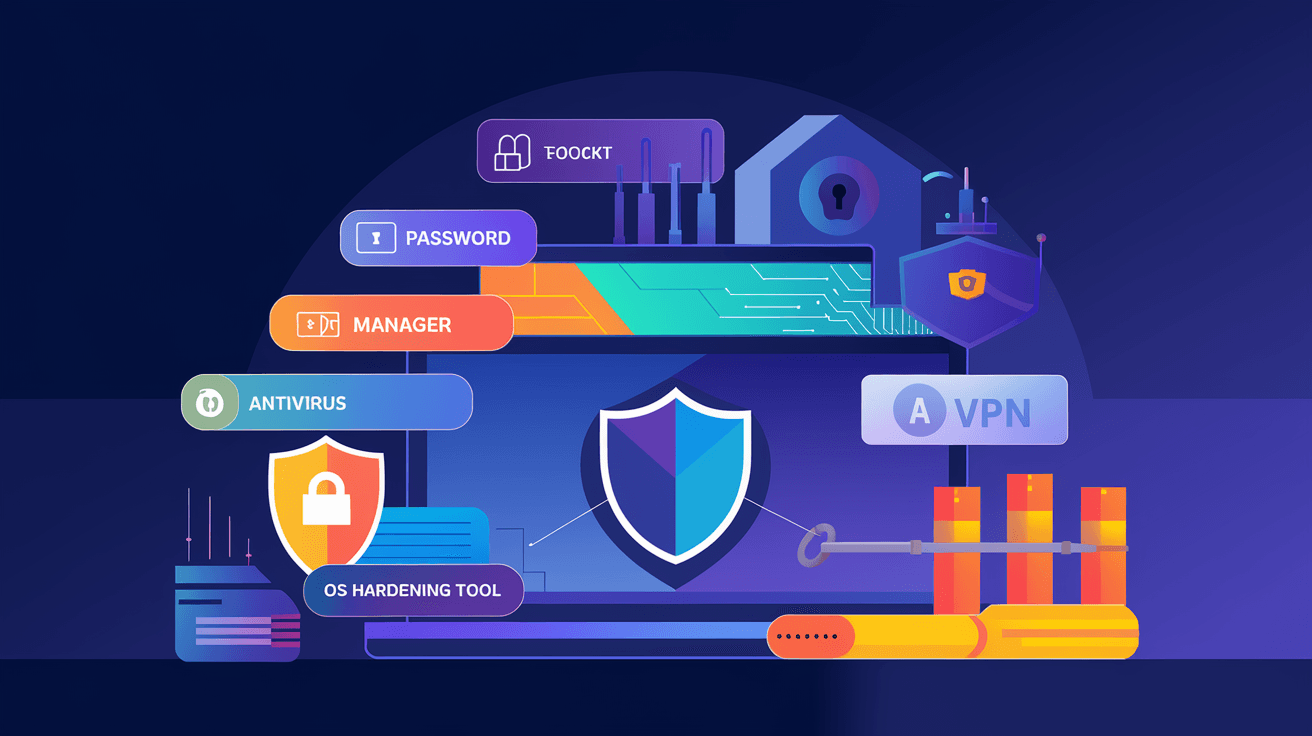
An OS Hardening Toolkit is a set of tools and scripts designed to improve the security of an operating system. It helps reduce the system’s attack surface by applying security best practices automatically or with minimal effort.
How OS Hardening Works
- Removes unnecessary services: Disables features that are not needed, reducing entry points for attackers.
- Configures security settings: Adjusts system policies to enforce stronger passwords, user permissions, and firewall rules.
- Applies patches and updates: Ensures the OS has the latest security fixes.
- Monitors system changes: Detects unauthorized modifications to critical files or settings.
These toolkits are often used by system administrators, security professionals, and even regular users who want to secure their computers.
Why Do You Need an OS Hardening Toolkit?
Operating systems come with default settings that prioritize ease of use over security. This leaves many vulnerabilities open for attackers to exploit. An OS Hardening Toolkit helps you fix these weaknesses quickly.
Benefits of Using an OS Hardening Toolkit
- Saves time: Automates complex security configurations.
- Reduces human error: Ensures consistent application of security policies.
- Improves compliance: Helps meet industry standards like CIS Benchmarks or NIST guidelines.
- Enhances system stability: Removes unnecessary components that can cause conflicts or crashes.
- Protects sensitive data: Limits access to critical files and services.
Without hardening, your OS is more likely to be compromised by malware, ransomware, or unauthorized users.
Common Features of OS Hardening Toolkits
Most OS Hardening Toolkits share similar features to secure your system effectively. Here are some common ones:
1. Security Baseline Configuration
- Applies recommended security settings based on industry standards.
- Examples include password policies, account lockout thresholds, and audit logging.
2. Service and Port Management
- Identifies and disables unused services.
- Closes unnecessary network ports to prevent external attacks.
3. Patch Management
- Checks for missing security patches.
- Automates the installation of updates to keep the OS current.
4. File Integrity Monitoring
- Watches critical system files for unauthorized changes.
- Alerts administrators if suspicious activity is detected.
5. User and Permission Controls
- Enforces least privilege principles.
- Manages user roles and access rights carefully.
6. Firewall and Network Security
- Configures firewall rules to block unwanted traffic.
- Sets up intrusion detection or prevention systems.
Popular OS Hardening Toolkits You Can Use
There are several well-known OS Hardening Toolkits available for different operating systems. Here are some examples:
| Toolkit Name | Supported OS | Key Features |
| Lynis | Linux, macOS, BSD | Auditing, compliance checks, hardening |
| Microsoft Security Compliance Toolkit | Windows | Security baselines, group policy templates |
| OpenSCAP | Linux | Compliance scanning, vulnerability detection |
| CIS-CAT | Multiple OS | Benchmark assessments, automated reports |
| Bastille Linux | Linux | Interactive hardening scripts |
Each toolkit has its strengths, so choose one based on your OS and security needs.
How to Use an OS Hardening Toolkit Effectively
Using an OS Hardening Toolkit is not just about running a tool once. It requires planning and ongoing effort.
Steps to Harden Your OS
- Assess your current system: Use the toolkit to scan your OS and identify vulnerabilities.
- Review recommendations: Understand what changes the toolkit suggests.
- Backup your system: Always create a backup before making major changes.
- Apply hardening measures: Use the toolkit to implement security settings.
- Test your system: Verify that applications and services still work correctly.
- Monitor continuously: Regularly scan your system to detect new risks.
- Update regularly: Keep your OS and toolkit up to date with patches and new features.
Tips for Best Results
- Customize hardening based on your environment; not all settings fit every use case.
- Document changes for future reference and audits.
- Combine hardening with other security measures like antivirus and encryption.
Challenges and Considerations
While OS Hardening Toolkits are powerful, there are some challenges to keep in mind.
Potential Issues
- Compatibility problems: Some hardening settings may break legacy applications.
- Complexity: Beginners might find it hard to understand all recommendations.
- False positives: Tools may flag safe configurations as risky.
- Maintenance: Hardening is not a one-time job; it requires ongoing attention.
How to Overcome These Challenges
- Test changes in a controlled environment before applying to production.
- Seek expert advice if unsure about specific settings.
- Use toolkits that provide clear documentation and support.
- Combine automated tools with manual reviews for best security.
The Future of OS Hardening Toolkits
As cyber threats evolve, OS Hardening Toolkits are becoming smarter and more integrated.
Emerging Trends
- AI-powered analysis: Toolkits use artificial intelligence to detect complex threats.
- Cloud integration: Hardening tools now support cloud-based OS environments.
- Automated remediation: Some tools can fix vulnerabilities automatically without user input.
- Compliance automation: Better reporting features help organizations meet regulatory requirements faster.
These advancements make OS hardening easier and more effective for everyone.
Conclusion
An OS Hardening Toolkit is a valuable resource to protect your operating system from cyber threats. It automates the process of securing your system by applying best practices, disabling unnecessary features, and monitoring for risks. Using such a toolkit saves time and reduces errors, helping you maintain a safer computing environment.
Remember, hardening your OS is an ongoing process. Regularly scan, update, and adjust your security settings to stay ahead of attackers. By choosing the right toolkit and following best practices, you can significantly improve your system’s security and protect your data from harm.
FAQs
What is the main purpose of an OS Hardening Toolkit?
Its main purpose is to improve the security of an operating system by applying best practices, disabling unnecessary services, and monitoring for vulnerabilities.
Can OS Hardening Toolkits work on all operating systems?
Most toolkits support popular OS like Windows, Linux, and macOS, but some are specific to certain platforms. Choose one that fits your OS.
Is OS hardening a one-time process?
No, OS hardening requires continuous monitoring, updates, and adjustments to keep up with new threats and system changes.
Will OS hardening affect system performance?
Properly done hardening usually improves stability and security without harming performance, but some settings might need tuning to avoid issues.
Are OS Hardening Toolkits suitable for beginners?
Some toolkits are user-friendly, but beginners should start with tools that offer clear guidance or seek expert help to avoid misconfigurations.




