
What is Non-Disclosure Agreement (NDA)
Introduction
When you share sensitive information with someone, you want to be sure it stays private. That’s where a Non-Disclosure Agreement, or NDA, comes in. NDAs are legal contracts that protect your secrets by making sure the other person keeps your information confidential.
In this article, I’ll explain what an NDA is, how it works, and why it’s important. Whether you’re a business owner, an employee, or just curious, understanding NDAs can help you protect your ideas and information better.
What is a Non-Disclosure Agreement (NDA)?
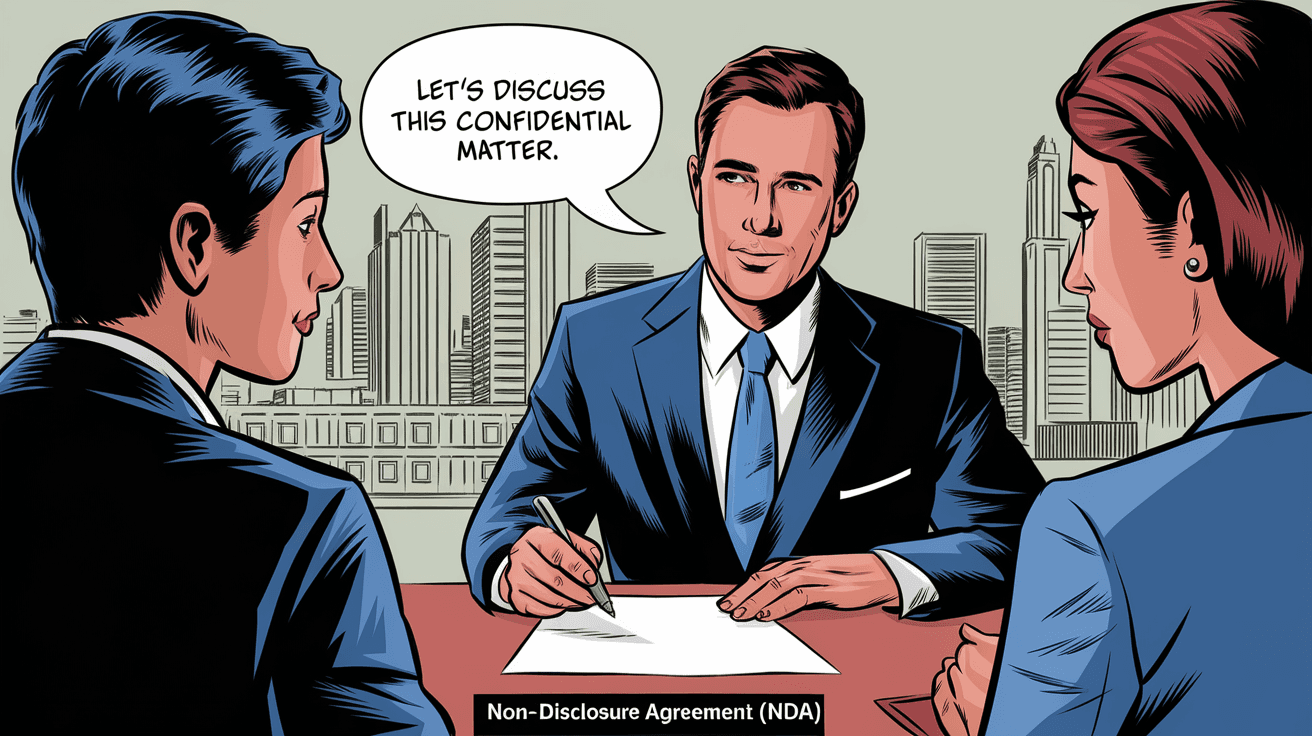
A Non-Disclosure Agreement (NDA) is a legal contract between two or more parties. It sets the rules about sharing confidential information. When you sign an NDA, you promise not to reveal or use the information for anything other than what the agreement allows.
NDAs are common in business, especially when companies share sensitive data like trade secrets, product plans, or client lists. They help protect valuable information from being leaked or stolen.
Key Features of an NDA
- Confidential Information: Defines what information is protected.
- Obligations: Explains what the receiving party can and cannot do.
- Duration: States how long the agreement lasts.
- Consequences: Details penalties for breaking the agreement.
Why Are NDAs Important?
NDAs are crucial because they protect your ideas and business secrets. Without an NDA, anyone you share information with could use it without your permission or share it with others.
Here’s why NDAs matter:
- Protect Business Ideas: Prevent competitors from copying your plans.
- Build Trust: Show partners and employees you take confidentiality seriously.
- Legal Protection: Give you a way to take action if someone leaks information.
- Encourage Open Communication: Let you share ideas freely, knowing they’re protected.
Types of NDAs
There are different types of NDAs depending on the situation. Knowing which one to use helps you protect your information better.
Unilateral NDA
This is the most common type. One party shares confidential information, and the other agrees to keep it secret. For example, a company shares product details with a contractor.
Mutual NDA
Both parties share confidential information and agree to keep it secret. This is common when two businesses explore a partnership or joint venture.
Multilateral NDA
Involves three or more parties. Everyone agrees to protect shared information. This is useful in complex projects with multiple collaborators.
What Does an NDA Usually Include?
An NDA has several important parts that explain how the agreement works.
Definition of Confidential Information
This section clearly states what information is confidential. It can include:
- Business plans
- Financial data
- Customer lists
- Technical details
- Marketing strategies
Obligations of the Receiving Party
This part explains what the person receiving the information must do, such as:
- Keep information secret
- Use it only for agreed purposes
- Limit access to authorized people
Time Period
NDAs specify how long the confidentiality lasts. It can be:
- A fixed number of years (e.g., 3 or 5 years)
- Until the information becomes public
- Indefinitely, for very sensitive data
Exclusions
Some information might not be covered, like:
- Information already public
- Information received legally from others
- Information developed independently
Consequences of Breach
This section explains what happens if someone breaks the NDA. It may include:
- Financial penalties
- Injunctions (court orders to stop sharing)
- Legal action for damages
When Should You Use an NDA?
You should consider using an NDA whenever you share sensitive information with others. Here are some common scenarios:
- Hiring Employees or Contractors: Protect your trade secrets and client data.
- Business Partnerships: Share plans without risking leaks.
- Investor Meetings: Keep your financials and strategies confidential.
- Product Development: Protect new ideas and inventions.
- Mergers and Acquisitions: Safeguard sensitive company information.
Using an NDA helps you feel confident sharing important information without fear.
How to Create an Effective NDA
Creating a good NDA is not complicated, but it needs to be clear and specific. Here’s how you can make one:
- Identify the Parties: Clearly name who is involved.
- Define Confidential Information: Be specific about what’s protected.
- Set Clear Obligations: Explain what the receiving party can and cannot do.
- Specify the Duration: Decide how long the NDA lasts.
- Include Exclusions: Clarify what’s not confidential.
- Outline Consequences: State penalties for breaches.
- Get Legal Advice: Have a lawyer review it to ensure it’s enforceable.
Many online templates are available, but customizing your NDA to fit your needs is best.
Common Misconceptions About NDAs
Many people misunderstand NDAs. Let’s clear up some common myths:
- NDAs Are Only for Big Companies: Small businesses and individuals also use NDAs.
- NDAs Guarantee Absolute Secrecy: They help protect information but don’t stop all leaks.
- You Can Use an NDA Anytime: NDAs must be reasonable and legal to be valid.
- NDAs Are Complicated: Simple NDAs can be easy to create and understand.
Knowing the facts helps you use NDAs wisely.
What Happens if an NDA is Broken?
If someone breaks an NDA, the injured party can take legal action. The exact consequences depend on the agreement and local laws.
Possible Outcomes Include:
- Lawsuits: Seeking damages for losses caused by the breach.
- Injunctions: Courts may order the person to stop sharing information.
- Settlement: Parties may agree on compensation without going to court.
Enforcing an NDA can be costly and time-consuming, so prevention is better than cure.
NDA vs. Other Agreements
It’s helpful to know how NDAs differ from other contracts:
| Agreement Type | Purpose | Confidentiality Focus |
| NDA | Protects confidential info | Yes |
| Non-Compete Agreement | Limits competition after employment | Sometimes overlaps |
| Employment Contract | Defines job terms and conditions | May include confidentiality clauses |
| Licensing Agreement | Grants rights to use property | May include confidentiality |
NDAs focus specifically on keeping information secret.
Tips for Signing an NDA
Before you sign an NDA, keep these tips in mind:
- Read Carefully: Understand what you’re agreeing to.
- Ask Questions: Clarify any unclear terms.
- Negotiate Terms: You can ask to change unreasonable parts.
- Keep a Copy: Save the signed document for your records.
- Follow the Rules: Respect the agreement to avoid legal trouble.
Being cautious helps protect your rights.
Conclusion
Non-Disclosure Agreements are powerful tools to protect your confidential information. Whether you’re sharing business secrets, product ideas, or financial data, an NDA helps keep your information safe. It builds trust and provides legal protection if someone breaks the rules.
By understanding what an NDA is and how to use it, you can confidently share sensitive information without fear. Remember to create clear, specific agreements and seek legal advice when needed. NDAs are simple but effective ways to safeguard your valuable information.
FAQs
What information can be protected by an NDA?
An NDA can protect business plans, financial data, customer lists, technical details, marketing strategies, and any other sensitive information you want to keep private.
How long does an NDA last?
The duration varies. It can be a set number of years, until the information becomes public, or indefinitely for very sensitive data.
Can an NDA be broken?
Yes, but breaking an NDA can lead to legal consequences like lawsuits, financial penalties, or court orders to stop sharing information.
Do I need a lawyer to create an NDA?
While you can use templates, having a lawyer review your NDA ensures it’s clear, enforceable, and tailored to your needs.
Are NDAs only for businesses?
No, individuals, freelancers, and small businesses also use NDAs to protect their confidential information in various situations.




