
What is NIST Cybersecurity Framework Implementation
Introduction
You might have heard about the NIST Cybersecurity Framework but wondered what it really means to implement it. If you're looking to strengthen your organization's cybersecurity, understanding this framework is a great place to start. It’s designed to help businesses manage and reduce cybersecurity risks in a clear, organized way.
In this article, I’ll walk you through what NIST Cybersecurity Framework Implementation involves, why it matters, and how you can apply it to protect your digital assets. Whether you’re new to cybersecurity or looking to improve your current practices, this guide will give you practical insights.
What is the NIST Cybersecurity Framework?
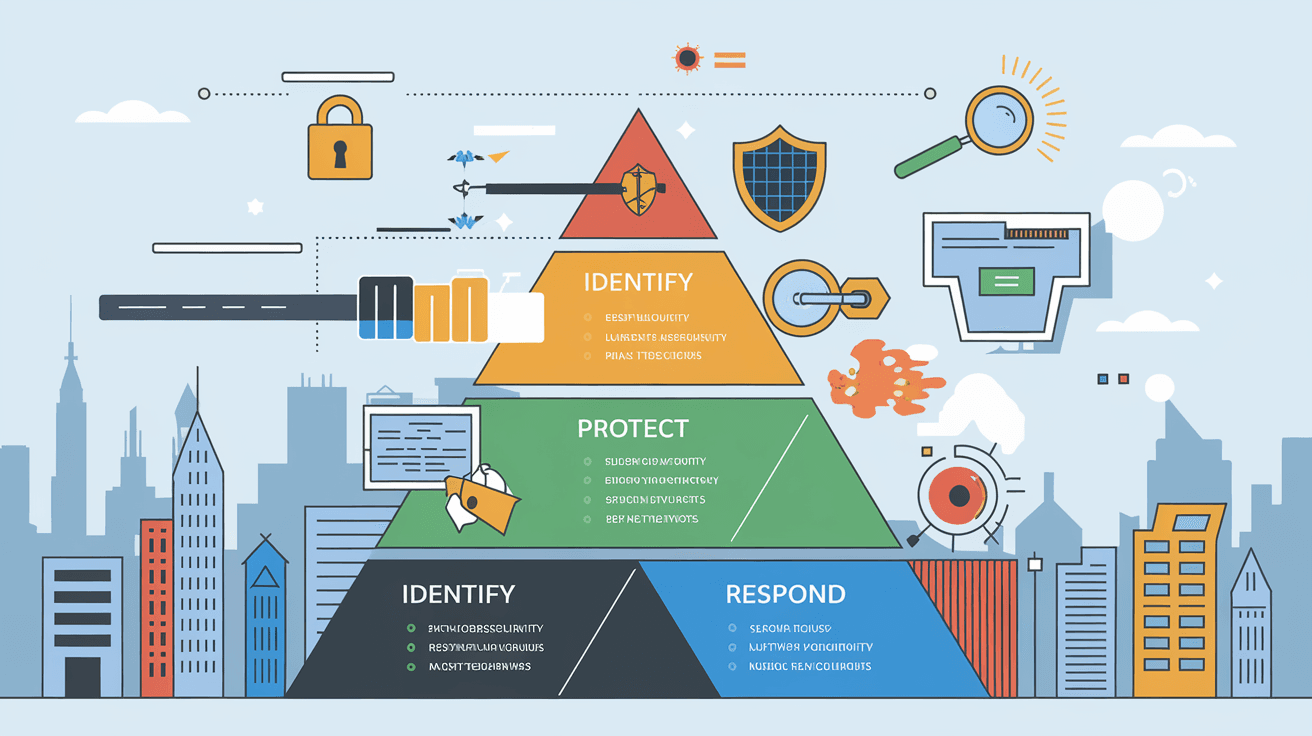
The NIST Cybersecurity Framework (CSF) is a set of guidelines created by the National Institute of Standards and Technology. It helps organizations identify, protect, detect, respond to, and recover from cybersecurity threats. The framework is flexible and can be used by businesses of all sizes and industries.
Here’s what makes it stand out:
- Risk-based approach: Focuses on managing cybersecurity risks based on your organization's priorities.
- Five core functions: Identify, Protect, Detect, Respond, and Recover.
- Customizable: You can tailor it to fit your specific needs and resources.
- Widely recognized: Used by government agencies, private companies, and international organizations.
The framework doesn’t tell you exactly what tools to use but guides you on what to do to improve your cybersecurity posture.
Why Implement the NIST Cybersecurity Framework?
Implementing the NIST Cybersecurity Framework offers several benefits that can help your organization stay secure and compliant.
- Improves risk management: Helps you understand and prioritize cybersecurity risks.
- Enhances communication: Provides a common language for cybersecurity across your organization.
- Supports compliance: Aligns with regulations like HIPAA, FISMA, and others.
- Builds trust: Shows customers and partners that you take cybersecurity seriously.
- Increases resilience: Prepares your organization to respond and recover from cyber incidents.
By following the framework, you create a structured approach to cybersecurity that evolves with new threats and technologies.
How to Implement the NIST Cybersecurity Framework
Implementing the NIST Cybersecurity Framework involves several steps. You don’t have to do everything at once, but following a clear process helps you make steady progress.
1. Prioritize and Scope
Start by defining what parts of your organization or systems you want to protect. This step helps you focus your efforts where they matter most.
- Identify critical assets and data.
- Understand your business environment.
- Set goals for cybersecurity based on risk tolerance.
2. Orient
Gather information about your current cybersecurity posture. This includes:
- Reviewing existing policies and controls.
- Identifying threats and vulnerabilities.
- Understanding legal and regulatory requirements.
3. Create a Current Profile
Document your current cybersecurity activities and how they align with the framework’s core functions. This profile shows where you stand now.
4. Conduct a Risk Assessment
Analyze risks to your critical assets. This helps you understand potential impacts and likelihoods of cyber threats.
- Use tools or frameworks to assess vulnerabilities.
- Prioritize risks based on their potential damage.
5. Create a Target Profile
Define where you want your cybersecurity program to be in the future. This target profile reflects your desired state of security.
6. Determine, Analyze, and Prioritize Gaps
Compare your current profile with your target profile. Identify gaps and prioritize which areas need improvement.
7. Implement Action Plan
Develop and execute a plan to address the gaps. This may include:
- Updating policies.
- Deploying new security technologies.
- Training employees.
- Improving incident response plans.
8. Monitor and Review
Cybersecurity is an ongoing process. Regularly monitor your systems and review your framework implementation to adapt to new threats.
The Five Core Functions Explained
Understanding the five core functions of the NIST Cybersecurity Framework helps you see how the pieces fit together.
Identify
This function is about knowing what you need to protect and understanding your risks.
- Asset management: Know your hardware, software, and data.
- Business environment: Understand your mission and stakeholders.
- Risk assessment: Identify threats and vulnerabilities.
Protect
Focuses on safeguards to limit or contain the impact of a cybersecurity event.
- Access control: Manage who can access your systems.
- Awareness and training: Educate employees about cybersecurity.
- Data security: Protect data through encryption and backups.
Detect
Involves identifying cybersecurity events quickly.
- Continuous monitoring: Watch for unusual activity.
- Detection processes: Use tools and procedures to spot threats.
Respond
Details how to handle detected cybersecurity incidents.
- Response planning: Have a clear plan for incidents.
- Communications: Inform stakeholders and authorities.
- Analysis: Understand the incident’s cause and impact.
Recover
Focuses on restoring normal operations after an incident.
- Recovery planning: Prepare to restore systems.
- Improvements: Learn from incidents to prevent future problems.
Common Challenges in Implementation
While the NIST Cybersecurity Framework is helpful, organizations often face challenges when implementing it.
- Resource constraints: Smaller businesses may lack staff or budget.
- Complexity: Understanding all parts of the framework can be overwhelming.
- Changing threats: Cyber threats evolve quickly, requiring constant updates.
- Cultural resistance: Employees may resist new policies or training.
- Integration: Aligning the framework with existing processes can be tricky.
To overcome these, start small, focus on high-risk areas, and involve leadership to support the effort.
Tools and Resources to Help You Implement
Several tools and resources can make implementing the NIST Cybersecurity Framework easier.
- NIST’s official website: Offers guides, templates, and case studies.
- Cybersecurity software: Tools for risk assessment, monitoring, and incident response.
- Training programs: Online courses and certifications on cybersecurity best practices.
- Consultants: Experts who can tailor the framework to your organization.
- Community forums: Groups where you can share experiences and advice.
Using these resources can speed up your implementation and improve results.
Real-World Examples of NIST Framework Implementation
Many organizations have successfully implemented the NIST Cybersecurity Framework to improve their security.
- Healthcare providers: Use the framework to protect patient data and comply with HIPAA.
- Financial institutions: Manage risks related to fraud and data breaches.
- Manufacturing companies: Secure operational technology and intellectual property.
- Government agencies: Meet federal cybersecurity requirements and protect critical infrastructure.
These examples show the framework’s flexibility and effectiveness across different sectors.
Measuring Success in Your Implementation
To know if your implementation is working, you need to measure progress.
- Track key performance indicators (KPIs) like incident response times and number of detected threats.
- Conduct regular audits and assessments.
- Gather feedback from employees and stakeholders.
- Adjust your plans based on findings.
Measuring success helps you stay on track and continuously improve your cybersecurity.
Conclusion
Implementing the NIST Cybersecurity Framework is a smart way to protect your organization from cyber threats. It gives you a clear, flexible roadmap to manage risks and improve your security posture. By following the steps and focusing on the five core functions, you can build a strong defense against cyberattacks.
Remember, cybersecurity is not a one-time project but an ongoing effort. Use the available tools, involve your team, and keep adapting to new challenges. With the NIST Cybersecurity Framework, you’re better equipped to safeguard your business and build trust with your customers.
FAQs
What industries benefit most from the NIST Cybersecurity Framework?
The framework is versatile and benefits industries like healthcare, finance, manufacturing, and government. Any organization that wants to manage cybersecurity risks effectively can use it.
How long does it take to implement the NIST Cybersecurity Framework?
Implementation time varies based on organization size and complexity. It can take months to a year or more, but starting with high-priority areas helps you make progress faster.
Is the NIST Cybersecurity Framework mandatory?
No, it is voluntary. However, many regulations and contracts encourage or require alignment with the framework for better cybersecurity practices.
Can small businesses use the NIST Cybersecurity Framework?
Yes, the framework is scalable and can be tailored to fit small businesses’ resources and needs, helping them improve security without overwhelming complexity.
How often should I update my cybersecurity framework implementation?
You should review and update your implementation regularly, at least annually or after significant changes in your environment or threat landscape.




