
What is Network Visibility
Introduction
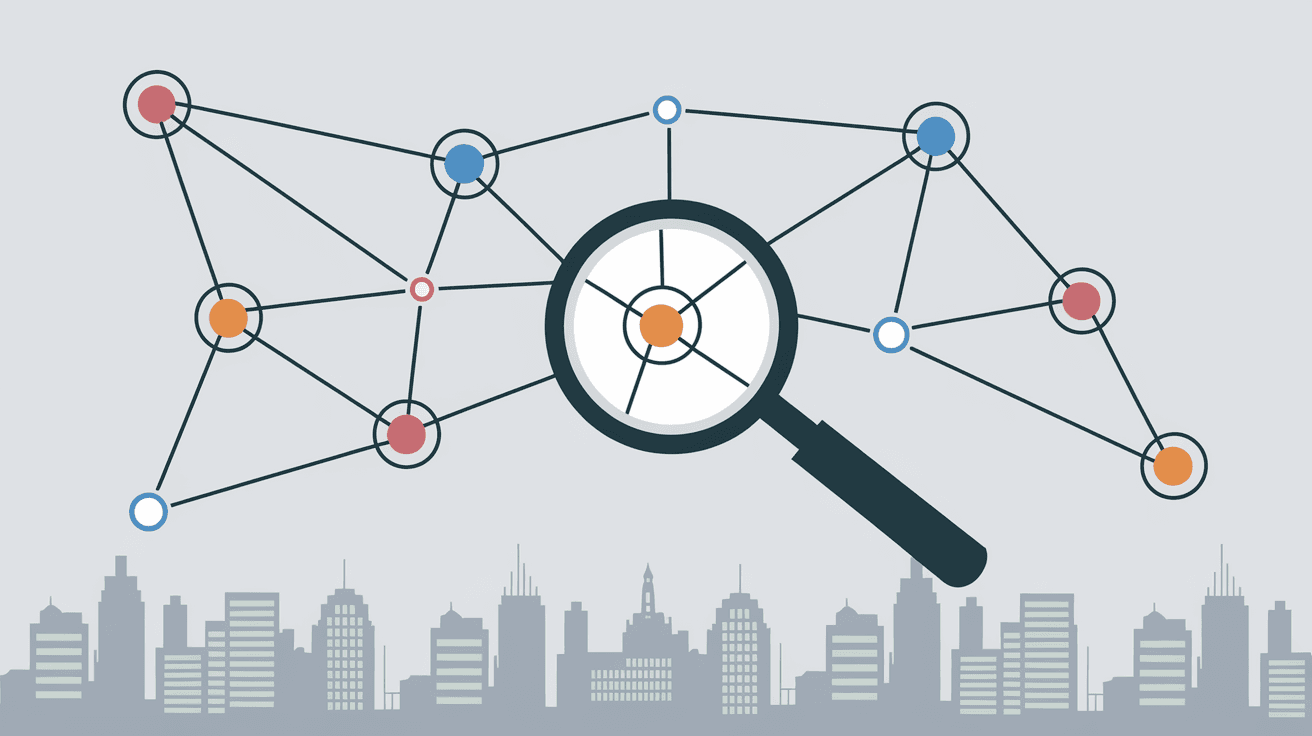
When you hear the term "network visibility," you might wonder what it really means and why it’s important for your business or IT setup. Simply put, network visibility is about seeing and understanding everything happening inside your network. It’s like having a clear window into your digital world, so you can spot problems, improve performance, and keep your data safe.
In today’s fast-paced digital environment, having good network visibility is essential. Whether you manage a small office network or a large enterprise system, knowing what’s going on inside your network helps you make smarter decisions. In this article, I’ll explain what network visibility is, why it matters, and how you can achieve it effectively.
What Is Network Visibility?
Network visibility means having a clear and detailed view of all the activities, devices, and data moving through your network. It’s about understanding the traffic flow, spotting unusual behavior, and monitoring the health of your network in real time.
Without network visibility, you’re basically flying blind. You won’t know if there’s a security breach, a device malfunction, or a slowdown affecting your users. With it, you gain insights that help you troubleshoot issues faster and optimize your network’s performance.
Key Components of Network Visibility
- Traffic Monitoring: Tracking data packets as they move through the network.
- Device Identification: Knowing which devices are connected and what they’re doing.
- Application Awareness: Understanding which applications are using the network and how much bandwidth they consume.
- Security Insights: Detecting threats and vulnerabilities by analyzing network behavior.
- Performance Metrics: Measuring latency, packet loss, and other factors affecting network quality.
Why Network Visibility Matters
You might ask, “Why should I care about network visibility?” The answer lies in the benefits it brings to your IT environment and overall business operations.
Enhances Security
Cyberattacks are becoming more sophisticated. Network visibility helps you detect suspicious activities early, such as unauthorized access or malware spreading. It allows your security team to respond quickly before damage occurs.
Improves Troubleshooting
When users complain about slow internet or dropped connections, network visibility helps you pinpoint the exact cause. Instead of guessing, you can see where the problem lies and fix it faster.
Optimizes Performance
By understanding how bandwidth is used, you can prioritize critical applications and reduce congestion. This leads to a smoother experience for everyone on the network.
Supports Compliance
Many industries require strict data protection rules. Network visibility helps you monitor and log network activity to meet these compliance standards.
How Network Visibility Works
Network visibility is achieved through a combination of tools and techniques that collect and analyze network data.
Network Monitoring Tools
These tools capture data packets and provide dashboards showing real-time network status. Examples include:
- Packet Sniffers: Capture and analyze raw data packets.
- Flow Analyzers: Summarize traffic flows between devices.
- Network Performance Monitors: Track metrics like uptime and latency.
Network Taps and SPAN Ports
To get data for analysis, network devices use:
- Network Taps: Hardware devices that copy traffic without interrupting it.
- SPAN Ports (Switch Port Analyzer): Special switch ports that mirror traffic to monitoring tools.
Data Analysis and Visualization
Collected data is processed to identify patterns, anomalies, and trends. Visualization tools display this information in easy-to-understand charts and graphs.
Types of Network Visibility
Network visibility isn’t one-size-fits-all. Different types focus on various aspects of the network.
Physical Network Visibility
This involves monitoring the actual hardware and physical connections, such as cables, switches, and routers. It helps detect hardware failures or misconfigurations.
Virtual Network Visibility
With the rise of cloud computing and virtual machines, virtual network visibility tracks traffic inside virtual environments. It’s crucial for hybrid and cloud networks.
Application-Level Visibility
This type focuses on the data generated by specific applications. It helps understand how apps perform and how they impact network resources.
User-Level Visibility
Tracking user behavior on the network helps identify insider threats and enforce access policies.
Benefits of Network Visibility for Businesses
Network visibility offers many advantages that directly impact business success.
- Faster Incident Response: Quickly detect and respond to network issues or attacks.
- Reduced Downtime: Minimize disruptions by identifying problems early.
- Better Resource Allocation: Allocate bandwidth and hardware based on actual usage.
- Enhanced User Experience: Ensure smooth and reliable network access.
- Cost Savings: Avoid expensive outages and optimize infrastructure investments.
Challenges in Achieving Network Visibility
While network visibility is valuable, it’s not always easy to achieve.
Complex Network Environments
Modern networks include cloud services, mobile devices, and IoT gadgets. Monitoring all these components can be complicated.
Data Overload
Networks generate massive amounts of data. Filtering out noise and focusing on relevant information requires advanced tools.
Encryption
Encrypted traffic protects privacy but makes it harder to inspect data for threats.
Skill Gaps
Interpreting network data needs skilled professionals, which can be a challenge for some organizations.
Best Practices for Improving Network Visibility
You can take several steps to enhance your network visibility effectively.
- Use Comprehensive Monitoring Tools: Choose solutions that cover physical, virtual, and cloud environments.
- Implement Network Segmentation: Divide your network into smaller parts to isolate issues.
- Leverage AI and Machine Learning: Use smart analytics to detect anomalies automatically.
- Regularly Update Security Policies: Keep your rules current to address new threats.
- Train Your Team: Ensure your IT staff understands how to use visibility tools and interpret data.
Network Visibility and Security: A Strong Partnership
Network visibility is a cornerstone of modern cybersecurity strategies. It helps identify threats like ransomware, phishing, and insider attacks by monitoring unusual network behavior.
How Visibility Supports Security
- Threat Detection: Spot malware communication or data exfiltration.
- Incident Investigation: Trace attack paths and affected systems.
- Compliance Auditing: Provide evidence of security controls and monitoring.
Tools and Technologies for Network Visibility
Several popular tools help organizations gain network visibility.
| Tool Name | Purpose | Key Features |
| Wireshark | Packet analysis | Deep packet inspection, open-source |
| SolarWinds NPM | Network performance monitoring | Real-time alerts, customizable dashboards |
| Cisco Stealthwatch | Security analytics | Behavioral modeling, threat detection |
| NetScout | Network traffic analysis | High-speed packet capture, flow analysis |
| ExtraHop | Cloud and hybrid visibility | AI-driven analytics, application insights |
Choosing the right tool depends on your network size, complexity, and security needs.
Future Trends in Network Visibility
As networks evolve, so do visibility solutions.
- Increased AI Integration: More automation in detecting and responding to issues.
- Cloud-Native Visibility: Tools designed specifically for cloud environments.
- Enhanced Encryption Inspection: New methods to analyze encrypted traffic without compromising privacy.
- IoT Monitoring: Better visibility into connected devices and their behavior.
Staying updated with these trends will help you maintain strong network visibility.
Conclusion
Network visibility is essential for anyone managing or relying on digital networks. It gives you the power to see what’s happening inside your network, helping you improve security, troubleshoot problems, and optimize performance. Without it, you risk blind spots that can lead to costly downtime or security breaches.
By understanding what network visibility is and how to achieve it, you can protect your network and ensure it runs smoothly. Whether you’re a small business or a large enterprise, investing in network visibility tools and practices is a smart move for your IT health and overall success.
FAQs
What is the main goal of network visibility?
The main goal is to provide clear insight into network activities, helping detect issues, improve performance, and enhance security by monitoring traffic, devices, and applications.
How does network visibility improve security?
It helps identify unusual behavior, detect threats early, and supports faster incident response, reducing the risk of data breaches and cyberattacks.
Can network visibility work in cloud environments?
Yes, modern network visibility tools support cloud and hybrid environments, offering insights into virtual networks and cloud traffic.
What challenges affect network visibility?
Complex networks, data overload, encrypted traffic, and lack of skilled personnel can make achieving full network visibility difficult.
Are there free tools for network visibility?
Yes, tools like Wireshark offer free packet analysis, but larger networks often require paid solutions for comprehensive visibility.




